




BOPET – biaxially oriented PET films
The world of modern plastic films is significantly shaped by a special technology: the biaxial orientation of polyethylene terephthalate. BOPET films have established themselves as an indispensable material in numerous industries in recent decades.
From medical applications to electrical insulation and high-precision applications in electronics – the unique properties of these polyester films make them one of the most versatile plastic films on the market.
The key to the success of BOPET films lies in their sophisticated manufacturing process, in which the molecular structure of the PET material is optimized by targeted stretching in both directions.
This biaxial orientation gives the films exceptional mechanical, physical and optical properties, making them suitable for applications that place the highest demands on tensile strength, transparency and temperature resistance.
What exactly is BOPET film?
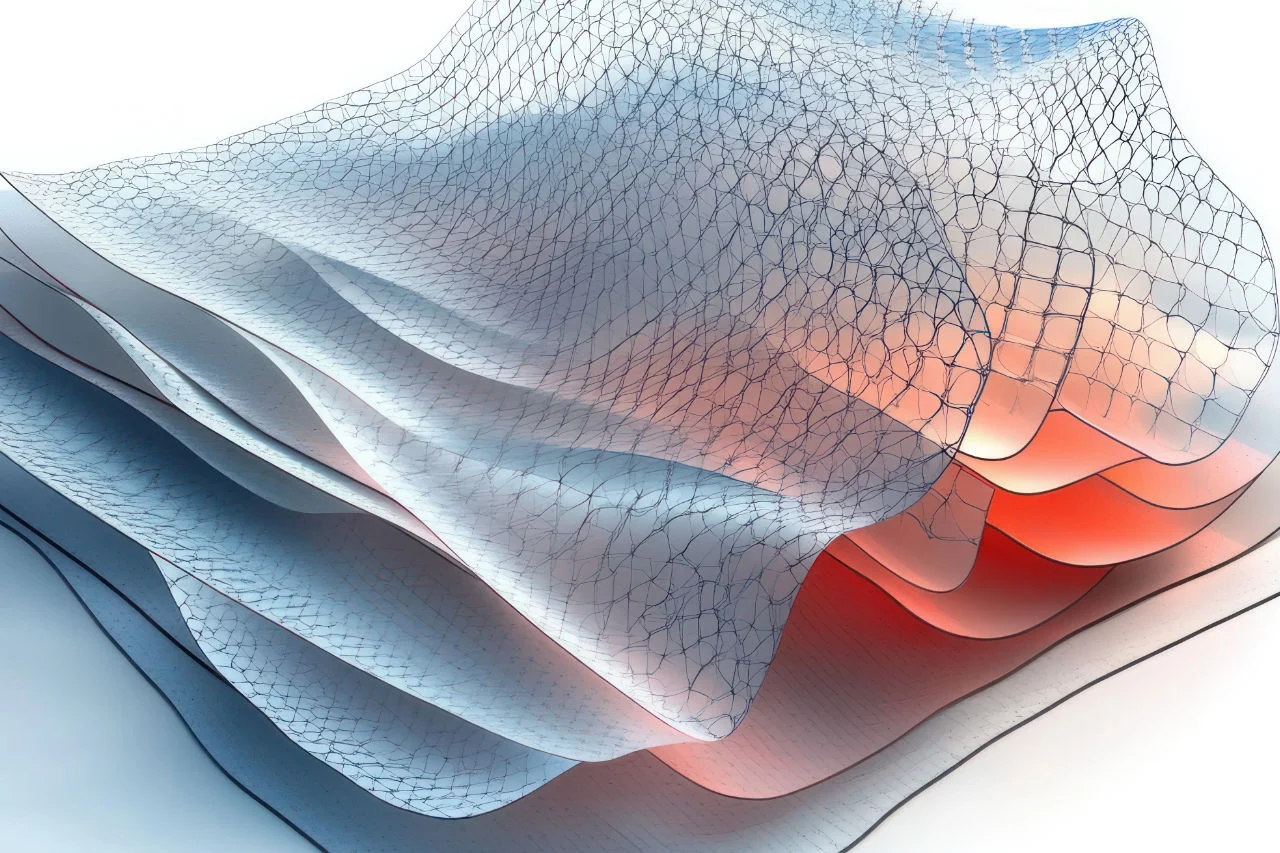
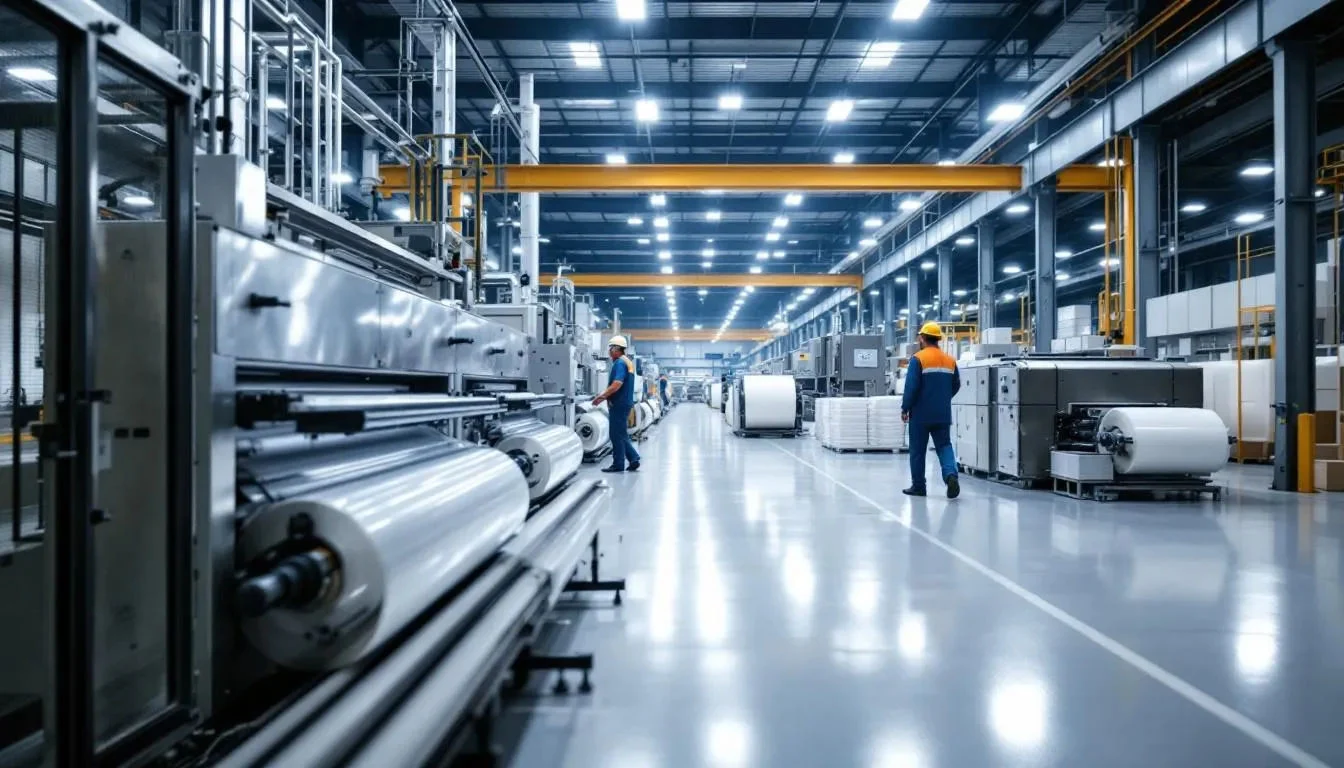
BOPET stands for “Biaxially Oriented Polyethyleneterephthalate.” This special polyester film is created through a complex manufacturing process that begins with flat film extrusion and is completed by the characteristic biaxial orientation.
The manufacturing process starts with high-polymer granules, which must first be subjected to precise drying. The water content is controlled to extremely low values (0.005 percent) in order to prevent loss of quality due to oxidation.
Subsequently, the material is melted at temperatures between 270 and 290 degrees Celsius and formed into a film by extrusion. During stretching, the film is first stretched longitudinally (machine direction) and then transversely.
The stretching ratios are typically 3:1 to 4:1 in each direction (the ratio is not always the same in both directions), which aligns the polymer chains parallel to the film plane.
This means, for example, that a so-called pre-film with a width of 1,000 mm is stretched to a width of 3,000 mm. This molecular orientation is responsible for the exceptional properties of the finished BOPET film.
Advantages of BOPET films
BOPET film production creates a material with very good properties that distinguish it from other plastic films. The high tensile strength and tear resistance result directly from the biaxial orientation of the polymer chains.
With a modulus of elasticity of approximately 4 GPa, BOPET exhibits exceptional stiffness with high flexibility.
Mechanical properties:
- Excellent tensile strength in both directions
- High tear strength and toughness
- Superior dimensional stability and flatness
The optical properties of BOPET films are particularly remarkable. Clear films offer excellent transparency and light transmission, while white films are characterized by an extremely high degree of whiteness and, if necessary, opacity.
This combination enables the use of polyester films in more applications than any other film.
Thermal and chemical resistance: The temperature resistance of BOPET films extends from -70 °C to +150 °C, which qualifies them for a wide range of applications.
The cold resistance is particularly valued in the frozen food packaging. At the same time, these polyester films exhibit excellent chemical resistance to solvents, acids and many other chemicals.
The dimensional stability of BOPET is another decisive advantage. The films have low shrinkage values and retain their shape even under high thermal loads. This stability is particularly important in precise applications such as the electrical industry.
Versatile applications of BOPET films
Thanks to their outstanding mechanical and optical properties, BOPET films offer a wide range of possible applications. The films are available in various designs, including transparent, highly transparent, white and matte versions.
BOPET film types
In addition, some manufacturers also offer colored BOPET films. The thickness spectrum ranges from ultra-thin 0.9 µm to robust 500 µm, which makes them ideal for a wide variety of industries and applications.
Through special pretreatments and finishing processes, BOPET films can be individually tailored to the requirements of the respective application. These include printing, coating, metallization and other finishes such as corona treatment to improve surface adhesion.
The versatile film types enable optimal adaptation to various production processes and end products.
Sectors and industrial applications for BOPET films
BOPET films are used in numerous industries, particularly in areas where high demands are placed on stability, transparency and temperature resistance:
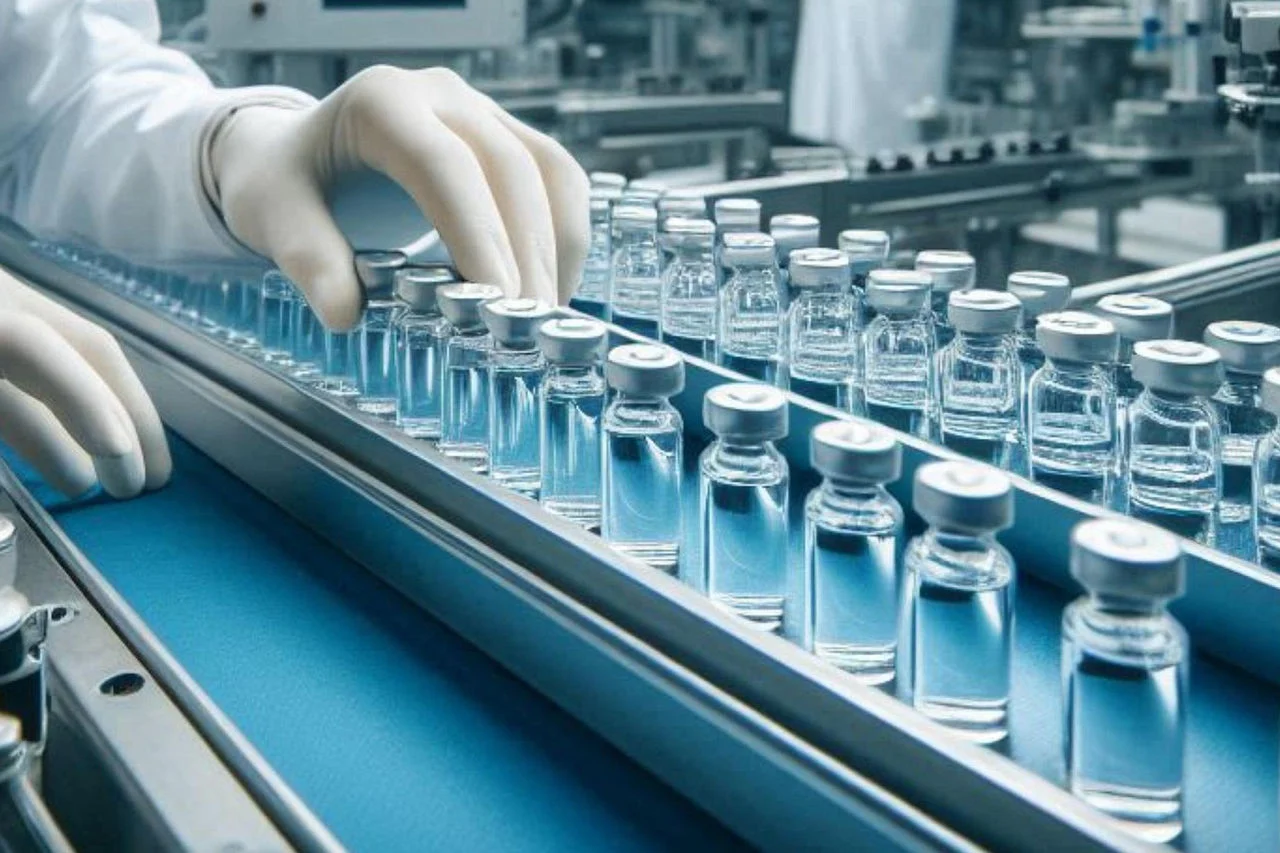
- Medical and pharmaceutical industry: Use in diagnostics, sterile packaging and medical applications where hygiene and material compatibility are critical.
- Electrical industry: Use as insulating films in transformers, motors, cables and in printed circuits, OLED technologies, flat screens and capacitors. The excellent electrical insulation and temperature resistance make BOPET films the ideal material for these applications.
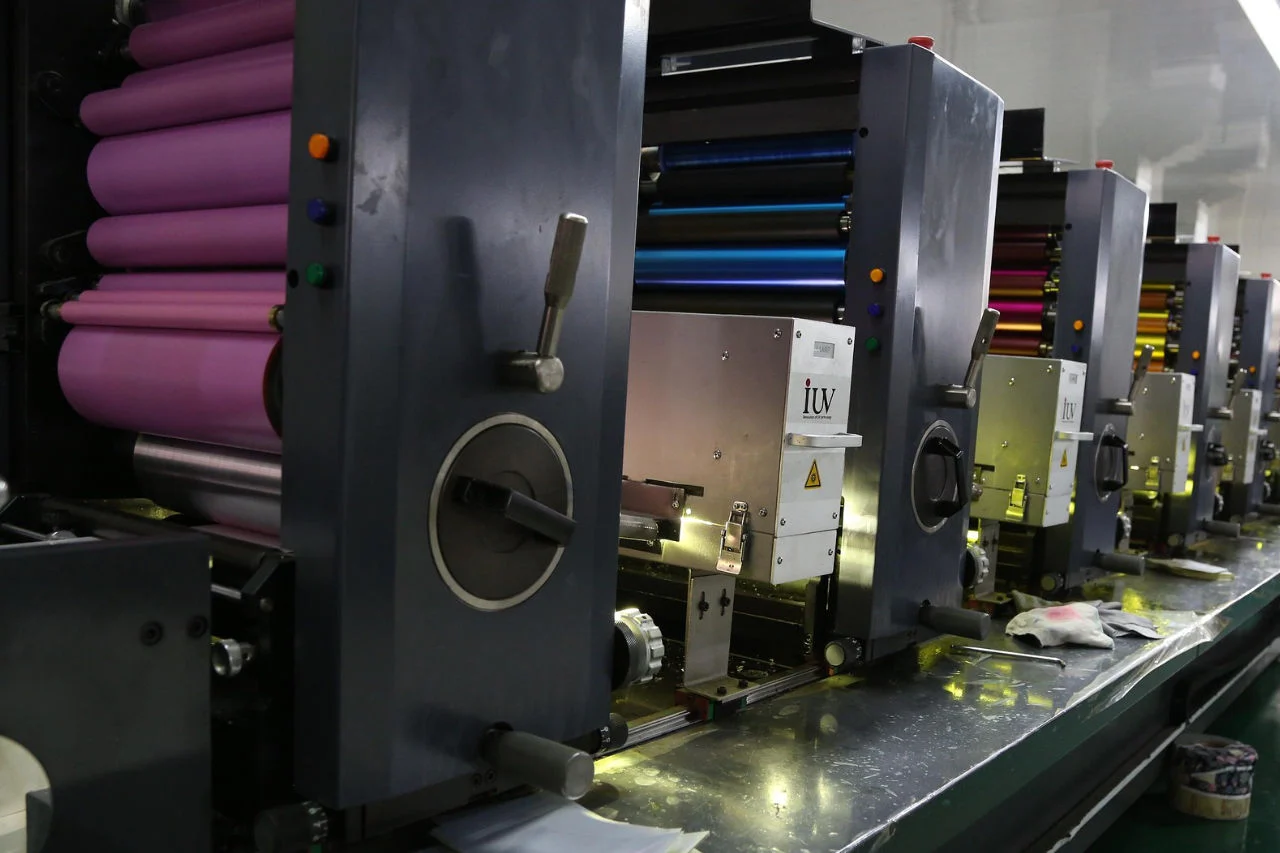
- Printing industry: BOPET serves as a dimensionally stable printing medium for flexographic printing, offset printing and screen printing. The films guarantee high abrasion resistance and excellent surface quality, which makes them the preferred carrier films for high-quality printed products.
- Furniture industry: Use in surface finishing, for example as protective film or decorative film, thanks to its scratch-resistant and durable surface.
- Packaging industry: Use for flexible packaging that is cold and heat-resistant, as well as for sterile packaging of food and technical products. The combination of high transparency, good barrier effect and low water absorption makes BOPET films particularly suitable for demanding packaging applications.
Support with film selection and processing
Pütz Folien offers comprehensive advice and support in selecting the appropriate BOPET films for individual requirements. Aspects such as film thickness, surface finish, pre-treatment (e.g. corona), printability and further processing are taken into account in order to achieve optimum results in BOPET film converting.
Through the combination of high-quality polyethylene terephthalate, innovative finishing processes and tailor-made film types, BOPET films are an indispensable material in many industries and applications.
Sustainable PCR-based BOPET films
Pütz Folien is intensively dedicated to the field of PIR (Post-Industry-Recycling) as well as PCR-based BOPET films from various manufacturers and already offers a wide range of functional solutions for various applications. The focus is primarily on the PCR film variant.
Since there is no uniform standard for the production and use of PCR films, individual advice is essential, taking into account customer-specific requirements.
The available PCR-based films contain between 30% and 100% post-consumer recycling material (PCR), depending on the manufacturer and type. The range extends from standard films to special products such as white/white foamed, metallized or crystal-clear versions.
Environmental benefits and sustainability of BOPET films
PCR-based BOPET films make an important contribution to reducing the carbon footprint, as the use of recycled materials requires less energy and often enables shorter transport routes. The use of PCR material promotes the circular economy and reduces the amount of waste.
The mechanical and optical properties of PCR films are comparable to virgin PET, so there is no need to worry about any loss of performance. Due to their pure mono-material-based structure, BOPET films are particularly recycling-friendly, as they do not contain any plasticizers, heavy metals or other harmful substances.
Advantages of recycling at a glance:
- Complete recyclability of the base material
- Compatibility with industrial recycling processes
- Reduced raw material consumption
- Multiple use and reuse
Challenges:
- Necessity of separating PET waste from foreign matter (e.g. laminates, adhesives, aluminum or plastic). BOPET is often used in composite films that are combined with polyethylene or aluminum.
- Avoidance of contamination by other substrates (e.g. paper labels, PP screw caps)
- Improvement of the collection and sorting of PET films and bottles
PCR technology and circular economy
PCR films are an important step towards a sustainable future. The post-consumer proportion of 30 to 100% significantly reduces the ecological footprint and crude oil consumption. Closed material cycles make a significant contribution to conserving resources and strengthening the circular economy.
Future prospects of BO-PET film types
Further development aims at even more sustainable solutions:
- Development of bio-based BO-PET variants
- Advances in recycling technologies for higher raw material quality of the polyester film
- Optimization of production processes
- General increase in the proportion of reusable plastic waste
- (BOPET) films: Current analysis and forecast (2024-2032)
Disclaimer: The technical data, properties, and application areas mentioned on this page are based on information from our suppliers and typical empirical values. They do not represent guaranteed specifications. Production-related deviations, further developments, or changes in product properties are possible at any time. The actual suitability of a film type for a specific purpose must be checked in each individual case. Please explicitly inquire about availability and current specifications before placing an order. All information is provided without warranty.
