Film type · Substrat-Spoke
BOPET biaxially oriented polyester.
Biaxially oriented polyester film – with brands such as Hostaphan®, Lumirror®, Melinex®, Mylar® and Tenolan® – serves a wide variety of applications. The reason is its physical properties, such as high tear resistance, higher heat resistance, crystal-clear transparency and efficient processing.
Overview
What is BOPET?
BOPET film (biaxially oriented polyester film, known by brand names such as Hostaphan®, Lumirror®, Melinex®, Mylar® or Tenolan®) is produced in a multi-stage, high-precision process. The defining feature is that the film is stretched in two directions (biaxial orientation), which gives it its high tear resistance, stability and many other properties.
BOPET is used in a great many applications, from electrical insulation to labels, packaging, process aids, carrier material for organic electronics, fuel cells and much more.
The film programs offered by different manufacturers can differ significantly from one another and provide solutions for most film applications. The differences may lie in the process itself, but also in the film structure, the core and skin layers or the coating. There is a solution for every challenge, and we are happy to help you find the right film for your application.
Technical valuesProperties
Eigenschaften von BOPET.
PlatzhalterInput Vertrieb
Worauf kommt es bei BOPET in der Praxis an? Bitte im Review dieser Seite stichpunktartig notieren. Daraus entsteht der Text für diesen Abschnitt. Zahlenwerte stehen nur in der Tabelle darunter.
Technical data
Technical values, from–to.
| Property | Value | Unit |
|---|---|---|
| Density | 1.36–1.50 | g/cm³ |
| Tensile strength | 60–285 | MPa |
| Dielectric strength | 57–417 | kV/mm |
| Shrinkage | 0.0–3.7 | % |
| Thickness range | 0.9–500 | µm |
The values are ranges across all types. We select the right type for your application together with you.
We are happy to provide product-specific technical data for particular film types on request.
Variants
BOPET variants: a selection from the portfolio.
The range extends from very thin technical films to very thick film types that can even be used as components in highly complex devices.
BOPET manufacturers offer different portfolios, from transparent to crystal-clear grades, matte and super-matte surfaces, metallized films, and white and white-opaque through to black film types. In addition, chemical or other pretreatments can give surfaces a correspondingly high anchorage for inks, coatings, adhesives for lamination or technical applications. They can also provide heat sealability, peelability or special properties such as UV and hydrolysis resistance or suitability for sterilization.
Furthermore, many types provide a good barrier against the exchange of gases and humidity. In our experience, BOPET can be used in most of the fields in which films are applied.
Industries in which BOPET is typically used
Use by industry.
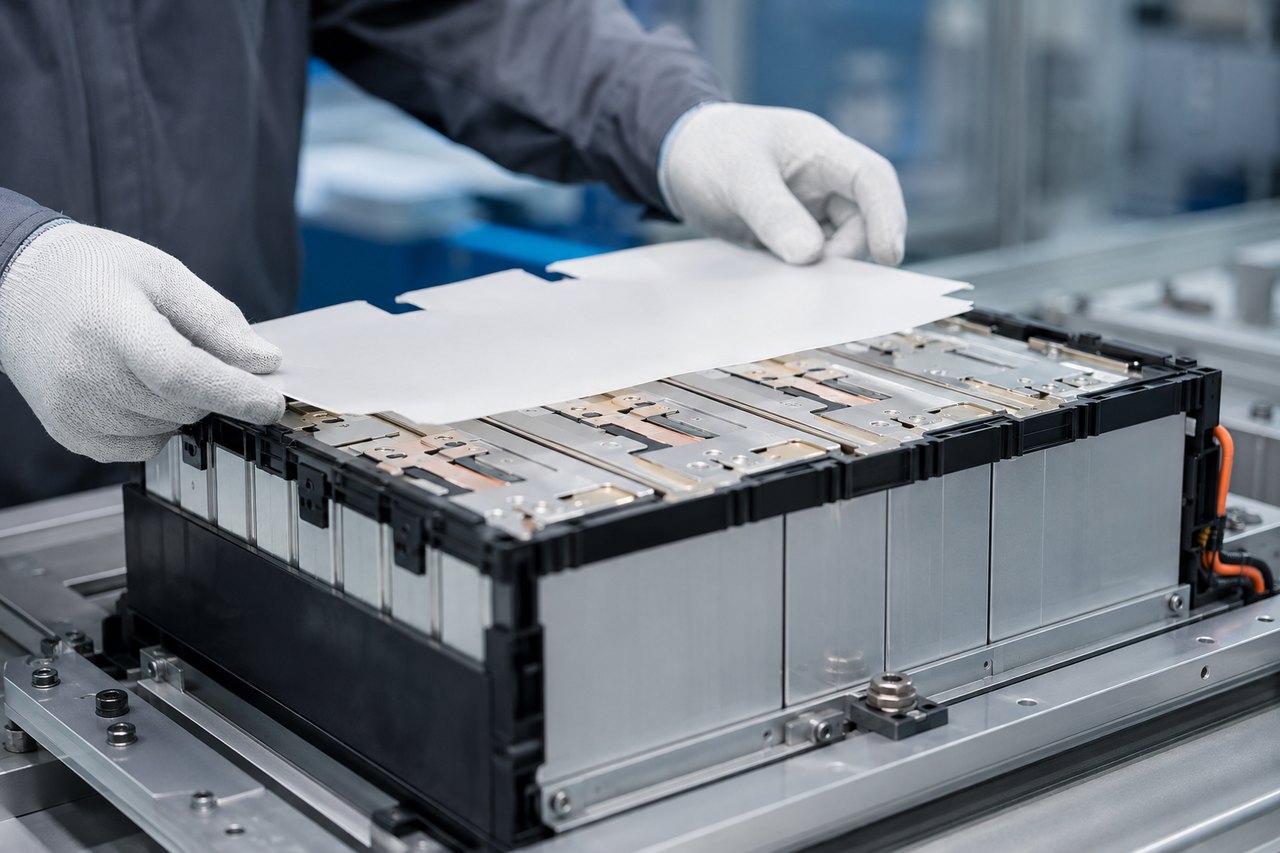
Automotive Industry
View industry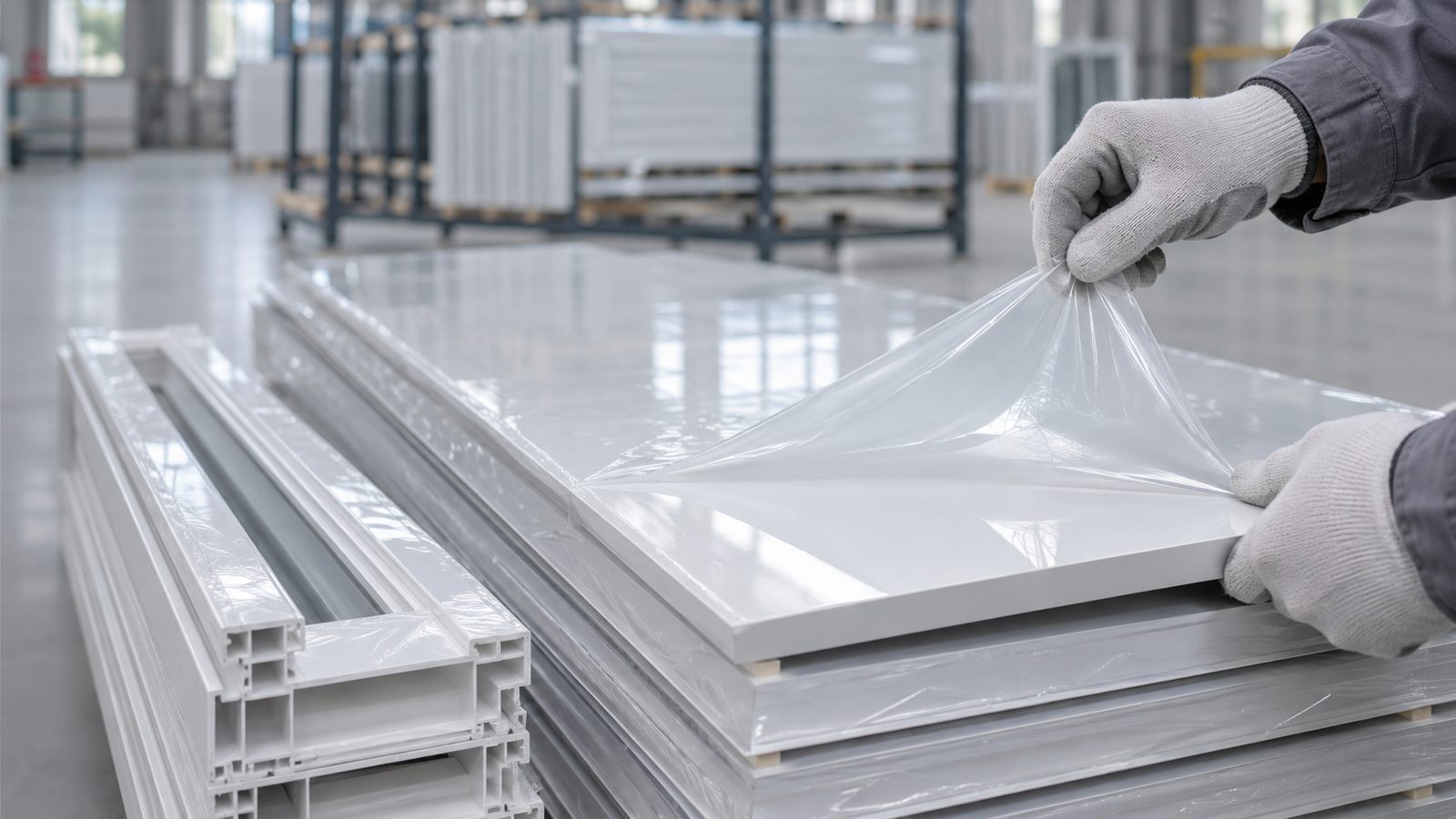
Construction and Building Materials
View industry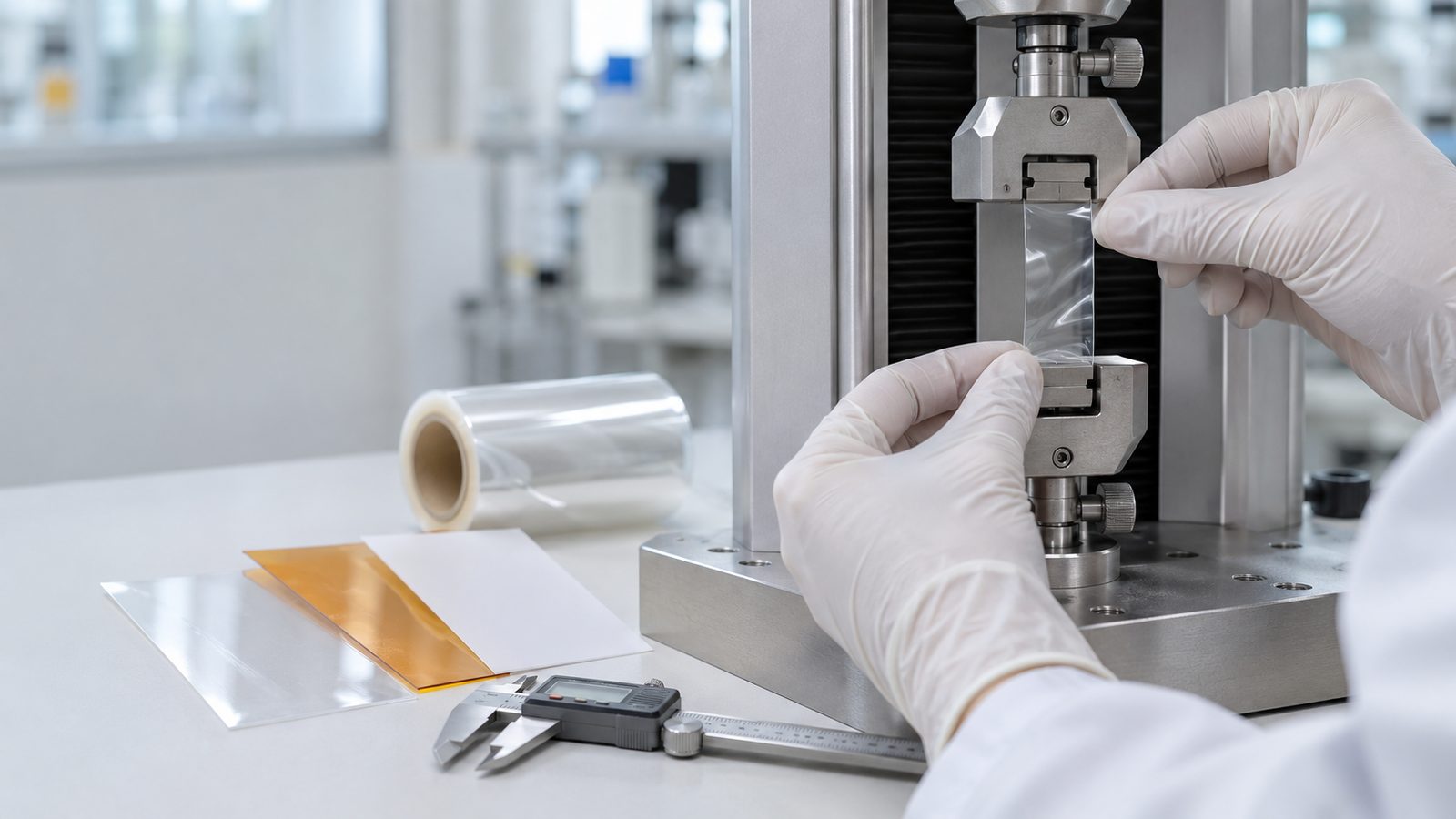
Public Sector, Education and Research
View industry
Electrical and Electronics Industry
View industry
Food and Beverage Industry
View industry
Machinery and Plant Engineering
View industry
Cosmetics and Personal Care Industry
View industry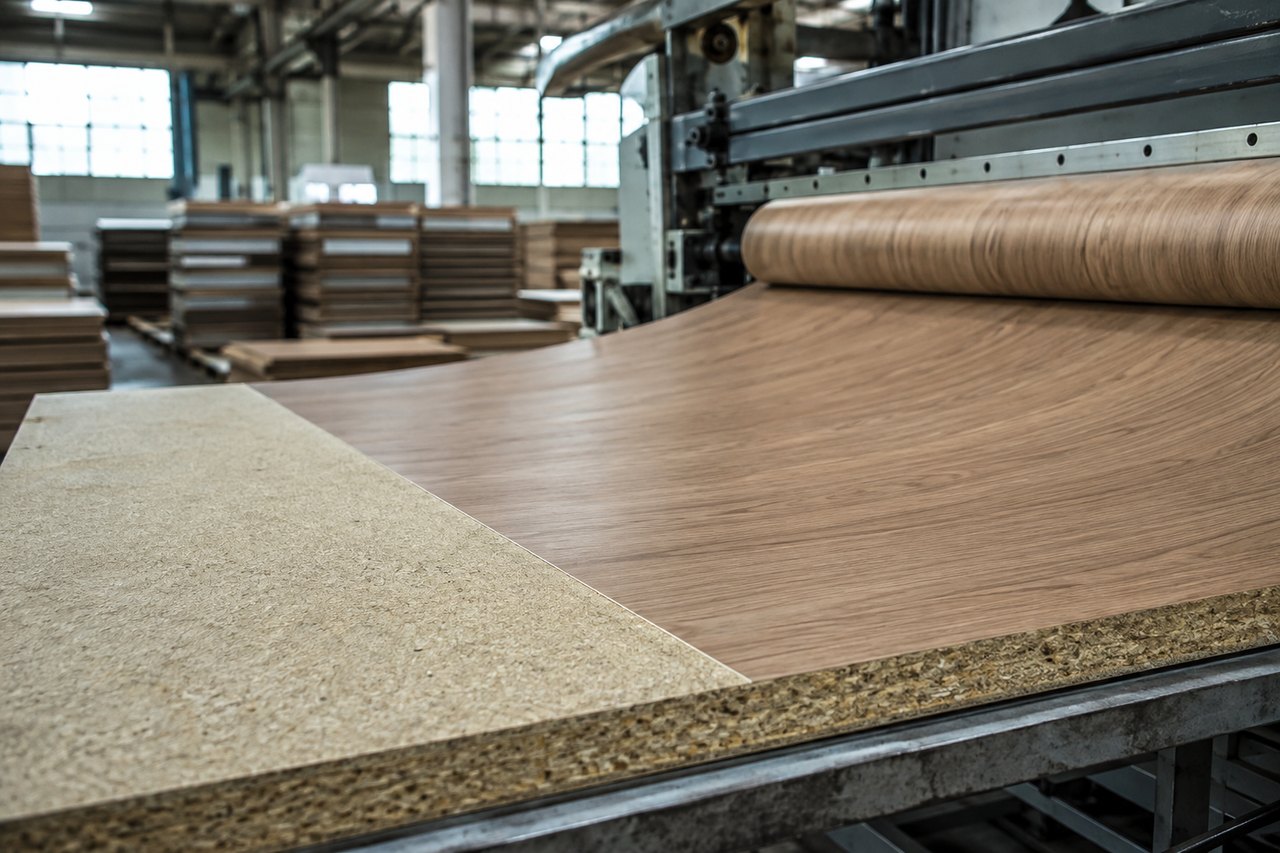
Furniture Industry and Interior Fit-Out
View industry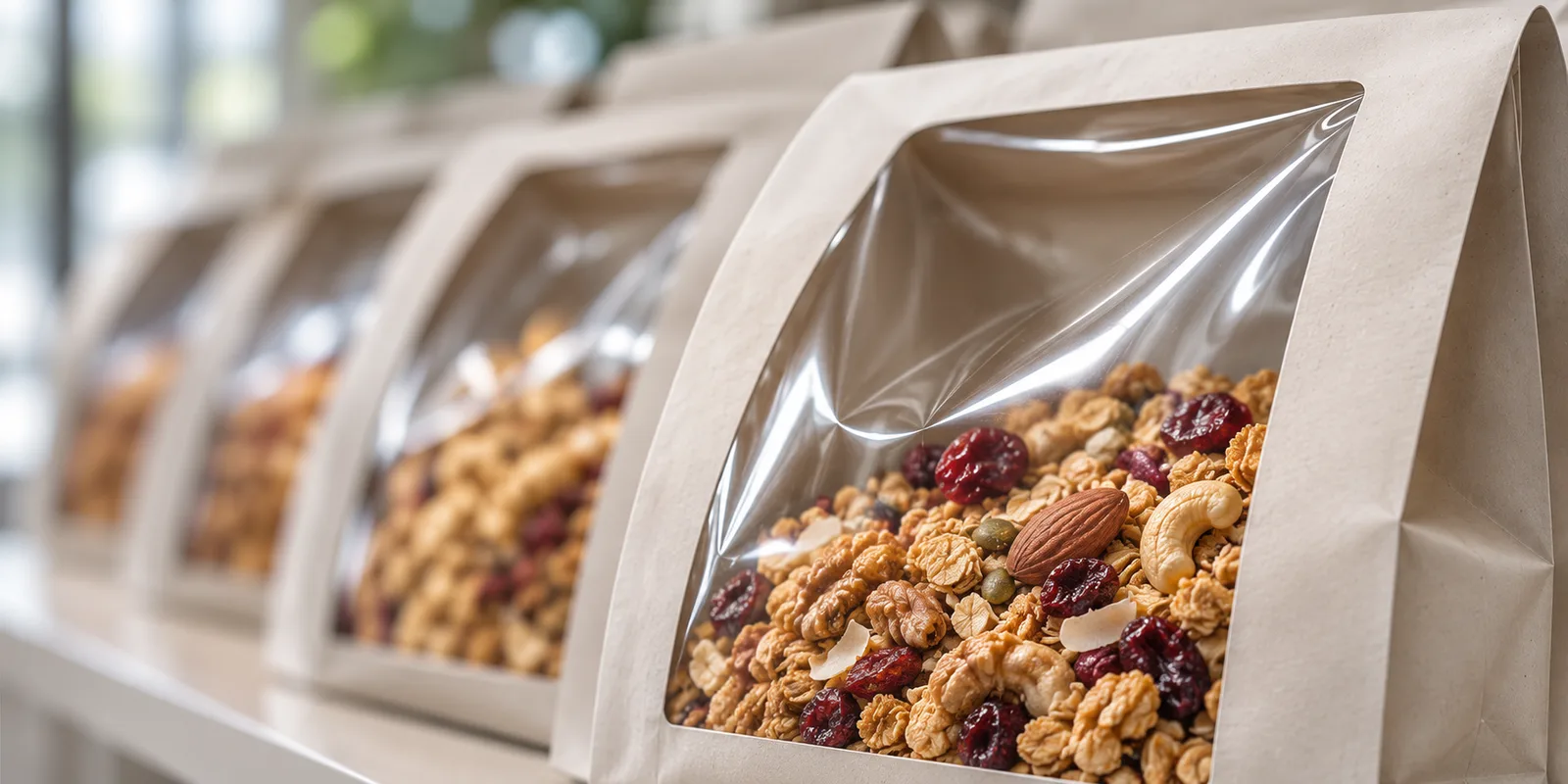
Paper, Paperboard and Board Industry Including Finishing
View industry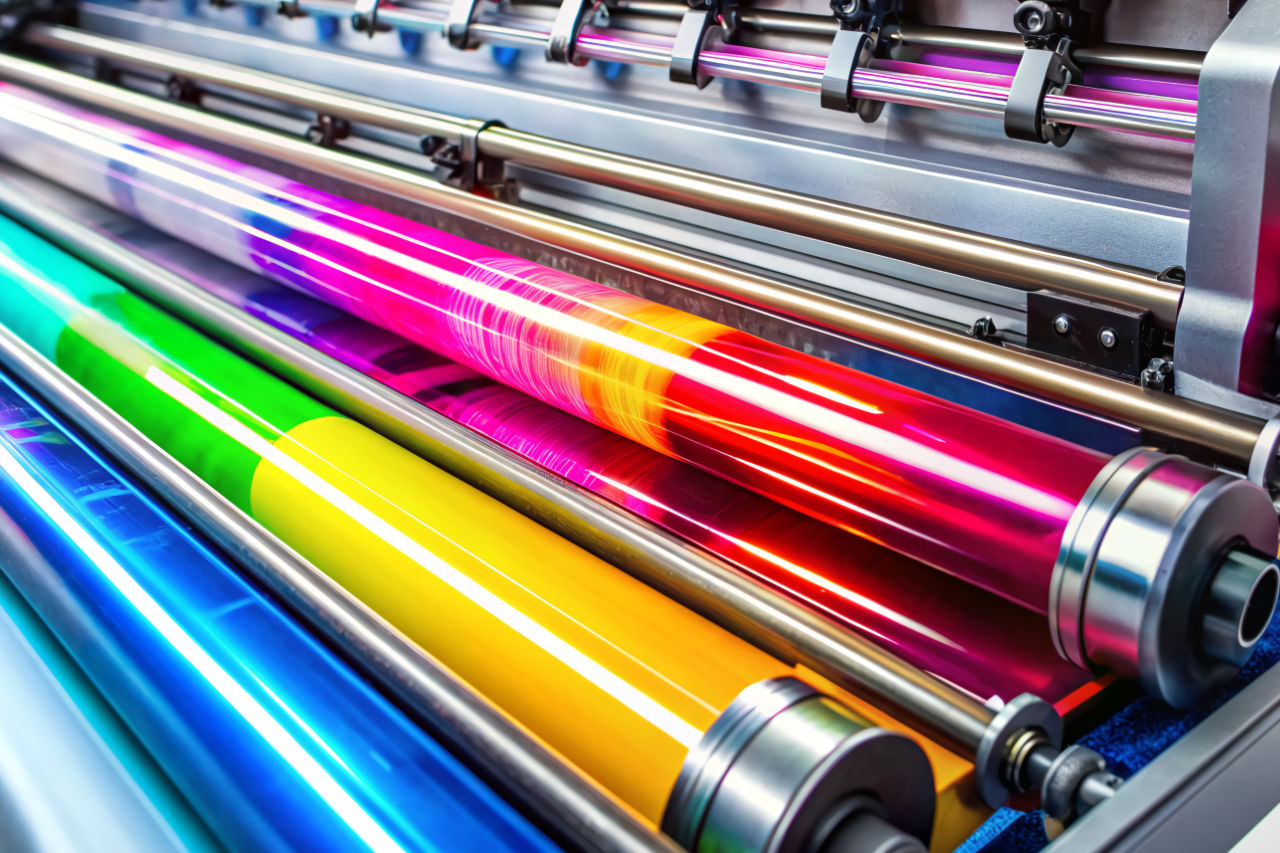
Printing and Media Industry Including Print Finishing
View industry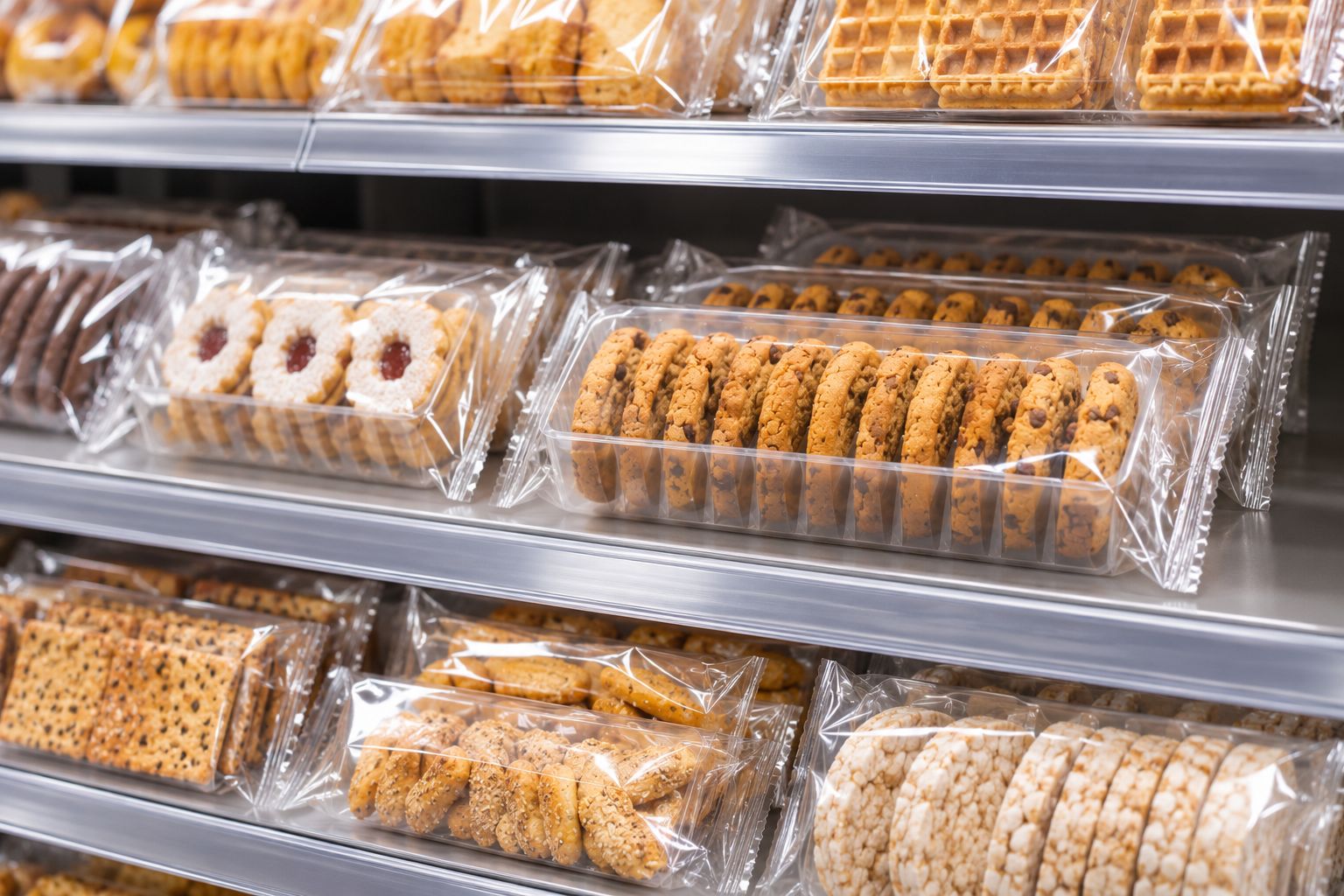
Packaging Industry
View industry
Textile, Apparel and Leather Industry
View industry
Aerospace Industry
View industryDenkbar, im Einzelfall zu prüfen
Chemische Industrie und Kunststoffindustrie · Energieversorgung und Umweltwirtschaft · Medizintechnik · Pharmaindustrie · Sportartikel- und Spielwarenindustrie · Verteidigungs- und Sicherheitsindustrie · Finanz- und Versicherungsdienstleistungen
Für diese Branchen ist BOPET aus verwandten Anwendungen abgeleitet und nicht aus einer bestehenden Zuordnung übernommen. Ob das Substrat zu Ihrer konkreten Anwendung passt, klären wir vor einer Zusage. So beschreibt es die Pütz-Methode.
Converting at Pütz
Converting at Pütz.
We carry BOPET types from several manufacturers. You receive them converted as rolls, as sheets and cut-to-size sheets or as traverse-wound spools. Where the application requires it, finishing is added: printing, lamination, surface finishing. If you bring your own material, we take care of toll converting.
We are a film converter, not a manufacturer. The films are made by our suppliers. Our work begins after that – with selecting the right type and the format your line actually processes.
Sustainability
R-PET and transparency.
Due to rising demand and to meet sustainability targets, many manufacturers are working on using post-consumer recycled (PCR) raw materials to produce so-called R-PET films. Depending on the producer, BOPET films with R-PET content of 30 to 100% PCR are already available, although this market is currently developing very strongly and unevenly. Some manufacturers also provide environmental footprints and figures for their products; however, verification of the actual improvements is still being established, and more precise information is only possible and available in individual cases.
The raw material used is almost exclusively R-PET pellets from the beverage industry (PET bottles), and the PCR regrind is reprocessed using different processes in different regions. Clean material cycles, appropriate certificates and high quality standards for PCR raw materials make it possible to use them in film production.
We support these projects and examine in detail the possibilities of using these new film types. Nevertheless, we also point out that using recyclates brings many challenges, and we have to note that in many places development does not yet meet the desired or required standards. Greenwashing and a lack of transparency must be avoided at all costs. Only honest, transparent and sustainable concepts deserve our consideration. We will be glad to advise you if you develop a need in this area or if your customers ask you for solutions.
Consulting
Consulting according to the Pütz Method.
We are happy to work out together with you which BOPET film suits your application, following the Pütz Method.
It starts with clarifying your requirements, not with a product suggestion. The Pütz Method describes the process in nine steps.
Inquire directly
Your inquiry about BOPET.
You receive BOPET converted, finished and slit to your requirements: converting, finishing and toll converting.
Prefer to talk directly? Your contacts:
Juan Gomez
Sales & Project Management
T+49 6128 964-330 M+49 151 14964300 @juan.gomez@puetz-folien.com
Michael Büttner
Sales & Project Management
T+49 6128 964-315 M+49 160 8964315 @michael.buettner@puetz-folien.com
Kevin Winkelmann
Sales & Project Management
T+49 6128 964-305 M+49 176 11964305 @kevin.winkelmann@puetz-folien.comDisclaimer: The technical data, properties and areas of application stated on this page are based on information from our suppliers and on typical empirical values. They do not constitute guaranteed specifications. Production-related deviations, further developments or changes to product properties are possible at any time. Whether a film type is actually suitable for a specific purpose must be verified on a case-by-case basis. That is exactly what the Pütz Method is for: together we clarify the requirements and provide samples for your own tests. Before placing an order, please explicitly ask us about availability and current specifications. All information is provided without guarantee.
Frequently asked questions
Good to know.
What does BOPET mean?
BOPET stands for biaxially oriented polyethylene terephthalate. After extrusion, the film is stretched in the machine and transverse directions. This gives it its tensile strength, stiffness and dimensional stability.
What is the difference between BOPET and PET?
PET refers to the plastic, BOPET to a biaxially stretched film made from it. Not every PET film is BOPET: amorphous rigid PET films (APET) for thermoforming are not stretched and behave differently mechanically.
Which brands belong to the BOPET group?
Among others, Hostaphan®, Lumirror®, Tenolan®, Melinex® and Mylar®. We carry these and other products from the BOPET film group. The individual brands comprise type programs that can differ considerably from manufacturer to manufacturer, resulting in a wide variety of options and substrates.
In which thicknesses is BOPET available?
BOPET films are produced in thicknesses from less than one µm up to 500 µm. However, thicknesses of just a few µm are rather the exception, and only a few manufacturers master the production of such delicate films. The stiffness of a film increases with its thickness, which is a desired effect in many processes. With its high density, PET is known as a very stable and stiff substrate.
Is BOPET suitable for food contact?
BOPET has traditionally been used in the food industry, whether as a label, packaging film or process aid. Many film types have food contact approval. We are happy to check whether a film is suitable for your application and also supply the necessary declarations and certificates.
Is BOPET recyclable?
Most BOPET films are recyclable, and in the manufacturing process, edge trim and film scraps generated by the process are recycled directly and fed back into production. There may be differences depending on the type, as some film types have complex coatings or even metallization that can disrupt or degrade the material cycle. In principle, however, one must always ask whether films are actually returned to a material cycle after collection or are preferably used in other ways (e.g. energy recovery). We are working with our partners on concepts to return film scraps to their original application in the future, and our goal is to enable zero-waste production for all substrates. The first steps have been taken, and we are happy to discuss the possibilities with you.