Film type · Substrat-Spoke
Cellophane regenerated cellulose.
Transparent film made of regenerated cellulose based on wood pulp – depending on the coating, with a barrier, semi-permeable or permeable.
Overview
What is Cellophane?
Cellophane refers to the original cellulose film (the raw material is renewable pulp), developed in the first half of the last century, which conquered the market as the first transparent packaging substrate. Cellophane has been developed further over many years, and today only a few manufacturers still offer a broad film portfolio.
This film is used mainly in packaging applications, but also in technical applications, and is available from the relatively simple standard film through to sealable and barrier-coated variants.
Technical valuesProperties
Eigenschaften von Cellophane.
PlatzhalterInput Vertrieb
Worauf kommt es bei Cellophane in der Praxis an? Bitte im Review dieser Seite stichpunktartig notieren. Daraus entsteht der Text für diesen Abschnitt. Zahlenwerte stehen nur in der Tabelle darunter.
Technical data
Technical values, from–to.
| Property | Value | Unit |
|---|---|---|
| Tensile strength | 70–140 | MPa |
| Thickness range | 19–42 | µm |
The values are ranges across all types. We select the right type for your application together with you.
We are happy to provide product-specific technical data for particular film types on request.
Variants
Cellophane variants: a selection from the portfolio.
The key distinction is between types with a barrier and permeable types. The selection shows types of the Cellophane™ brand from Futamura.
| Type | Group | Character |
|---|---|---|
| PT | uncoated | Not sealable, highly permeable to water vapor, good gas and aroma barrier; for twist wrap, bags, sheets and lamination. |
| XS | PVDC-coated | Coated and sealable on both sides, good barrier against water vapor, gases and aromas; for snacks, cereals, confectionery. |
| XSC / XSCi | PVdC, colored | Colored and pigmented grades, suitable for cold-seal applications; for decorative packaging and twist wrap. |
| WS | VC/VA, semi-permeable | Controlled moisture exchange, protection against mold and bacterial growth; specialty type for soft cheese. |
| WSZB | VC/VA, white-opaque | Low light and UV transmission for better protection. |
| LMS / LMSCi | nitrocellulose, semi-permeable | For dough and baked goods; tinted blue, used as classic yeast packaging. |
| PS | nitrocellulose, permeable | High moisture permeability; for baked goods, crusty bread, pastries and fresh fruit. |
Beyond this selection, there are other grades, including white, metallized and colored variants as well as types for technical applications.
Industries in which Cellophane is typically used
Use by industry.
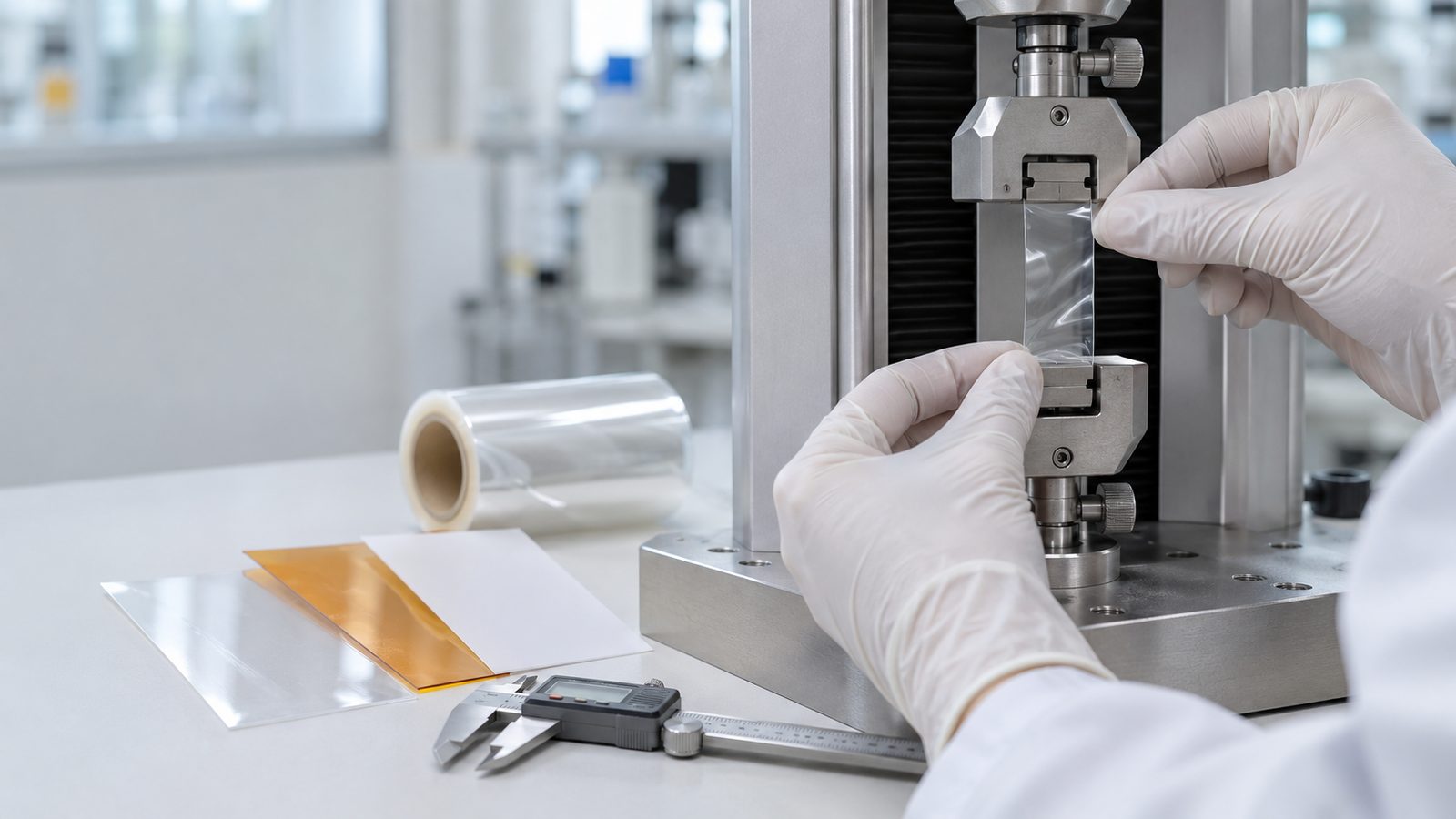
Public Sector, Education and Research
View industry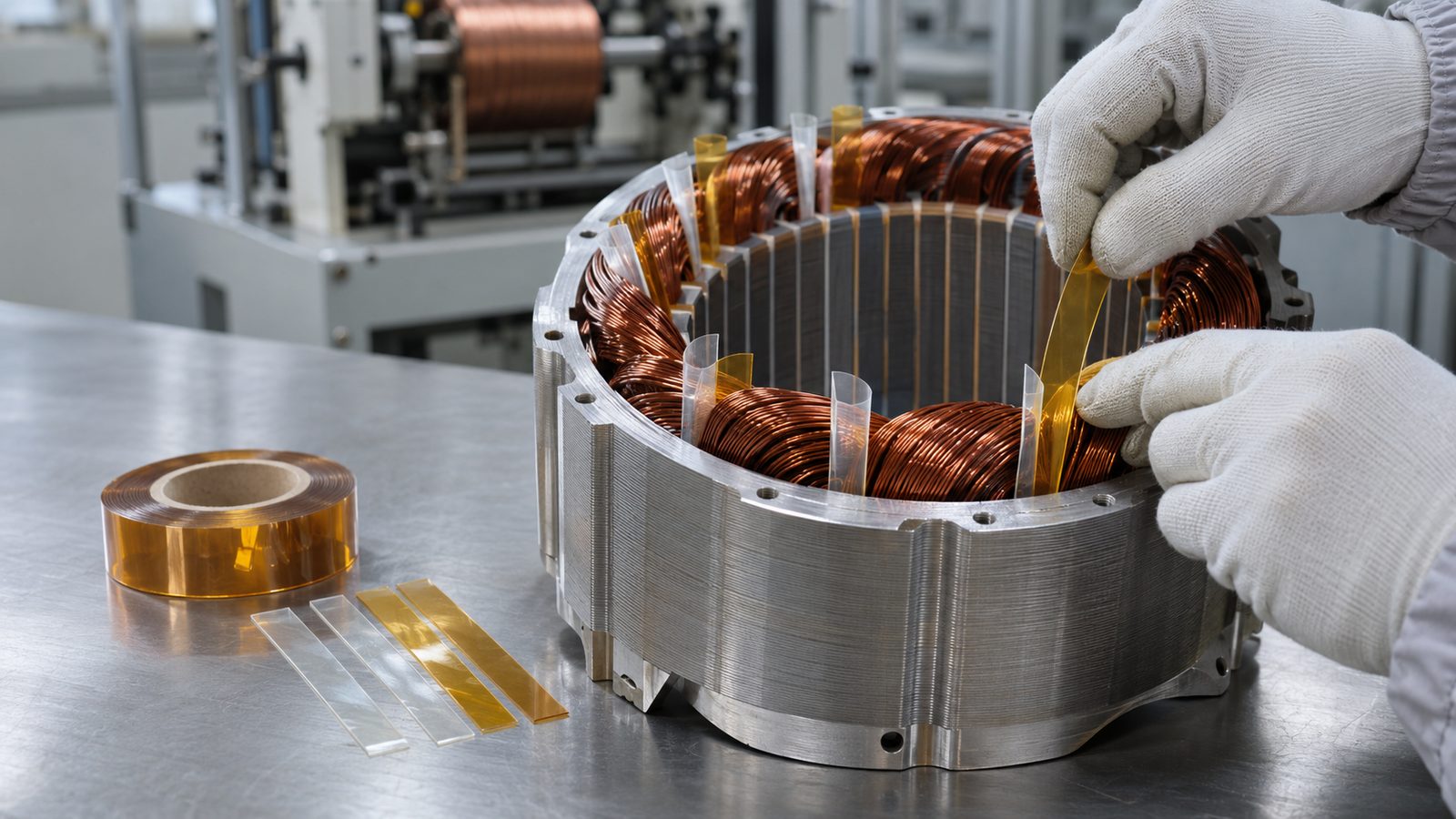
Electrical and Electronics Industry
View industry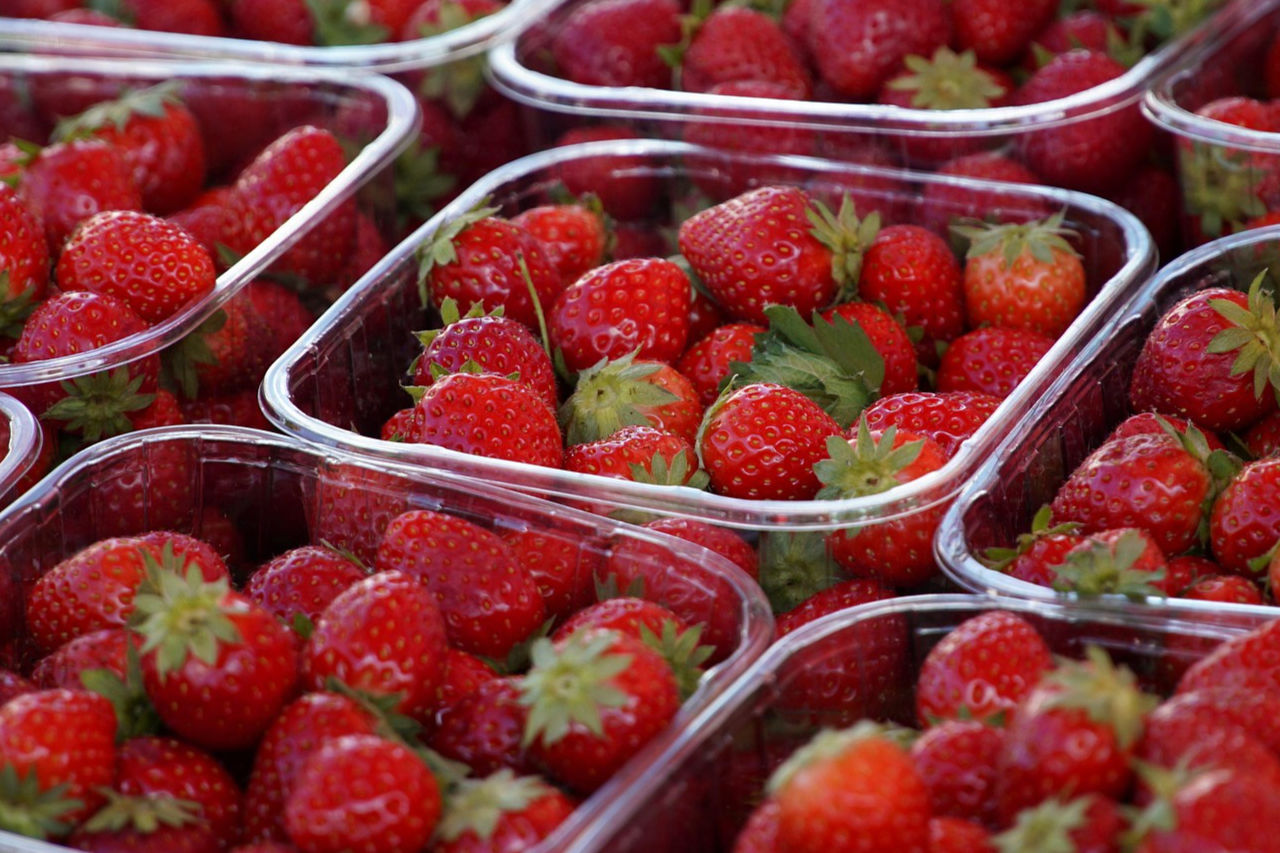
Food and Beverage Industry
View industry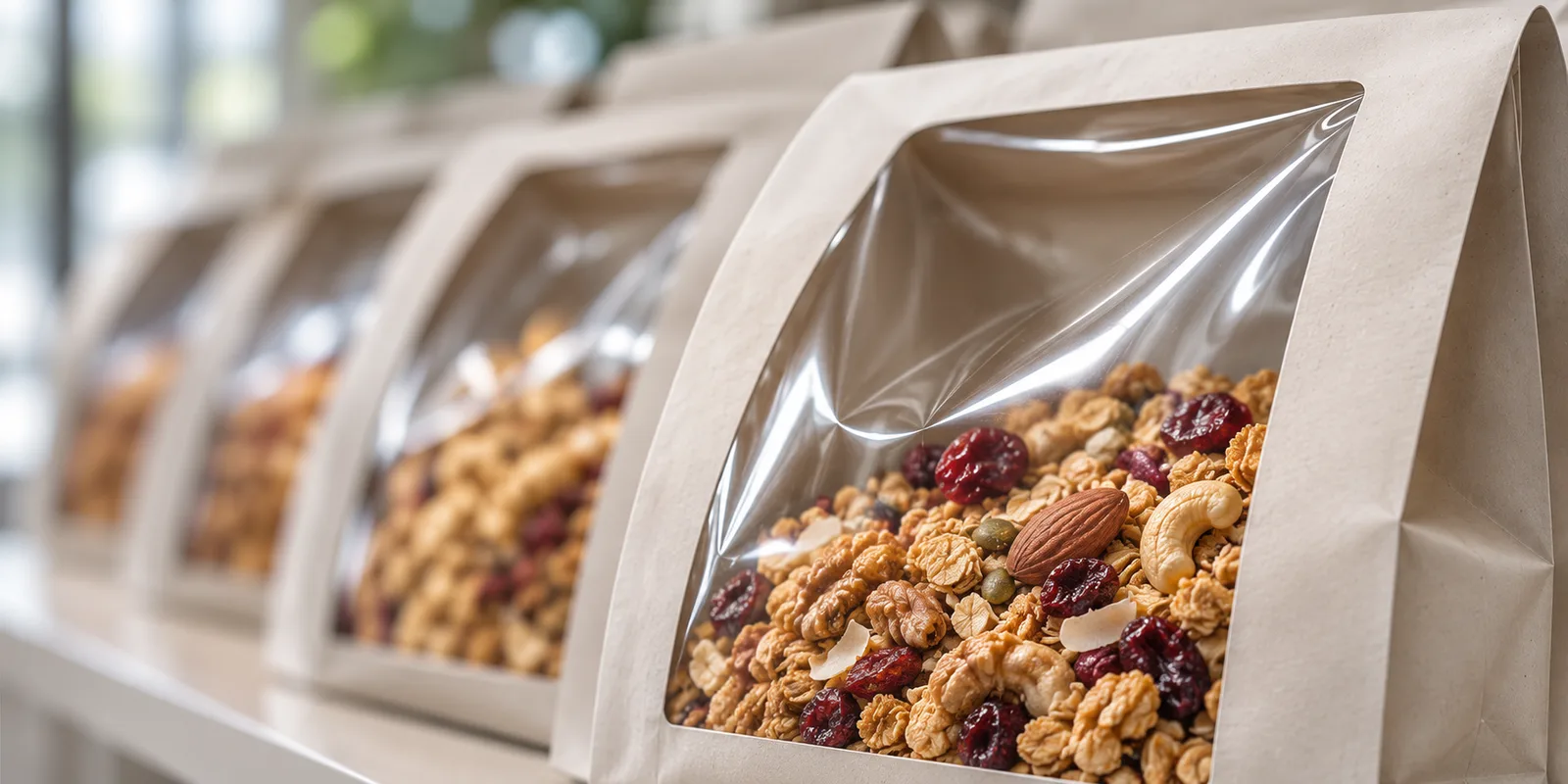
Paper, Paperboard and Board Industry Including Finishing
View industry
Printing and Media Industry Including Print Finishing
View industry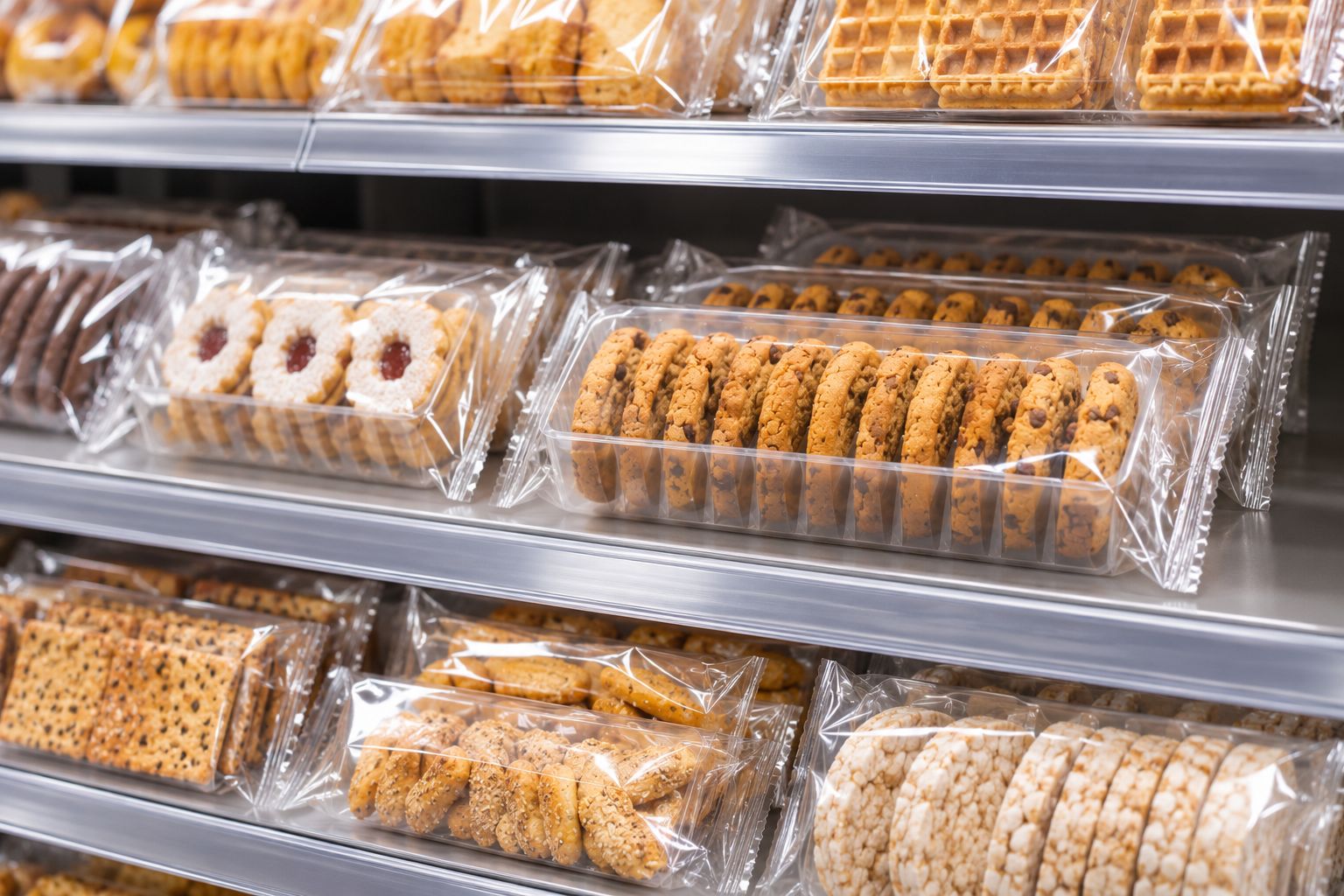
Packaging Industry
View industryDenkbar, im Einzelfall zu prüfen
Chemische Industrie und Kunststoffindustrie · Energieversorgung und Umweltwirtschaft · Medizintechnik · Pharmaindustrie · Kosmetik- und Körperpflegeindustrie · Textil-, Bekleidungs- und Lederindustrie · Sportartikel- und Spielwarenindustrie
Für diese Branchen ist Cellophane aus verwandten Anwendungen abgeleitet und nicht aus einer bestehenden Zuordnung übernommen. Ob das Substrat zu Ihrer konkreten Anwendung passt, klären wir vor einer Zusage. So beschreibt es die Pütz-Methode.
Converting at Pütz
Converting at Pütz.
You receive cellophane as rolls, as sheets and cut-to-size sheets or as traverse-wound spools. For your own material, we take care of toll converting.
Cellophane reacts to climate, so two requirements from the manufacturer documentation are more important than with plastic films. It is stored within a narrow, moderate temperature and humidity range. Its usability from the delivery date is limited, and the goods should be acclimatized before processing. Without this preparation, problems with flatness and machine runnability can occur.
Sustainability
Renewable raw material, clearly classified.
The raw material is renewable: wood pulp from responsibly managed plantations, with a high renewable content. FSC™-certified material is available on request.
The raw material production of cellophane is based entirely on renewable plant-based raw materials. Unlike conventional plastic films, no crude oil is used. The chemical-technical process runs in several steps in which the plant cellulose is isolated, chemically liquefied and then re-formed (“regenerated”) as a transparent film.
Consulting
Consulting according to the Pütz Method.
We are happy to work out together with you which Cellophane film suits your application, following the Pütz Method.
It starts with clarifying your requirements, not with a product suggestion. The Pütz Method describes the process in nine steps.
Inquire directly
Your inquiry about Cellophane.
You receive Cellophane converted, finished and slit to your requirements: converting, finishing and toll converting.
Prefer to talk directly? Your contacts:

Juan Gomez
Sales & Project Management
T+49 6128 964-330 M+49 151 14964300 @juan.gomez@puetz-folien.com
Michael Büttner
Sales & Project Management
T+49 6128 964-315 M+49 160 8964315 @michael.buettner@puetz-folien.com
Kevin Winkelmann
Sales & Project Management
T+49 6128 964-305 M+49 176 11964305 @kevin.winkelmann@puetz-folien.comDisclaimer: The technical data, properties and areas of application stated on this page are based on information from our suppliers and on typical empirical values. They do not constitute guaranteed specifications. Production-related deviations, further developments or changes to product properties are possible at any time. Whether a film type is actually suitable for a specific purpose must be verified on a case-by-case basis. That is exactly what the Pütz Method is for: together we clarify the requirements and provide samples for your own tests. Before placing an order, please explicitly ask us about availability and current specifications. All information is provided without guarantee.
Frequently asked questions
Good to know.
What is cellophane?
Cellophane is a transparent film made of regenerated cellulose. The starting material is wood pulp.
Is cellophane compostable?
Until now, home compostability had only been confirmed for NatureFlex™; meanwhile, some manufacturers offer home-compostable variants. We are happy to advise you on request.
What is the difference between barrier and permeable cellophane?
Film types with improved barrier properties usually receive a coating. Uncoated types have higher permeability, and within the film portfolio there are versions that cover a wide range.
Is cellophane sealable?
Yes, with appropriate coatings, cellophane films can be used for heat-sealing applications. We check the required sealing range and find the right film for your application.
How should cellophane be stored?
As a rule, cellulose films of any kind should always be stored packed. Even after partial use, the remaining film should be sleeved as airtight as possible and stored in the dark. Since the substrate tends to absorb moisture from the air, stored material should always be well protected, kept at correspondingly low humidity, and stored neither too cool nor above 30 °C. It is also important that the material to be used is stored in the production area under production climate conditions for at least 24 hours before processing.