Industry · Entwurf · Vertriebsfreigabe offen
Films for the printing and media industry. Printing substrate and process material.
The Pütz classification lists more fields of application here than in any other industry. From printing substrates to laminating films and release liners to doctor blade film in the printing unit: in the printing industry, film is everywhere.
The same film, five different printing processes.
Whether a film can be printed is not a property of the material alone. It depends on the process. Relief, gravure, planographic, screen and digital printing each have their own requirements: what runs in UV offset needs separate approval in flexographic printing. Surface tension, pretreatment and drying behavior are decisive – and the pretreatment decreases over time. A corona-treated film that is stored too long no longer accepts the ink.
The other half of the business is process materials: release liners for label production, doctor blade films in printing and coating units, laminating films for finishing. Pütz Folien supplies both, converted to your machine width and with a note on the storage period when pretreatment plays a role.
Fields of application
Applications in the Printing and Media Industry Including Print Finishing. With hands-on support.
The printing and media industry has the longest list of applications of all industries. Seven fields are described in detail here; you will find the complete list below.
Surface lamination and surface protection
Gloss and matte laminating films for print finishing. They protect the surface, increase color contrast or tone it down for a more understated look. Folding behavior determines whether the run holds up: a lamination that suits film thickness, adhesive and fold geometry stays clean at the edge. With matte surfaces, scratch sensitivity is part of material selection.
Release liners and label carriers
Carrier materials for pressure-sensitive labels and label production. The release force has to suit the adhesive and the speed of the labeling machine: too firm, and the label tears; too light, and it comes off prematurely.
Printing
Printing substrates for the common printing processes: flexographic, screen, gravure, digital, textile, UV inkjet and UV offset printing. Whether a film can be printed is not a property of the material alone. Surface tension, pretreatment and drying behavior have to suit the process, and an approval from offset does not carry over to flexographic printing. The processes are described in detail on the page Film converting / Finishing / Printing.
Print carriers and mounting films
Carrier films for mounting and further processing. Dimensional stability is the core factor here: a dimensionally stable carrier ensures accurate register.
Plastic cards and card personalization
Film materials for card construction and personalization, from membership and loyalty cards to ID applications. Laminating behavior, printability and dimensional stability in card format are equally important here.
Backlit applications
Printing substrates for backlit displays. Light diffusion and opacity have to suit the light box. Otherwise, the light sources show through in the image.
Doctor blade films for printing and coating processes
Process films in the printing unit. Edge quality and dimensional stability directly determine the print result here; a burr on the cut edge becomes visible.
16 more fields of application in this industry
Expand for details on each field.
Banners and advertising displays
Printing substrates for banners, roll-ups and display systems. Tear resistance at eyelets and edges and flatness when stretched are the criteria.
Bookbinding and covers
Cover, protective and laminating films for bookbinding. Behavior at the fold and hinge determines the durability of the cover.
Decorative and surface labels
Label materials with a decorative function. Appearance, printability and abrasion resistance come together here.
Design, art and decor
Printing substrates and carrier materials for creative applications, often in small runs and special formats that standard goods do not cover.
Document and film sleeves
Transparent materials for document and film sleeves. Transparency, flatness and weldability determine the selection.
Print finishing
Materials for finishing printed products: lamination, embossing, coating, digital foiling (sleeking), hot foil stamping and cold foil transfer. Carried out by specialized partner companies; selection and converting stay with us.
Label production
Materials for label production: signs, floor stickers and stickers. Printability, adhesion to the substrate and residue-free removal determine the selection.
Photography and image processing
Carrier and protective materials for photographic applications. Optical clarity and dimensional stability are the determining factors here.
Industrial signs and labeling
Materials for signs and technical labeling. Resistance to media, UV and mechanical stress over the product life.
Lamination, laminates and surface protection
The umbrella term for all laminating processes: wet lamination, dry lamination (thermal/hot melt), solvent-free and vacuum processes, extrusion coating, duplex, triplex and multiple lamination as well as special and metal lamination. We clarify which combination of film, printing substrate and adhesive fits on an application-specific basis.
Printing plates and printing forms
Carrier and process materials in printing plate production. Dimensional stability is directly relevant to register here.
Surface finishing
Finished film surfaces for printed products: gloss, matte, texture. The processes differ greatly in technical terms; we select with you and convert.
Repro and prepress
Films for reproduction and prepress. Dimensional stability and optical properties determine the result of the subsequent steps here.
Ink and printing ink production
Carrier and test materials in ink production. Comparable test results require a reproducible, defined surface.
Advertising and display systems
Materials for advertising media and display systems. Dimensional stability when set up and durability over the campaign period.
Advertising and POS
Printing substrates for point-of-sale advertising. Often small runs with fixed deadlines. Samples and small quantities are the norm here.
Suitable films from the Pütz portfolio
Suitable substrates for this industry. We make the selection with you.
Polyester, polyolefins, PVC (polyvinyl chloride) and synthetic papers are used in the printing industry, both as printing substrates and as process materials.
| Substrate | Typical use in this industry | |
|---|---|---|
| Melinex®PET polyester film, polyethylene terephthalate | Dimensionally stable printing substrates and carrier films | Substrate page → |
| Yupo®PP-based synthetic paper | Tear-resistant, water-resistant printing substrates | Substrate page → |
| BOPPbiaxially oriented polypropylene | Gloss and matte lamination, label materials | Substrate page → |
| Hostaphan®BOPET polyester film, biaxially oriented polyethylene terephthalate | Release liners, carrier films and mounting applications | Substrate page → |
You will find an overview of all materials under Film Types & Substrates.
Complete assignment: substrates and film types
The assignment shows which substrates are used in this industry. It does not say which one is right for your application. For almost every task, several films are options; which one fits depends on the specific requirement. The Pütz Method describes how we clarify this.
Typical challenges
What matters in this industry.
In printing and print finishing, the same questions about films come up again and again.
Process dependency
What runs in offset does not necessarily work in flexographic printing.
Pretreatment with an expiry date
Corona treatment decreases. Storage time counts.
Register accuracy
A dimensionally stable carrier ensures register accuracy in printing.
Folding behavior
Laminations must neither crack nor lift at the edge.
Meeting deadlines
Runs with a fixed publication date need material that runs right away.
Release force
Release liners have to suit the adhesive and the speed of the labeling machine.
Why Pütz Folien
Development partner. From the first sample to series production.
Printability depends on the process, not on the material. We tell you what matters for your process, including the storage period when pretreatment plays a role.
More than 65 years of experience in film converting.
For more than six decades, we have been converting and finishing films. All customers benefit, directly or indirectly, from this experience with tight tolerances and documented processes.
One portfolio for almost every requirement.
From technical specialty films to material composites and individual converting solutions: as a converter for several manufacturers, we offer a wide range of options and give neutral advice on which film suits your application.
Individual development for your application.
Every application is different. We adapt material, converting, quality requirements and services to your requirements, including small quantities and special formats. Because successful projects also depend on collaboration, we value clear contacts, fast response times and pragmatic solutions.
The Pütz Method
Together to the right film. In nine steps.
Which film is right for your application depends on your specific requirements. That is exactly what the Pütz Method is for: from the first question through samples and testing to series delivery. Folio shows how it works.
The Pütz Method in detail
-

I know what the film has to do. But which film is the right one?
1 Starting point
-
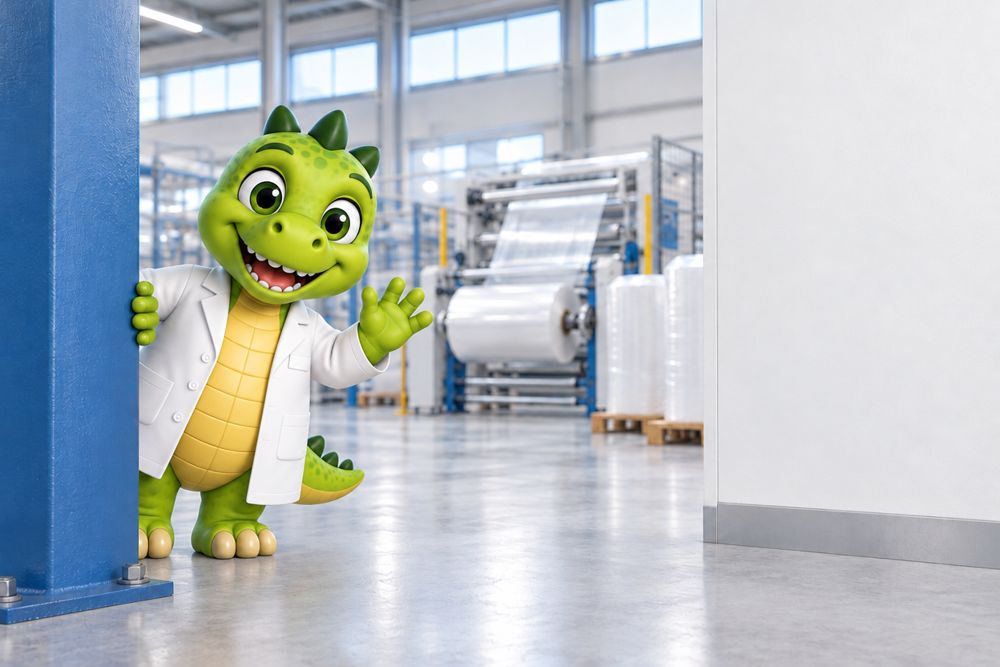
Don’t worry, Dr. Meier! That is exactly what the Pütz Method is for.
2 Getting started
-
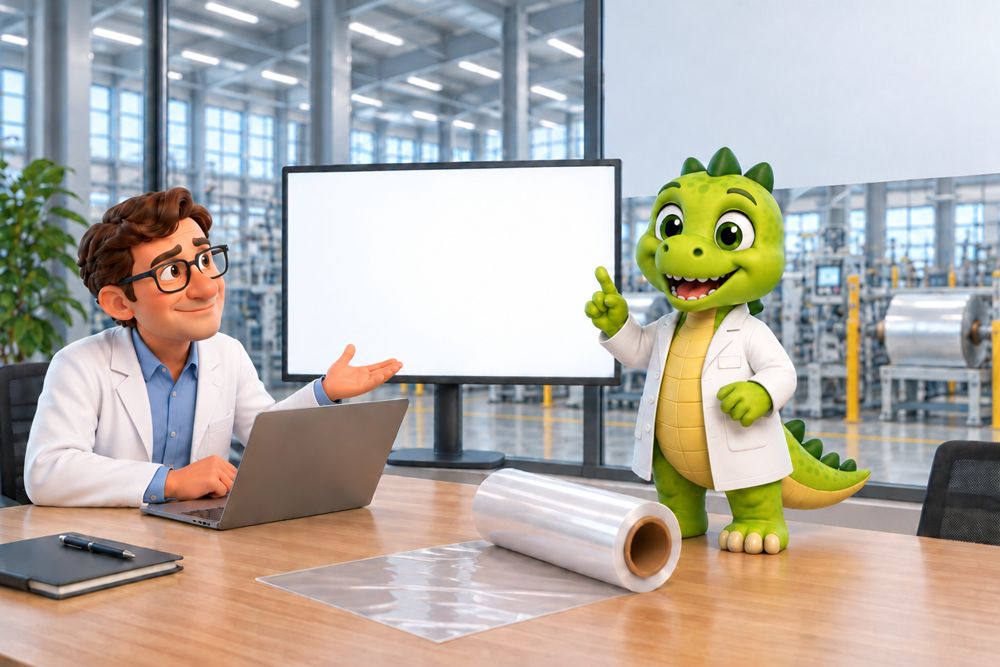
First, we clarify all the important requirements together.
- Application
- Properties
- Material
- Dimensions
- Processes
- Quantity
- Quality
3 Clarifying requirements
-
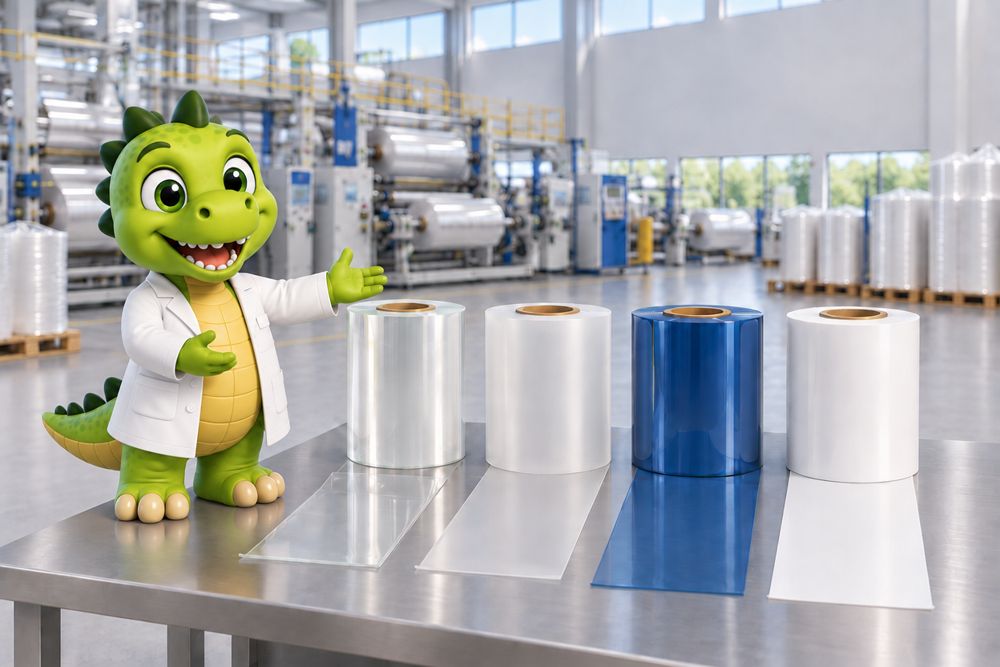
On this basis, we propose suitable film solutions to you.
4 Proposed solution
-
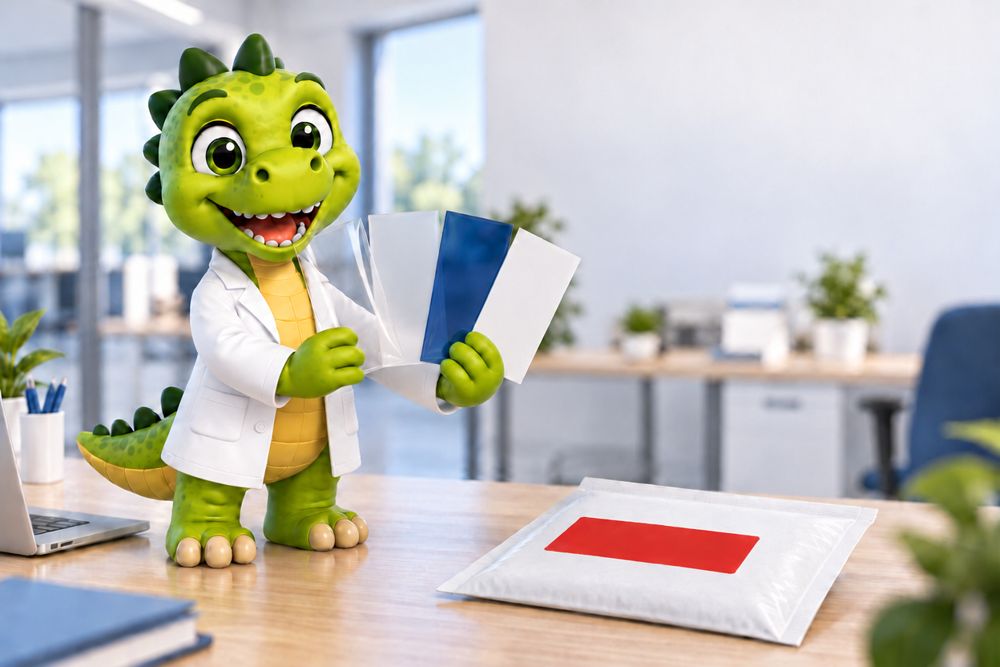
If needed, you receive samples, sample rolls or cut-to-size sheets to test for your application.
Samples
5 Samples
-
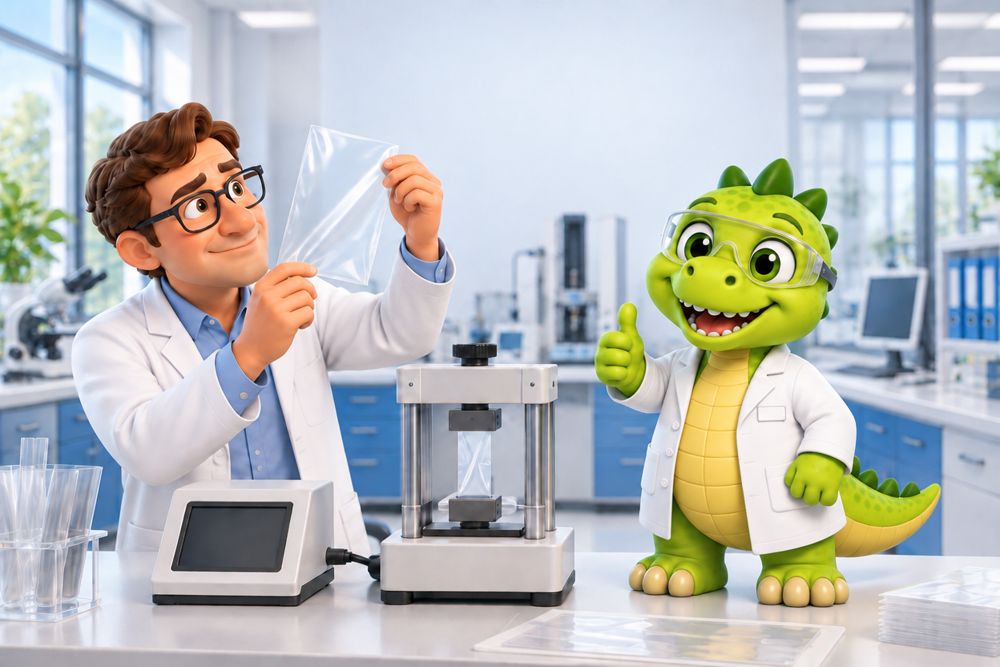
You test the film samples. We discuss the results together.
6 Testing and evaluation
-

After the successful test phase, you receive a suitable quotation. Together, we find the best solution for you.
Quotation
- Material
- Dimensions
- Quantity
- Delivery time
- Price
7 Quotation
-
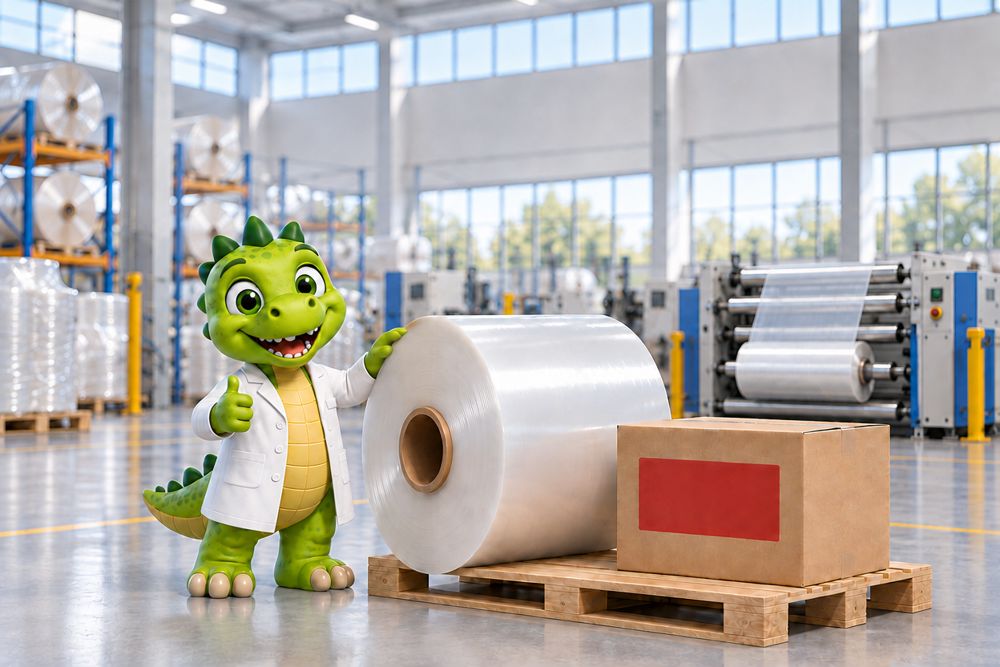
On request, we deliver a pilot quantity or pre-series for final testing under real production conditions.
Pilot quantity
8 Pilot quantity
-
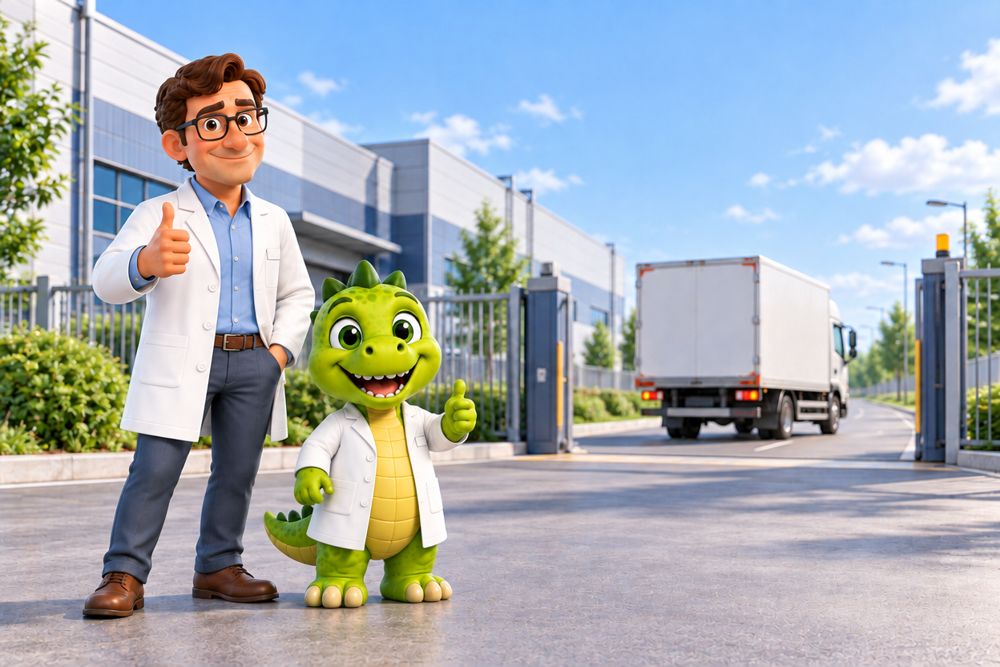
After approval, we reliably deliver your series goods. And even after that, we remain your partner for further optimization.
9 Series and partnership
Your contacts
Your application. Our next step.
For Printing & Media, this colleague is your dedicated contact, from the first question to series delivery.
Inquire directly
A task in printing or finishing? Let’s talk about it.
Describe the substrate, application and format. We will get back to you promptly.
Disclaimer: The technical data, properties and areas of application stated on this page are based on information from our suppliers and on typical empirical values. They do not constitute guaranteed specifications. Production-related deviations, further developments or changes to product properties are possible at any time. Whether a film type is actually suitable for a specific purpose must be verified on a case-by-case basis. That is exactly what the Pütz Method is for: together we clarify the requirements and provide samples for your own tests. Before placing an order, please explicitly ask us about availability and current specifications. All information is provided without guarantee.
Frequently asked questions
Good to know.
Which films print well?
That depends on the process, not just the material. Surface tension, pretreatment and drying behavior are decisive. Polyester, BOPP and synthetic papers such as Yupo® cover different requirements. Tell us your process, and we will narrow down the suitable types.
How long does corona treatment last?
Surface tension decreases over time; for the types concerned, the supplier sheets state a processing period of about six months when stored below 30 °C. Before processing, the film should be conditioned in the processing climate for around 24 hours.
Which film is suitable as a release liner?
Siliconized polyester films are the common route. The release force has to suit the adhesive and the dispensing speed. Both should be stated in the inquiry, because they determine the material selection.
What is synthetic paper?
A tear-resistant, water-resistant plastic-based printing substrate, such as Yupo® or Valéron®. It can be printed like paper but is much more robust against moisture and mechanical stress.
Do you deliver in our machine width?
Yes. Rolls are available from 4 to 2,500 mm in web width with a tolerance of ± 1 mm as standard, and sheets with edge lengths from 19 to 1,800 mm.
Do you also handle finishing?
Printing, lamination and surface finishing are carried out by specialized partner companies. Selection, order clarification and converting stay with us. You have one point of contact instead of a chain.