Industry · Entwurf · Vertriebsfreigabe offen
Films for energy supply and the environmental industry. Where energy is converted.
Photovoltaics and hydrogen are the two fields in which films become functionally critical in the energy sector: as the backsheet layer in the module, as a carrier material in the cell, as a protective layer in production. Pütz Folien converts the substrates for them.
Performance for 20 years and more. That is what the material is designed for.
All renewable energy applications are designed for long-term use, up to more than two decades. Many components are directly exposed to extreme weather conditions and processes and must ensure consistent performance for many years.
UV resistance, water resistance and extreme temperature changes affect material fatigue. Professional selection and converting therefore help determine service life. As a converter with a correspondingly broad film program, we find the right solution for your application.
Fields of application
Applications in the Energy Supply and Environmental Industry. With hands-on support.
The Pütz classification lists two fields of application for the energy sector. Both are technologically demanding.
Photovoltaics and solar energy
Backsheet and carrier films for solar modules as well as process films in module production. What is required is UV stability, a moisture barrier and electrical insulation over the planned service life of the module. Two decades outdoors is the benchmark, not the test bench value.
Fuel cells and hydrogen cells
Carrier films, release layers and sealing components in cell production. In addition to chemical resistance to the process media, dimensional stability is what counts above all here: stacks react sensitively to thickness deviations.
Suitable films from the Pütz portfolio
Suitable substrates for this industry. We make the selection with you.
Polyester and fluoropolymer structures dominate in energy technology. From the Pütz portfolio, polyester films and, at higher temperatures, polyimide films are the main options.
| Substrate | Typical use in this industry | |
|---|---|---|
| Hostaphan®BOPET polyester film, biaxially oriented polyethylene terephthalate | Carrier and insulation films in the module structure, UV-stable types available | Substrate page → |
| Kapton®polyimide | Continuous-temperature and insulation applications in cell production | Substrate page → |
| Teonex®PEN film, polyethylene naphthalate | Higher heat and hydrolysis resistance than PET | Substrate page → |
| Melinex®PET polyester film | Heat-stabilized types for coating and printing processes | Substrate page → |
You will find an overview of all materials under Film Types & Substrates.
Complete assignment: substrates and film types
The assignment shows which substrates are used in this industry. It does not say which one is right for your application. For almost every task, several films are options; which one fits depends on the specific requirement. The Pütz Method describes how we clarify this.
Typical challenges
What matters in this industry.
Rapid technological development leads to constantly rising demands on the substrates used, so existing materials are continuously developed further and adapted to new technical conditions. This results in a steady stream of new modifications and variants that enable optimized performance, functionality and adaptability to different applications.
Service life
The robustness of our films, paired with our experience: a proven concept for lasting high performance.
UV and moisture
Continuous outdoor exposure over two decades.
Technology changes
Constant technological leaps demand fast material developments and qualification phases.
Dimensional stability in the module
High film quality with tight tolerances stabilizes the use of technical modules.
Chemical media
Resistance to electrolytes and processing aids.
Scaling
Smooth transition from test model or prototype to series production with consistent material performance.
Why Pütz Folien
Development partner. From the first sample to series production.
Renewable energy applications are designed for decades and yet continue to develop rapidly. We accompany these leaps in development and always offer you film products that are up to date.
More than 65 years of experience in film converting.
For more than six decades, we have been converting and finishing films. All customers benefit, directly or indirectly, from this experience with tight tolerances and documented processes.
One portfolio for almost every requirement.
From technical specialty films to material composites and individual converting solutions: as a converter for several manufacturers, we offer a wide range of options and give neutral advice on which film suits your application.
Individual development for your application.
Every application is different. We adapt material, converting, quality requirements and services to your requirements, including small quantities and special formats. Because successful projects also depend on collaboration, we value clear contacts, fast response times and pragmatic solutions.
The Pütz Method
Together to the right film. In nine steps.
Which film is right for your application depends on your specific requirements. That is exactly what the Pütz Method is for: from the first question through samples and testing to series delivery. Folio shows how it works.
The Pütz Method in detail
-

I know what the film has to do. But which film is the right one?
1 Starting point
-
Don’t worry, Dr. Meier! That is exactly what the Pütz Method is for.
2 Getting started
-
First, we clarify all the important requirements together.
- Application
- Properties
- Material
- Dimensions
- Processes
- Quantity
- Quality
3 Clarifying requirements
-
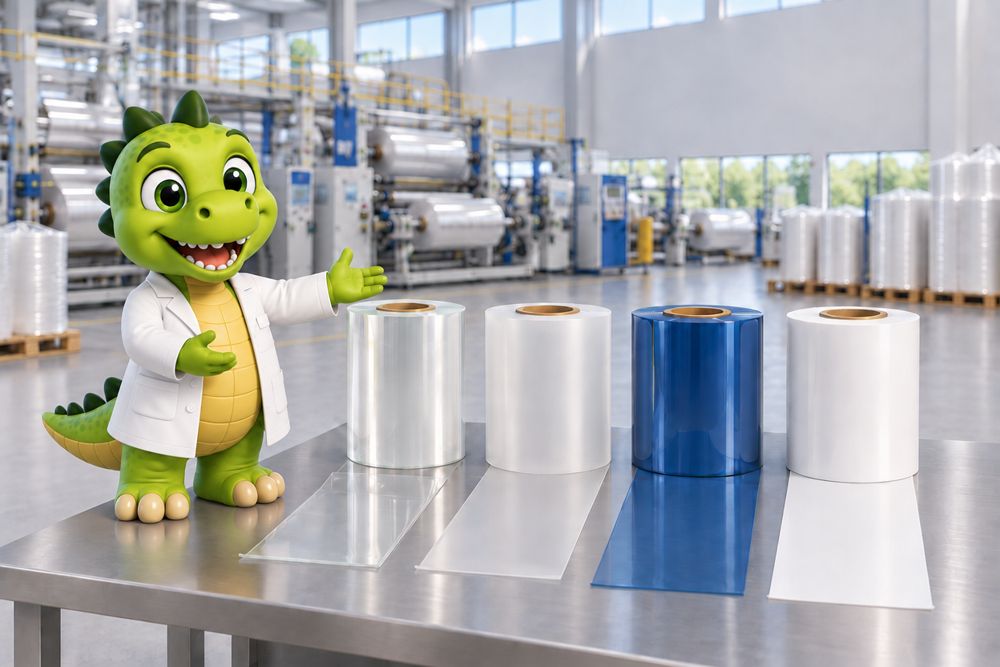
On this basis, we propose suitable film solutions to you.
4 Proposed solution
-
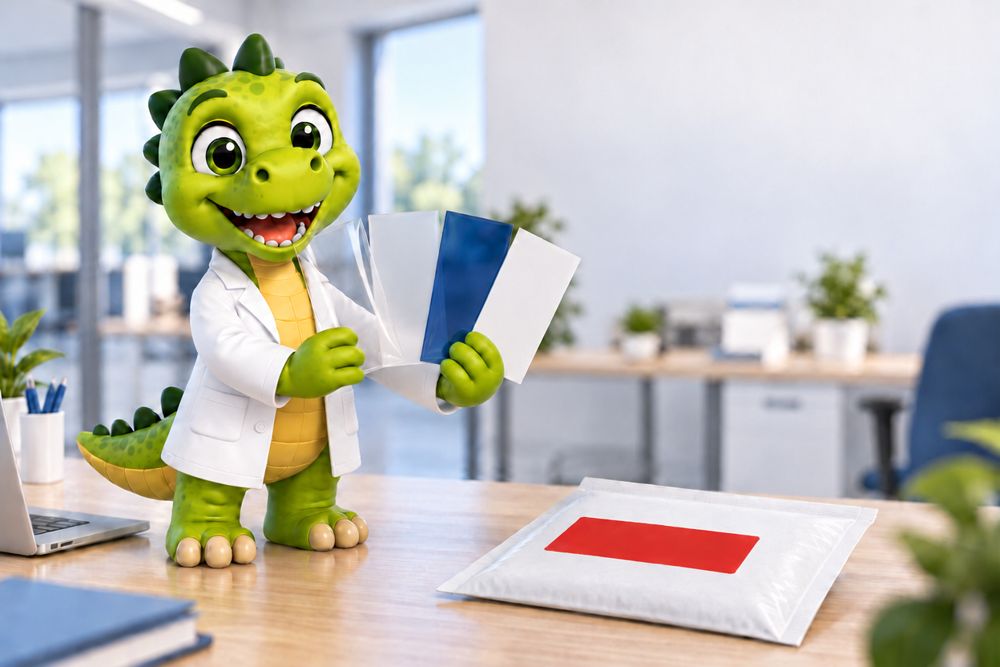
If needed, you receive samples, sample rolls or cut-to-size sheets to test for your application.
Samples
5 Samples
-
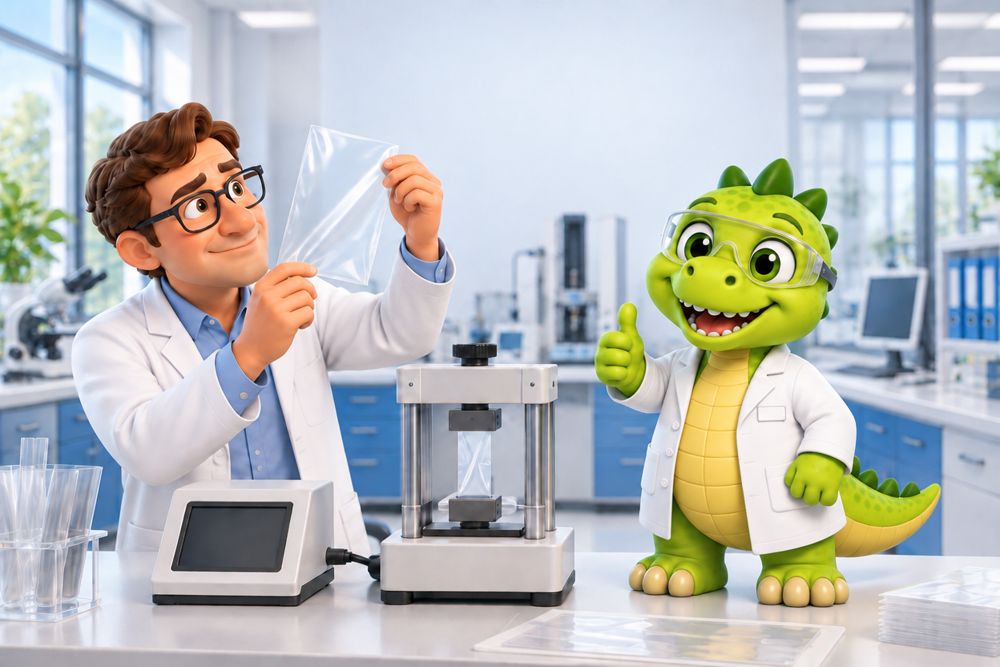
You test the film samples. We discuss the results together.
6 Testing and evaluation
-

After the successful test phase, you receive a suitable quotation. Together, we find the best solution for you.
Quotation
- Material
- Dimensions
- Quantity
- Delivery time
- Price
7 Quotation
-
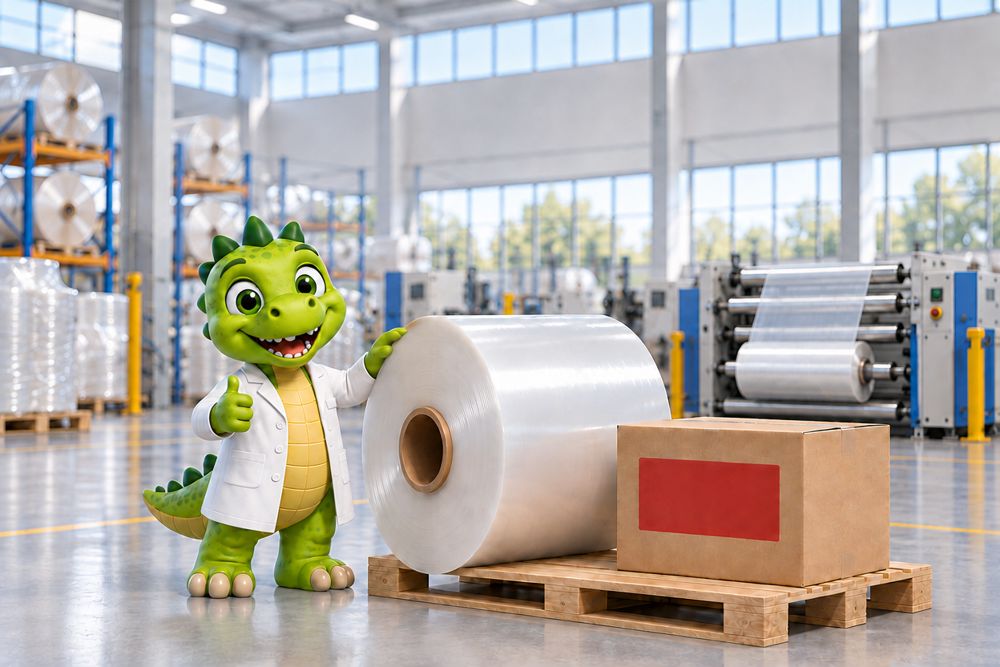
On request, we deliver a pilot quantity or pre-series for final testing under real production conditions.
Pilot quantity
8 Pilot quantity
-
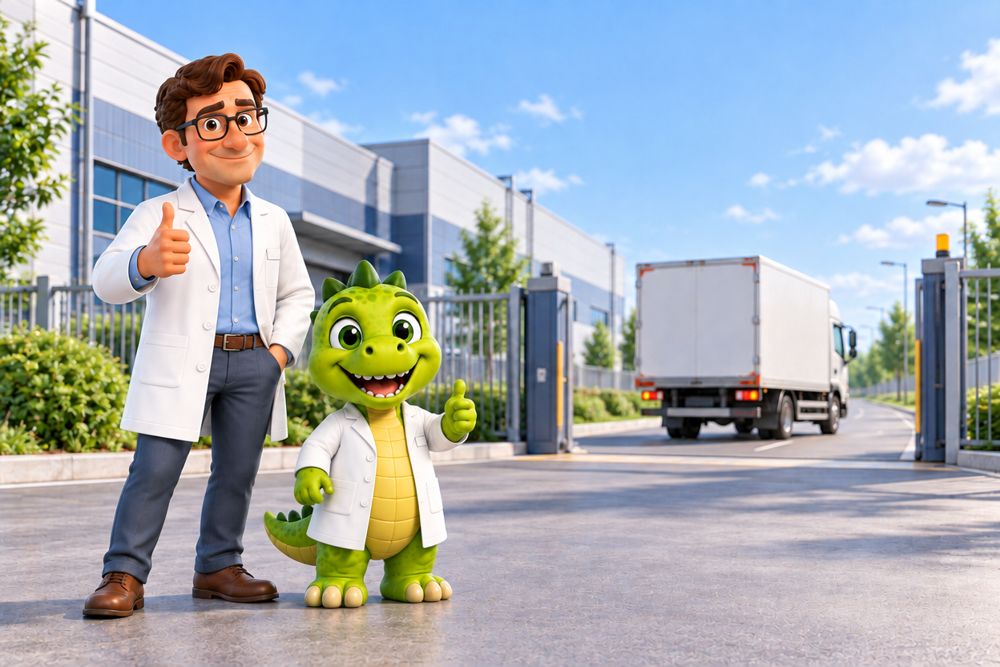
After approval, we reliably deliver your series goods. And even after that, we remain your partner for further optimization.
9 Series and partnership
Your contacts
Your application. Our next step.
For Energy & Environment, this colleague is your dedicated contact, from the first question to series delivery.
Inquire directly
A task in energy technology? Let’s talk about it.
Describe the substrate, application and format. We will get back to you promptly.
Disclaimer: The technical data, properties and areas of application stated on this page are based on information from our suppliers and on typical empirical values. They do not constitute guaranteed specifications. Production-related deviations, further developments or changes to product properties are possible at any time. Whether a film type is actually suitable for a specific purpose must be verified on a case-by-case basis. That is exactly what the Pütz Method is for: together we clarify the requirements and provide samples for your own tests. Before placing an order, please explicitly ask us about availability and current specifications. All information is provided without guarantee.
Frequently asked questions
Good to know.
Which films are used in solar modules?
In the module structure, films take on backsheet, carrier and insulation functions. From our portfolio, polyester films are the main option, and polyimide additionally for applications with high continuous temperatures. Which type your structure requires depends on the cell concept, the lamination process and the required service life.
Are the films UV-resistant?
UV stability is a type-specific property, not a material property: within the same brand, there are UV-stabilized and non-stabilized types. For outdoor applications, we check the status of the specific type and provide the manufacturer information.
Which film is suitable for fuel cell production?
That depends on the process medium, the temperature and the function in the stack. Polyester and polyimide films are options for release and carrier tasks. Because stacks react sensitively to thickness deviations, thickness tolerance plays a bigger role here than in many other applications.
Can you deliver from prototype to series?
Yes, and that is the rule in this field: samples and small quantities for the development phase, then series goods in the same type. A change of material between qualification and series is exactly what you want to avoid.