Industry · Entwurf · Vertriebsfreigabe offen
Films for the electrical and electronics industry. Insulation, circuit carriers and labeling.
Hardly any industry uses films in so many ways: as insulation in transformers, as a substrate for printed circuits, as the front film of a user interface, as a label that survives the reflow oven. Pütz Folien converts substrates with documented electrical properties for these applications.
Between breakdown voltage and the reflow oven.
Electrical applications demand numbers: breakdown voltage at a defined thickness, dielectric dissipation factor, volume resistivity. These values are given in the manufacturer documentation. However, they apply to a specific type in a specific thickness, not to a substrate in general.
Converting ranges from narrow-tape rolls for the winding machine to die-cut parts for the assembly.
Fields of application
Applications in the Electrical and Electronics Industry. With hands-on support.
The Pütz classification lists nineteen fields of application for the electrical and electronics industry. Seven are described in detail here; you will find the complete list below.
Electrical insulation
Slot insulation, phase separation, winding insulation: what is required is dielectric strength at low thickness and dimensional stability at operating temperature. The values apply per type and thickness. We state them for the type supplied.
Transformer and high-voltage insulation
Insulating films for transformers and high-voltage applications. As thickness increases, breakdown voltage rises while strength and modulus fall. The design is always a compromise.
Membrane keyboards and user interfaces
Front films and spacer layers for membrane switches. In addition to printability, recovery behavior, scratch resistance and dimensional stability across the surface count. Otherwise, print image and switching point do not match.
Printed electronics and flexible circuits
Carrier films for printed conductors and flexible circuits. Shrinkage behavior at the drying temperatures of the printing process is decisive; heat-stabilized polyester types were developed for this purpose.
Cable and wire insulation
Wrapping films for single conductors and wiring harnesses. In addition to the electrical function, processability on high-speed wrapping equipment is decisive, along with traverse-wound spools when narrow tapes need long run times.
High-temperature-resistant labels
Labels that survive soldering processes and cleaning steps. Polyimide films remain dimensionally stable where polyester failed long ago.
Batteries and energy storage
Cell insulation and module separation in energy storage systems. Uniform thickness across the surface is just as important here as the value itself. A thin spot shifts the insulation distance.
12 more fields of application in this industry
Expand for details on each field.
Lighting and lighting technology
Diffuser, reflector and carrier films in luminaires. Optical properties such as light diffusion and transmission determine the result here, along with dimensional stability at operating temperature.
Data storage and storage media
Carrier films for magnetic and optical storage media. Dimensional stability and surface quality are the critical factors.
Displays
Optical films in the display stack: diffusers, protective layers, carrier films. Haze, transmission and scratch resistance are equally important here.
Electric motors and drives
Slot, phase and cover insulation in motors. In addition to dielectric strength, behavior under continuous temperature counts.
EMC and shielding
Carrier films for shielding layers and assemblies for electromagnetic compatibility. The film carries the functional layer and must remain dimensionally stable.
Capacitors
Very thin films as the dielectric in capacitors. Uniform thickness in the single-digit micrometer range is the real challenge here. A thin spot determines the dielectric strength of the entire component.
Laser and precision technology
Films for laser processing and precision applications, as a protective layer, masking or carrier material. Edge quality and dimensional stability determine the result.
Printed circuit boards and electronic assemblies
Release, protective and cover films in PCB production and assembly. Often as a die-cut part in the required geometry.
Organic electronics and OLED
Substrates for organic electronics. Barrier properties and surface quality are decisive here, because organic layers are sensitive to moisture and oxygen.
Organic photovoltaics
Carrier films for organic solar cells. In addition to barrier and transparency, resistance to UV and temperature changes over the planned service life counts.
Product and safety labeling
Labels on devices and assemblies that withstand testing, cleaning and operating conditions. For safety labeling, tamper resistance is added.
RFID and smart labels
Carrier films for RFID inlays and smart labels. The film carries the antenna and chip and must come through the laminating and converting steps dimensionally stable.
Suitable films from the Pütz portfolio
Suitable substrates for this industry. We make the selection with you.
For electrical applications, polyester, PEN (polyethylene naphthalate) and polyimide are the key materials. In this order, heat resistance and price increase.
| Substrate | Typical use in this industry | |
|---|---|---|
| Hostaphan®BOPET polyester film, biaxially oriented polyethylene terephthalate | Insulation and carrier film across the entire thickness range | Substrate page → |
| Kapton®polyimide | High-temperature insulation and durable labeling | Substrate page → |
| Teonex®PEN film | Where PET reaches its thermal or electrical limits | Substrate page → |
| Melinex®PET polyester film | Heat-stabilized types for printed sensors | Substrate page → |
You will find an overview of all materials under Film Types & Substrates.
Complete assignment: substrates and film types
The assignment shows which substrates are used in this industry. It does not say which one is right for your application. For almost every task, several films are options; which one fits depends on the specific requirement. The Pütz Method describes how we clarify this.
Typical challenges
What matters in this industry.
In electrical and electronics manufacturing, the same questions about films come up again and again.
Documented values
Electrical values that belong to the type supplied, not to the material class.
Thin yet safe
Installation space shrinks, the insulation requirement remains.
Thermal processes
Soldering, drying, annealing: the film has to remain dimensionally stable.
Narrow tapes
Webs from 4 mm with long run times without roll changes.
Approvals
UL listing and fire rating are stated per type, not brand-wide.
Miniaturization
Smaller die-cut parts with the same tolerance.
Why Pütz Folien
Development partner. From the first sample to series production.
Electrical design needs numbers that hold up. We work type by type, provide the manufacturer documentation for the specific type and say where information is missing.
More than 65 years of experience in film converting.
For more than six decades, we have been converting and finishing films. All customers benefit, directly or indirectly, from this experience with tight tolerances and documented processes.
One portfolio for almost every requirement.
From technical specialty films to material composites and individual converting solutions: as a converter for several manufacturers, we offer a wide range of options and give neutral advice on which film suits your application.
Individual development for your application.
Every application is different. We adapt material, converting, quality requirements and services to your requirements, including small quantities and special formats. Because successful projects also depend on collaboration, we value clear contacts, fast response times and pragmatic solutions.
The Pütz Method
Together to the right film. In nine steps.
Which film is right for your application depends on your specific requirements. That is exactly what the Pütz Method is for: from the first question through samples and testing to series delivery. Folio shows how it works.
The Pütz Method in detail
-

I know what the film has to do. But which film is the right one?
1 Starting point
-
Don’t worry, Dr. Meier! That is exactly what the Pütz Method is for.
2 Getting started
-
First, we clarify all the important requirements together.
- Application
- Properties
- Material
- Dimensions
- Processes
- Quantity
- Quality
3 Clarifying requirements
-
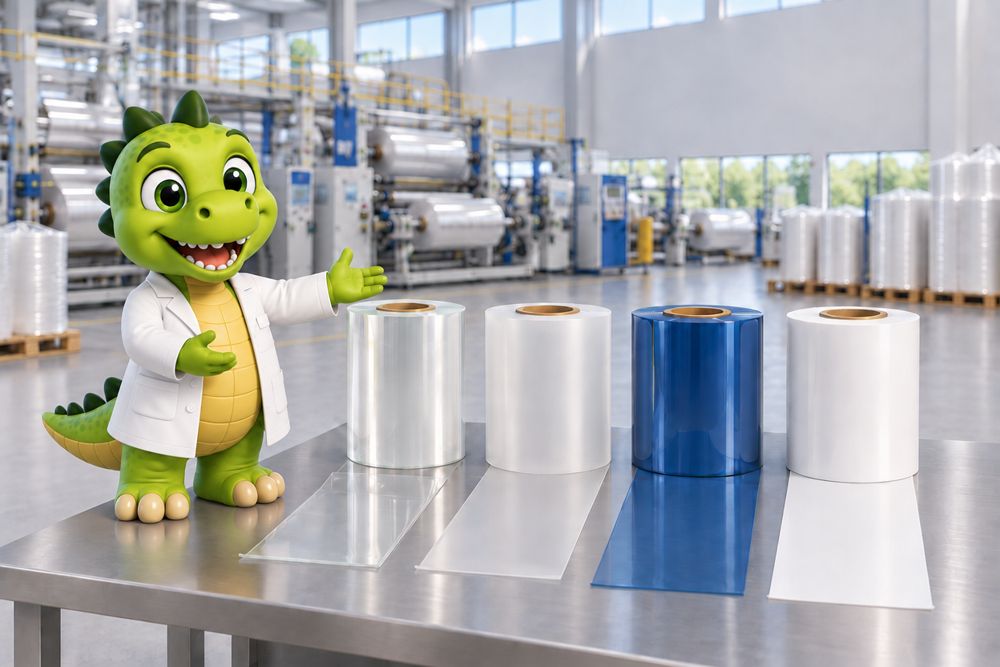
On this basis, we propose suitable film solutions to you.
4 Proposed solution
-
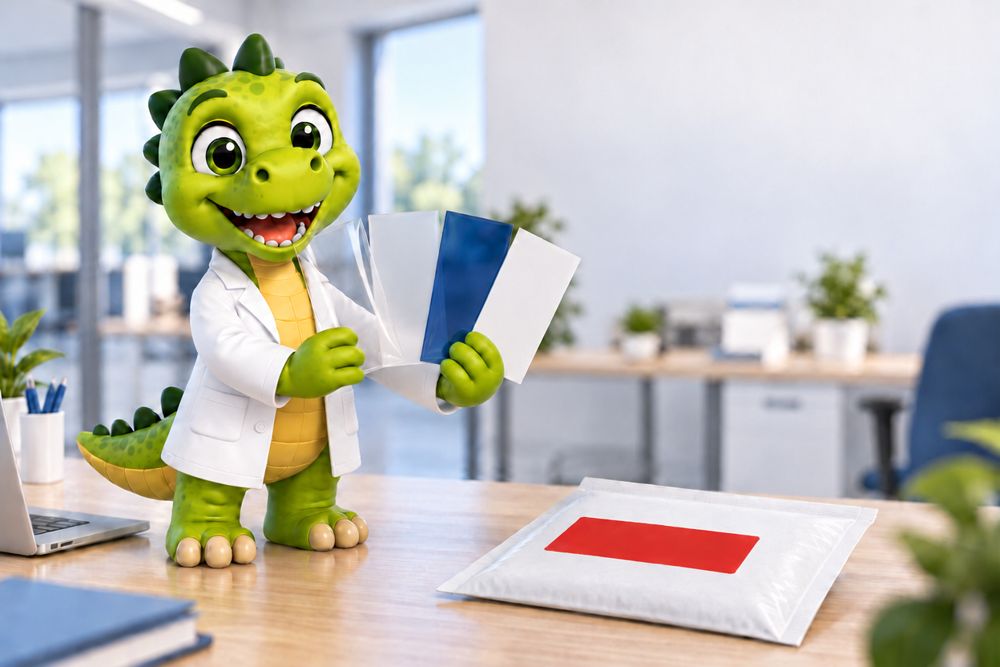
If needed, you receive samples, sample rolls or cut-to-size sheets to test for your application.
Samples
5 Samples
-
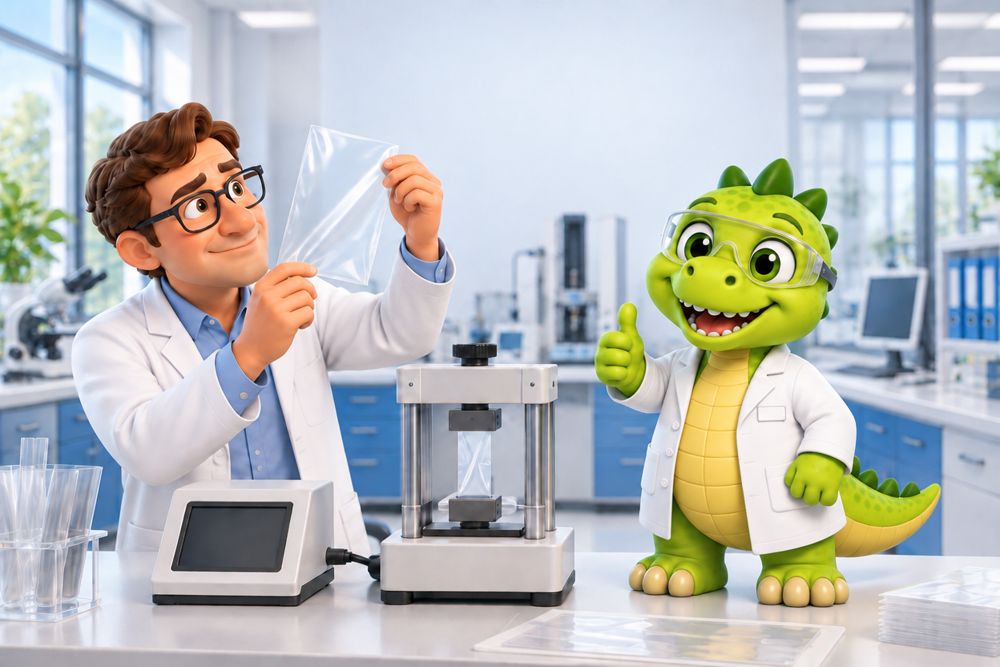
You test the film samples. We discuss the results together.
6 Testing and evaluation
-

After the successful test phase, you receive a suitable quotation. Together, we find the best solution for you.
Quotation
- Material
- Dimensions
- Quantity
- Delivery time
- Price
7 Quotation
-
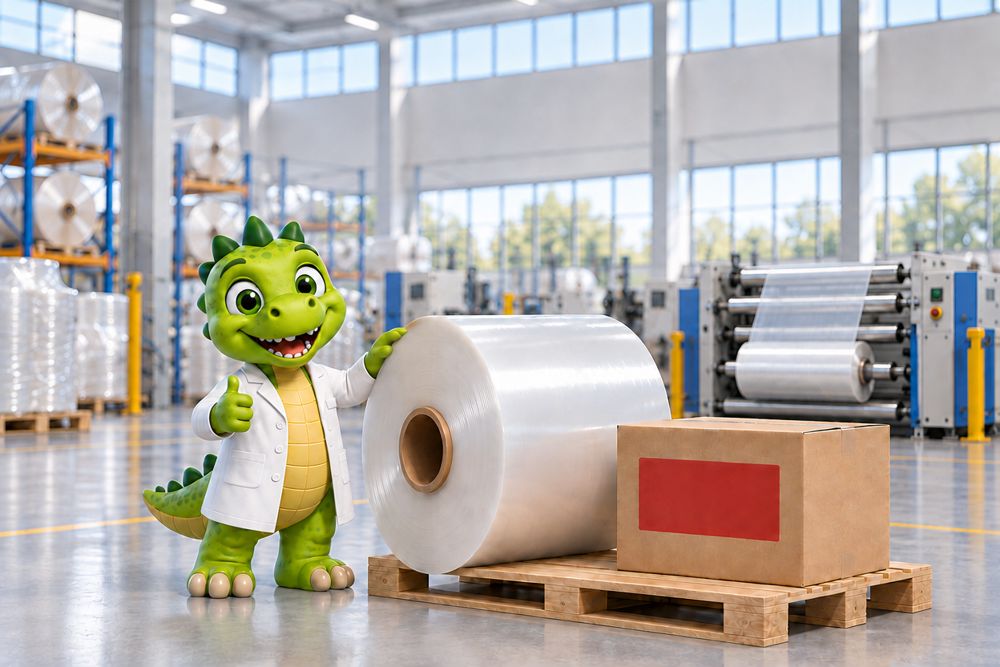
On request, we deliver a pilot quantity or pre-series for final testing under real production conditions.
Pilot quantity
8 Pilot quantity
-
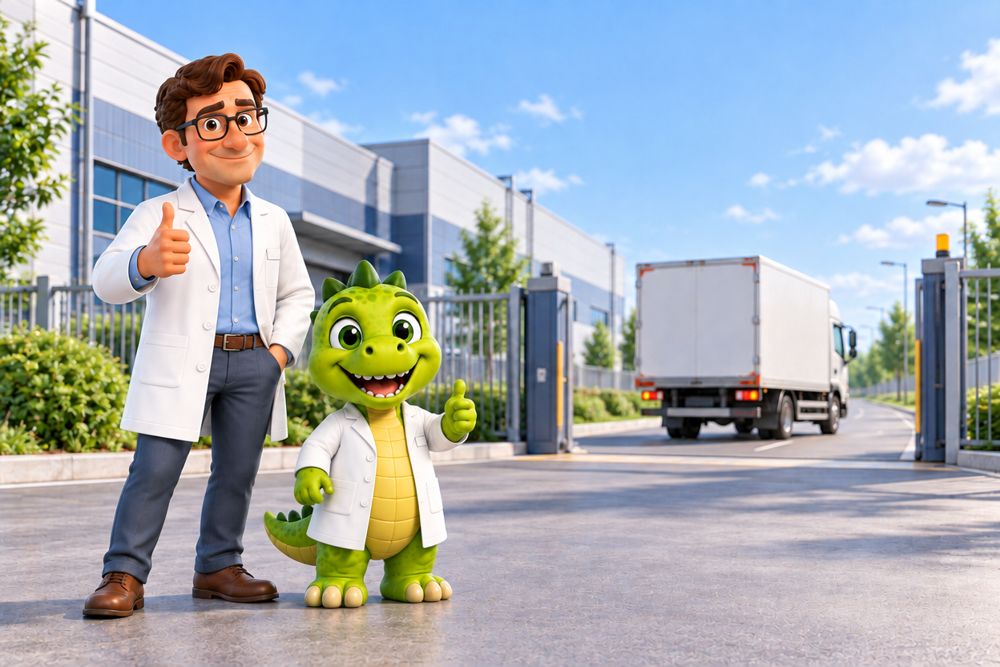
After approval, we reliably deliver your series goods. And even after that, we remain your partner for further optimization.
9 Series and partnership
Your contacts
Your application. Our next step.
For Electrical & Electronics, this colleague is your dedicated contact, from the first question to series delivery.

Inquire directly
An electrical application? Let’s talk about it.
Describe the substrate, application and format. We will get back to you promptly.
Disclaimer: The technical data, properties and areas of application stated on this page are based on information from our suppliers and on typical empirical values. They do not constitute guaranteed specifications. Production-related deviations, further developments or changes to product properties are possible at any time. Whether a film type is actually suitable for a specific purpose must be verified on a case-by-case basis. That is exactly what the Pütz Method is for: together we clarify the requirements and provide samples for your own tests. Before placing an order, please explicitly ask us about availability and current specifications. All information is provided without guarantee.
Frequently asked questions
Good to know.
Which films are used for electrical insulation?
Mainly polyester films, and for higher temperatures PEN and polyimide films. Breakdown voltage depends heavily on thickness: for Hostaphan®, it ranges from 4 kV at 12 µm to 45 kV at 350 µm. We clarify which combination meets your insulation distance on the basis of your design.
Are the films UL-listed?
Approvals such as UL listing and fire rating are stated per type and do not apply to an entire brand. For your application, we check the status of the specific type and provide the confirmation. If it is missing, we request it from the manufacturer.
Which film is suitable for printed electronics?
Heat-stabilized polyester films are often used for printed conductors because they remain dimensionally stable at the drying temperatures of the printing process. The manufacturer expressly names Melinex® ST507 for silver conductor applications, and it is UL-registered.
How narrow can you slit?
From a web width of 4 mm. For very narrow tapes with long run times, traverse-wound spools are another option. They hold significantly more run length and reduce roll changes on the wrapping equipment.
Do you supply die-cut parts for assemblies?
Yes, as cut-to-size sheets or die-cut contours, in small and large series. Edge lengths from 19 to 1,800 mm; we clarify which tool is required before the first delivery.
What tolerance do you hold?
On the web width, ± 1 mm as standard and down to ± 0.05 mm for specialty applications. We clarify in advance which tolerance your application actually needs. A tighter specification than necessary makes the order more expensive without any benefit.