Industry
Films for medical technology. Precision that determines function.
Precisely converted film components for analytics, laboratory, medical devices and imaging – from development to series production. Pütz Folien has supported medical technology manufacturers as a development partner for demanding film applications for more than 30 years.
When micrometers determine function.
In medical technology applications, even the smallest deviations can affect how a product works: a cut edge with burrs, a cut-to-size sheet outside the tolerance, a film with fluctuating thickness. Manufacturers of laboratory systems, medical devices and imaging equipment face the task of combining tight tolerances, documented quality and reproducible processes.
Pütz Folien supports medical technology companies with precisely converted film solutions. We are a converter and solution provider for various films from a range of manufacturers, with more than 30 years of experience in medical applications. Our range extends from small-format cut-to-size sheets to converted rolls.
Fields of application
Applications in the Medical Technology. With hands-on support.
From microfluidics to dentistry: films take on critical functions in medical technology. Pütz Folien converts the right material for each of these applications: as cut-to-size sheets, die-cut parts or rolls.
Analytics and laboratory
Dimensionally stable, clean film components for analytical systems, especially in microfluidics: lab-on-a-chip systems guide the tiniest quantities of liquid through channels whose function depends on precise cutting and uniform film properties.
Biotechnology and laboratory
Carrier films for biosensors, covers for test kits, components for laboratory consumables – with reproducible quality and reliable batch documentation.
Labels and labeling
Labels on medical devices and laboratory samples must remain legible, even after sterilization, cold storage or contact with cleaning agents. Film-based label materials provide the resistant basis.
Components and aids for medical devices
From the insulating part in the device to membrane switch components to the protective cover: films take on a wide range of functions in medical devices. Defined material properties and low-particle converting are decisive.
Orthopedics and aids
Release, padding and functional layers for orthopedic aids: skin-friendly, resilient, in consistent quality. Also in the smaller batch sizes common in this segment.
X-ray and imaging
Carrier and protective materials for imaging processes. Optical properties such as transparency and haze count here.
Dentistry
Thermoforming material and release layers for dental applications: cut-to-size sheets and small formats, produced precisely to requirements, also in small quantities for specialized applications.
Suitable films from the Pütz portfolio
Suitable substrates for this industry. We make the selection with you.
Depending on the requirements, different materials are possible for medical technology applications – from PET (polyethylene terephthalate) to polyimide. Which film suits your application depends on the temperature profile, optical requirements, regulatory framework and further processing.
| Substrate | Typical use in this industry | |
|---|---|---|
| Hostaphan®BOPET polyester film, biaxially oriented polyethylene terephthalate | Clean, dimensionally stable carrier and functional films for medical applications | Substrate page → |
| Melinex®PET polyester film | Heat-stabilized types for printed sensors and technical applications | Substrate page → |
| Mylar®PET polyester film | Versatile polyester film for carrier, protective and functional applications | Substrate page → |
| Kapton®polyimide | Durable labeling and high-temperature applications in devices | Substrate page → |
You will find an overview of all materials under Film Types & Substrates.
Complete assignment: substrates and film types
The assignment shows which substrates are used in this industry. It does not say which one is right for your application. For almost every task, several films are options; which one fits depends on the specific requirement. The Pütz Method describes how we clarify this.
Typical challenges
What matters in this industry.
Medical technology manufacturers often face the same challenges with films. We know them and are happy to help solve them.
Precision
Compliance with tight tolerances: reproducible quality across changing batches.
Reliability
Quality and process reliability throughout the entire production process.
Regulated markets
High documentation and quality requirements.
Hygiene standards
Cleanliness requirements for material, handling and packaging.
Security of supply
Reliable delivery quantities and dates over the entire product life.
Why Pütz Folien
Development partner. From the first sample to series production.
Medical technology applications place high demands on precision, quality and documentation. That is why we support our customers from the first idea to stable series production.
More than 65 years of experience in film converting.
For more than six decades, we have been converting and finishing films. All customers benefit, directly or indirectly, from this experience with tight tolerances and documented processes.
One portfolio for almost every requirement.
From technical specialty films to material composites and individual converting solutions: as a converter for several manufacturers, we offer a wide range of options and give neutral advice on which film suits your application.
Individual development for your application.
Every application is different. We adapt material, converting, quality requirements and services to your requirements, including small quantities and special formats. Because successful projects also depend on collaboration, we value clear contacts, fast response times and pragmatic solutions.
The Pütz Method
Together to the right film. In nine steps.
Which film is right for your application depends on your specific requirements. That is exactly what the Pütz Method is for: from the first question through samples and testing to series delivery. Folio shows how it works.
The Pütz Method in detail
-
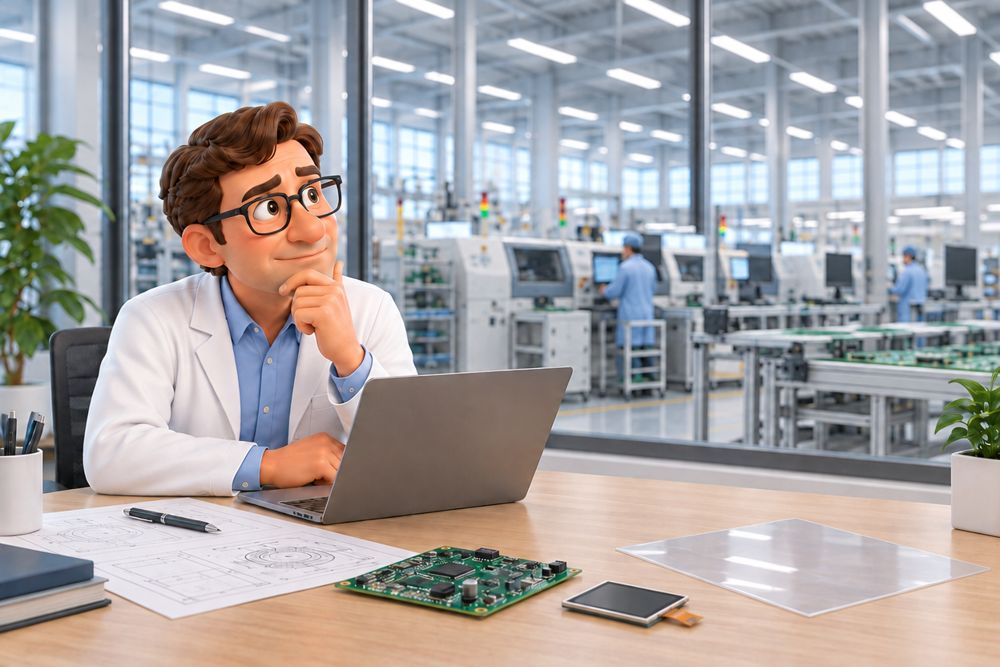
I know what the film has to do. But which film is the right one?
1 Starting point
-
Don’t worry, Dr. Meier! That is exactly what the Pütz Method is for.
2 Getting started
-
First, we clarify all the important requirements together.
- Application
- Properties
- Material
- Dimensions
- Processes
- Quantity
- Quality
3 Clarifying requirements
-
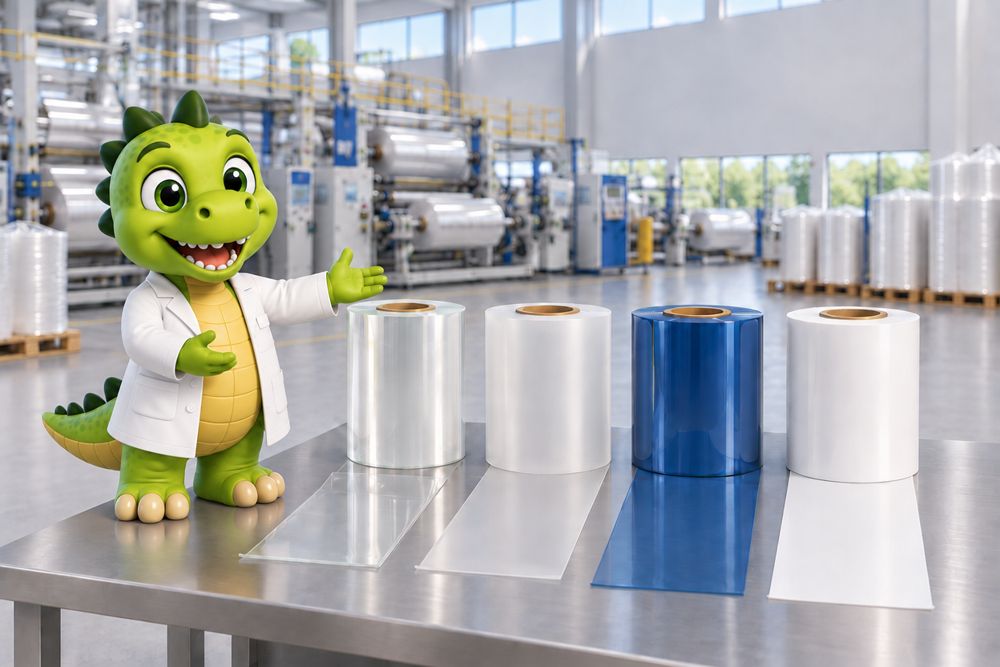
On this basis, we propose suitable film solutions to you.
4 Proposed solution
-
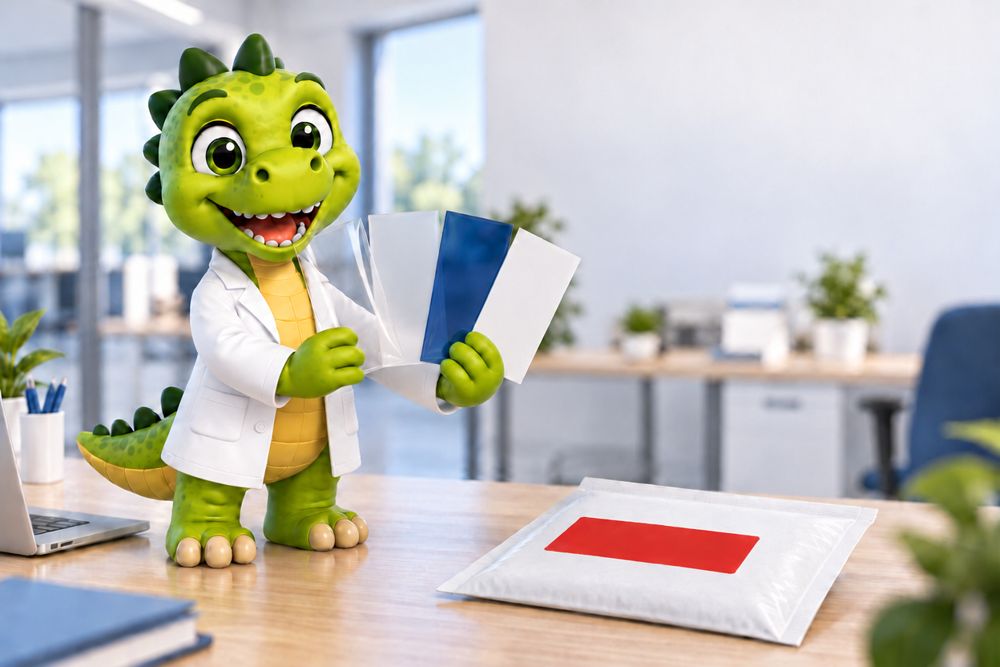
If needed, you receive samples, sample rolls or cut-to-size sheets to test for your application.
Samples
5 Samples
-
You test the film samples. We discuss the results together.
6 Testing and evaluation
-

After the successful test phase, you receive a suitable quotation. Together, we find the best solution for you.
Quotation
- Material
- Dimensions
- Quantity
- Delivery time
- Price
7 Quotation
-
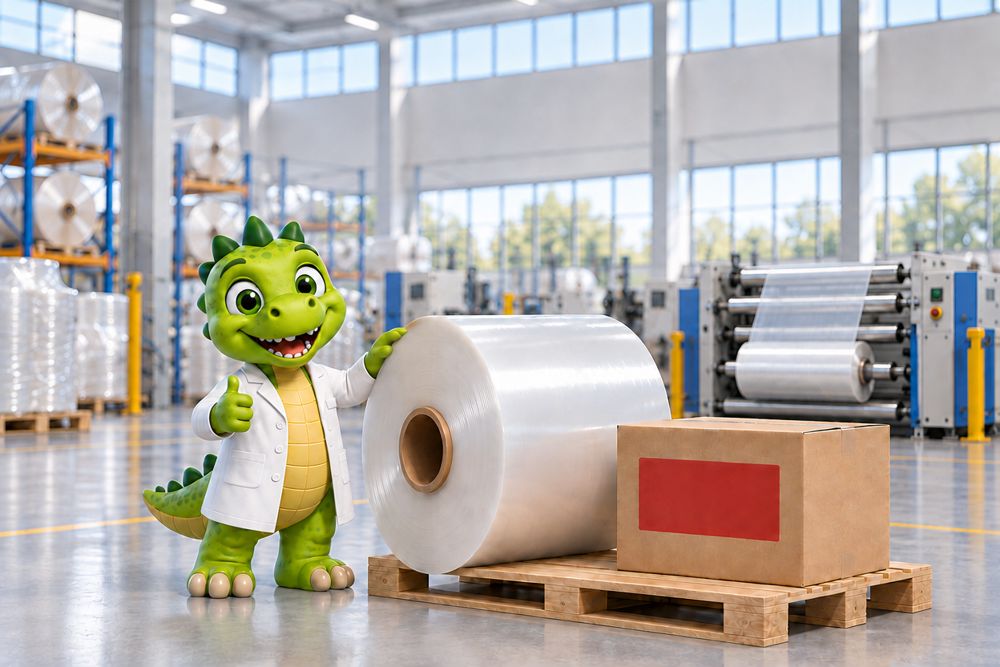
On request, we deliver a pilot quantity or pre-series for final testing under real production conditions.
Pilot quantity
8 Pilot quantity
-
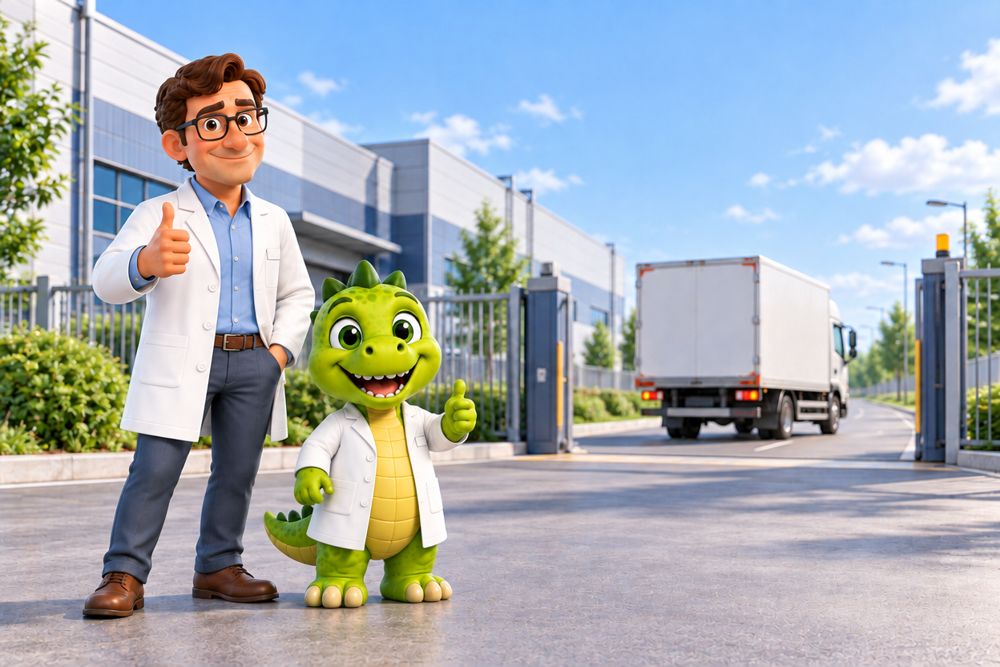
After approval, we reliably deliver your series goods. And even after that, we remain your partner for further optimization.
9 Series and partnership
Your contacts
Your application. Our next step.
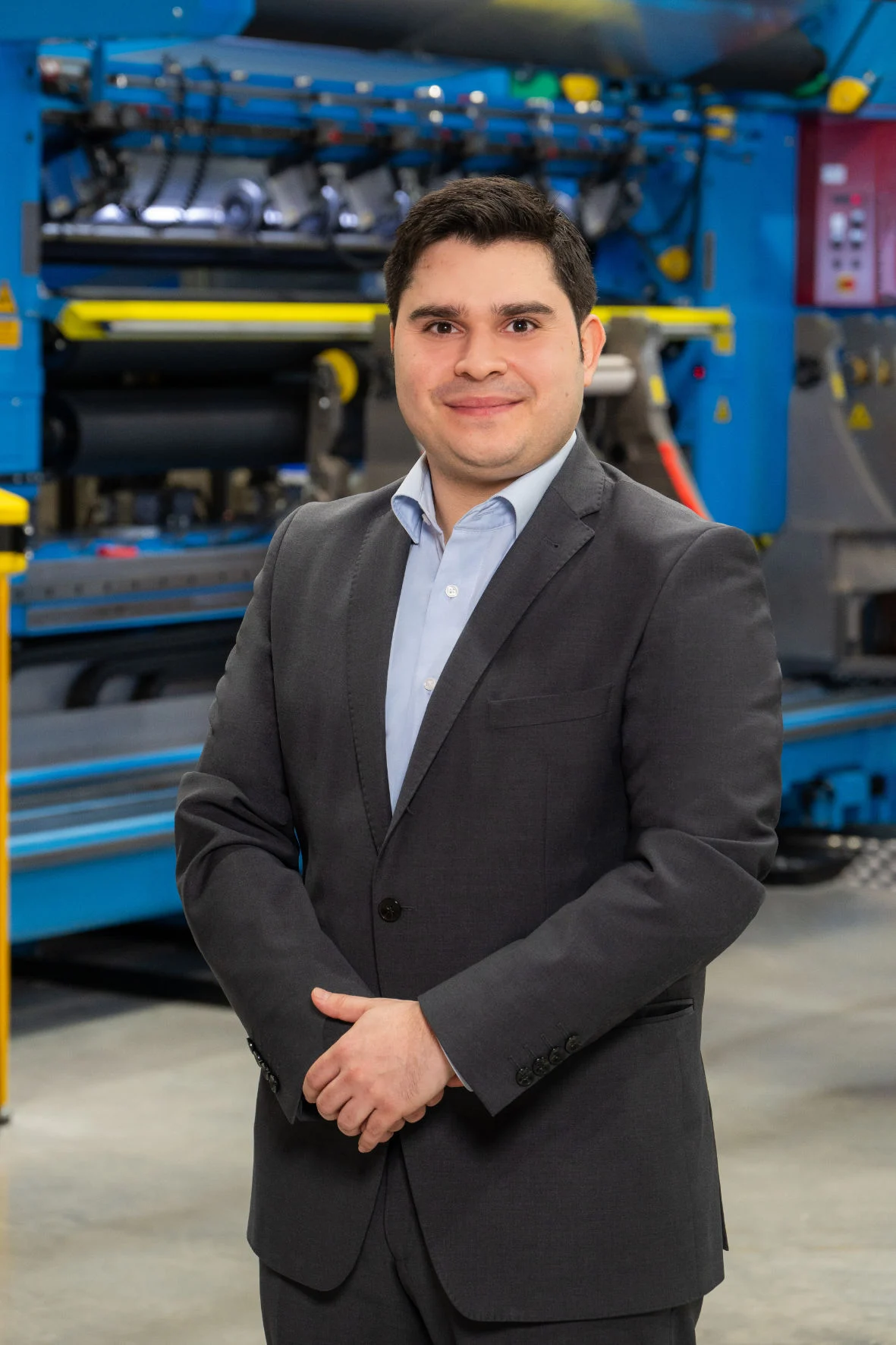
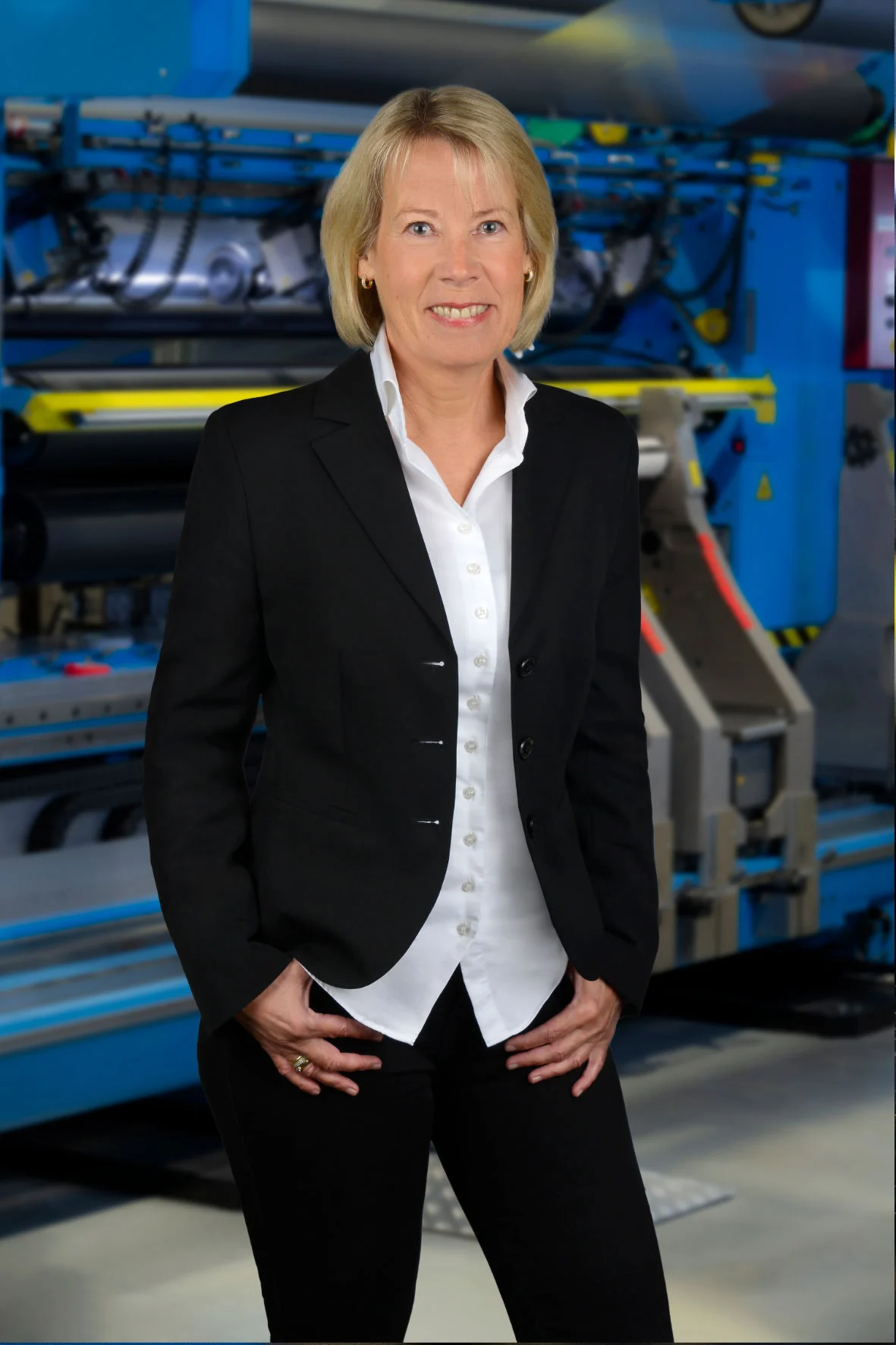
For Medical Technology, these colleagues are your dedicated contacts, from the first question to series delivery.
Inquire directly
You have a medical technology task? We have the solution.
Describe the substrate, application and format. We will get back to you promptly.
Disclaimer: The technical data, properties and areas of application stated on this page are based on information from our suppliers and on typical empirical values. They do not constitute guaranteed specifications. Production-related deviations, further developments or changes to product properties are possible at any time. Whether a film type is actually suitable for a specific purpose must be verified on a case-by-case basis. That is exactly what the Pütz Method is for: together we clarify the requirements and provide samples for your own tests. Before placing an order, please explicitly ask us about availability and current specifications. All information is provided without guarantee.
Frequently asked questions
Good to know.
Which films are used in medical technology?
Commonly used materials are PET and BOPET films (such as Hostaphan®, Melinex® or Mylar®), polycarbonate and polyimide films. The selection depends on requirements such as transparency, heat resistance, sterilizability and the regulatory environment. Since several materials are possible for many applications, application-specific advice is recommended.
Which film is suitable for applications with high cleanliness requirements?
One example is Hostaphan® RN MEDA: a transparent PET film produced under high cleanliness and with identical formulations for each production run, registered in an FDA Drug Master File (Type III, packaging). According to the manufacturer, the user must check suitability for the specific application – we support you with samples and documentation.
Which material properties are particularly important for medical technology applications?
Depending on the application: dimensional stability and low shrinkage for printed or die-cut parts, defined optical values for imaging and analytics, mechanical strength for stressed components and reproducible chemical composition for regulated applications. For Hostaphan® RN MEDA, for example, shrinkage (150 °C, 15 min) in thicknesses of 12–23 µm is 1.4% in the machine direction and 0.1% in the transverse direction.
Which films are suitable for biosensors and printed sensors?
Heat-stabilized polyester films are often used for printed sensors because they remain dimensionally stable at the drying temperatures of the printing process. The manufacturer expressly recommends Melinex® ST507 for silver conductor applications, and it is UL-registered.
How can particles be avoided in film converting?
Low-particle results come from clean cutting processes, suitable tools, adjusted cutting speeds and a controlled processing environment. Which combination makes sense depends on the material and further processing – we check this for your application and provide samples.
How is the dimensional stability of film components ensured?
Through the combination of a suitable material (such as heat-stabilized films with defined shrinkage behavior), precise slitting and die-cutting processes and ongoing quality inspection. For critical applications, we document the relevant values for each batch.
How does Pütz Folien support the development of new products?
Following the Pütz Method: understand the application, select the material neutrally, develop the converting, provide prototypes, secure series production. Small quantities and samples are expressly part of the offering – especially in early development phases.
When is co-engineering worthwhile for medical technology applications?
Whenever the film is critical to function: with tight tolerances, unusual geometries, new material combinations or regulatory requirements. Involving a film specialist early avoids later rounds of changes to material and tools.
Which requirements apply to films in regulated markets?
At the core: traceable, consistent material composition, documented quality and reliable supply chains. Manufacturer registrations – such as an FDA Drug Master File in the example of Hostaphan® RN MEDA – make qualification easier; application-specific testing remains the responsibility of the party placing the product on the market.
How quickly can prototypes be produced?
That depends on material and availability. As a converter with our own warehouse and contacts to several manufacturers, we can often provide samples and small quantities at short notice – contact us with your requirement, and we will give you a concrete time frame.