Film type · Substrat-Spoke
Polystyrene biaxially oriented PS.
Crystal-clear, biaxially stretched polystyrene film in print quality for labels, displays and cards.
Overview
What is Polystyrene?
Polystyrene film is a printing substrate with distinctive optical quality: crystal clear, very glossy and dimensionally stable. The manufacturer describes the type we carry as a crystal-clear, highly biaxially oriented film made of pure polystyrene, expressly in print quality.
Biaxially oriented means that the film was stretched in both directions after extrusion, following the same principle as BOPET, only with a different polymer. Polystyrene has a lower density than polyester and a significantly lower density than rigid PVC. For the same area and thickness, a polystyrene film therefore weighs noticeably less.
The film is stiff but brittle rather than tough, and its elongation at break is low. Its continuous heat resistance is limited, and polystyrene is not suitable for warm applications. Untreated, its surface tension is low, so pretreatment is required for many printing processes.
Technical valuesProperties
Eigenschaften von Polystyrene.
PlatzhalterInput Vertrieb
Worauf kommt es bei Polystyrene in der Praxis an? Bitte im Review dieser Seite stichpunktartig notieren. Daraus entsteht der Text für diesen Abschnitt. Zahlenwerte stehen nur in der Tabelle darunter.
Technical data
Technical values, from–to.
| Property | Value | Unit |
|---|---|---|
| Density | 1.05 | g/cm³ |
| Tensile strength | from 69 | MPa |
| Shrinkage | up to 1.0 | % |
| Thickness range | 100–250 | µm |
The values are ranges across all types. We select the right type for your application together with you.
We are happy to provide product-specific technical data for particular film types on request.
Variants
Polystyrene variants: a selection from the portfolio.
One type in print quality is documented. Other grades exist on the market; we request the documentation for them from the manufacturer as needed.
Industries in which Polystyrene is typically used
Use by industry.
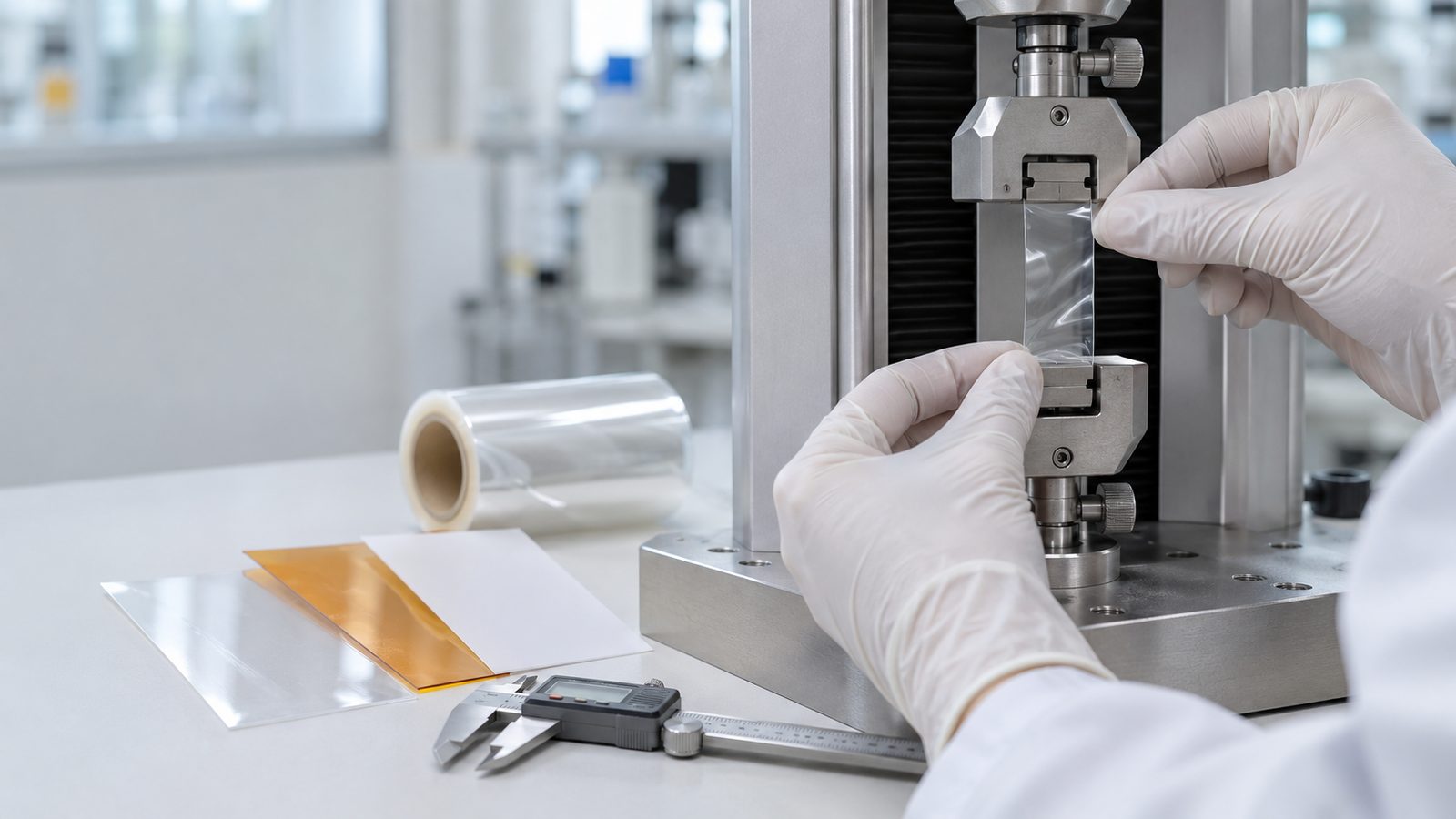
Public Sector, Education and Research
View industry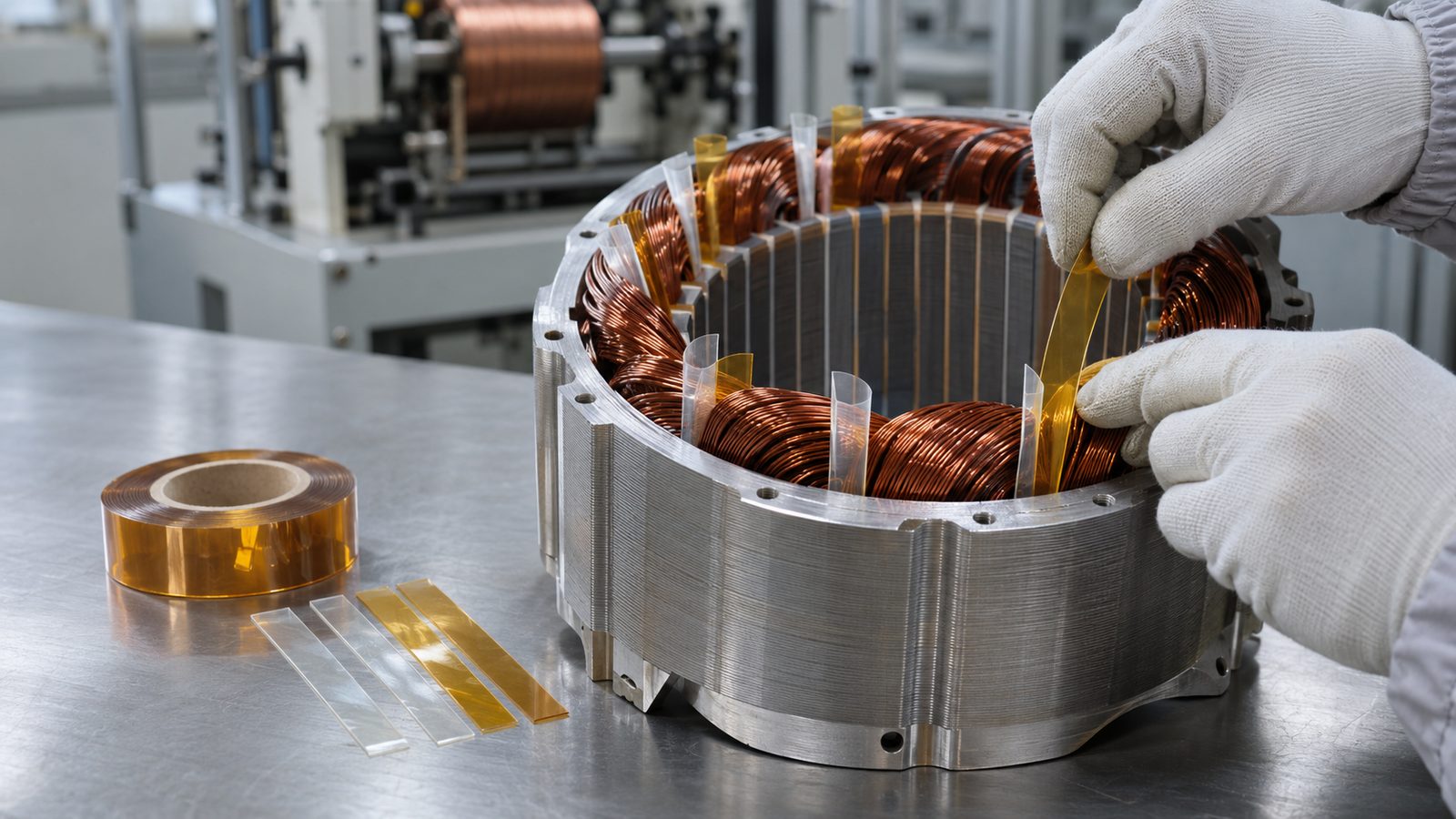
Electrical and Electronics Industry
View industry
Food and Beverage Industry
View industry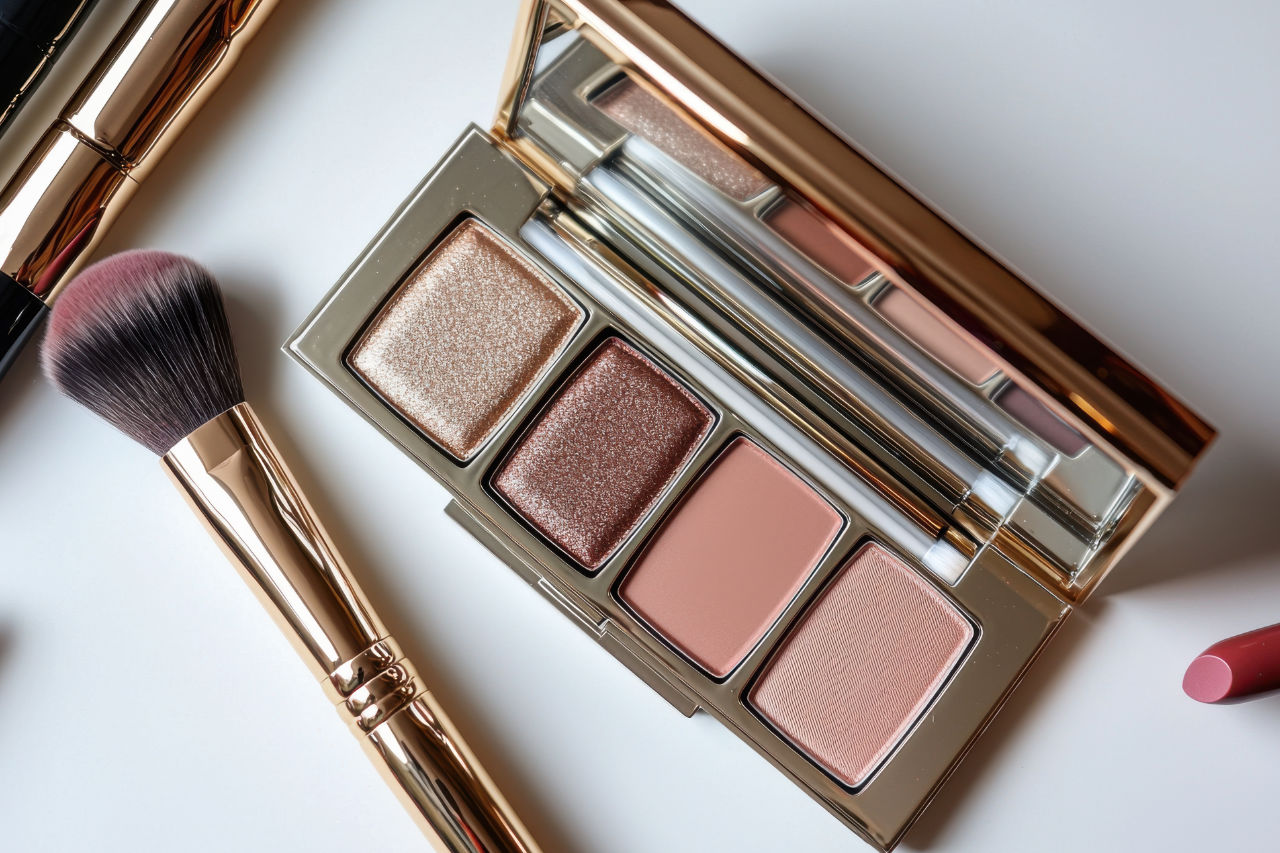
Cosmetics and Personal Care Industry
View industry
Furniture Industry and Interior Fit-Out
View industry
Paper, Paperboard and Board Industry Including Finishing
View industry
Printing and Media Industry Including Print Finishing
View industry
Packaging Industry
View industryDenkbar, im Einzelfall zu prüfen
Chemische Industrie und Kunststoffindustrie · Energieversorgung und Umweltwirtschaft · Medizintechnik · Pharmaindustrie · Textil-, Bekleidungs- und Lederindustrie · Sportartikel- und Spielwarenindustrie · Verteidigungs- und Sicherheitsindustrie · Finanz- und Versicherungsdienstleistungen
Für diese Branchen ist Polystyrene aus verwandten Anwendungen abgeleitet und nicht aus einer bestehenden Zuordnung übernommen. Ob das Substrat zu Ihrer konkreten Anwendung passt, klären wir vor einer Zusage. So beschreibt es die Pütz-Methode.
Converting at Pütz
Converting at Pütz.
You receive polystyrene films as rolls or as sheets and cut-to-size sheets. For your own material, we take care of toll converting.
The low elongation at break affects slitting: brittle films need sharp tools and adjusted web tension, otherwise edge chipping occurs. We take this into account when planning the order.
Consulting
Consulting according to the Pütz Method.
We are happy to work out together with you which Polystyrene film suits your application, following the Pütz Method.
It starts with clarifying your requirements, not with a product suggestion. The Pütz Method describes the process in nine steps.
Inquire directly
Your inquiry about Polystyrene.
You receive Polystyrene converted, finished and slit to your requirements: converting, finishing and toll converting.
Prefer to talk directly? Your contacts:
Juan Gomez
Sales & Project Management
T+49 6128 964-330 M+49 151 14964300 @juan.gomez@puetz-folien.com
Michael Büttner
Sales & Project Management
T+49 6128 964-315 M+49 160 8964315 @michael.buettner@puetz-folien.com
Kevin Winkelmann
Sales & Project Management
T+49 6128 964-305 M+49 176 11964305 @kevin.winkelmann@puetz-folien.comDisclaimer: The technical data, properties and areas of application stated on this page are based on information from our suppliers and on typical empirical values. They do not constitute guaranteed specifications. Production-related deviations, further developments or changes to product properties are possible at any time. Whether a film type is actually suitable for a specific purpose must be verified on a case-by-case basis. That is exactly what the Pütz Method is for: together we clarify the requirements and provide samples for your own tests. Before placing an order, please explicitly ask us about availability and current specifications. All information is provided without guarantee.
Frequently asked questions
Good to know.
What is polystyrene film?
A crystal-clear, highly biaxially oriented film made of pure polystyrene in print quality. Biaxially oriented means that it was stretched in both directions after extrusion, following the same principle as BOPET, only with a different polymer.
What is polystyrene film used for?
The manufacturer lists self-adhesive and inserted labels, in-mold labeling, displays, tags, transparencies as well as temporary ID cards and other graphic applications.
How heat-resistant is polystyrene film?
Its continuous heat resistance is limited; the manufacturer defines it by low shrinkage during prolonged heat storage. The material is not suitable for warm applications. We are glad to tell you the limit value in a personal conversation.
Is polystyrene film approved for food contact?
The manufacturer does not state anything on this for this type, so we make no statement. If you need this information, we request it before delivery.