
Industry · Entwurf · Vertriebsfreigabe offen
Films for financial and insurance services. A card is a film structure.
A payment card consists of several film layers that are laminated, printed and personalized. Pütz Folien supplies the substrates for them, along with tamper-evident security labels.
Several layers, always secure.
Credit cards and security labels often need a multilayer film structure because different layers take on different functions: stability, printability, protection and counterfeit resistance, for example. Combining several materials and structures also makes it possible to integrate optical or technical security features that are difficult to copy.
The second application is security and tamper-evident labels: materials that are destroyed when someone tries to remove them, or that leave a visible trace. We supply both converted: as sheet goods in card format or as roll material for label production.
Fields of application
Applications in the Financial and Insurance Services. With hands-on support.
The Pütz classification lists three fields of application for this sector.
Credit and payment cards
Film materials for card construction: core films, overlays and print layers. Each of the substrates used in these multilayer laminates fulfills specific functions and, as a whole, forms a functional security concept.
Mono cards
Single-layer card materials for simpler applications: loyalty cards, ID cards, access cards. Printability and dimensional stability are the criteria here.
Security and tamper-evident labels
Label materials that make a removal attempt visible. Whether tamper-evident labels (VOID labels), electronic article surveillance labels or warranty and seal stickers: you receive the right substrate for your product.
Suitable films from the Pütz portfolio
Suitable substrates for this industry. We make the selection with you.
Card structures are based mainly on films made of PVC (polyvinyl chloride) and polyester. For security labels, materials with defined destruction behavior are also options.
| Substrate | Typical use in this industry | |
|---|---|---|
| Rigid PVCcalendered rigid PVC film | Core films and overlays in classic card construction | Substrate page → |
| Hostaphan®BOPET polyester film, biaxially oriented polyethylene terephthalate | Dimensionally stable layers and carrier films in the laminate | Substrate page → |
| PET rigid filmAPET (amorphous polyethylene terephthalate) · GPET (glycol-modified polyethylene terephthalate) · GAGPET | Polyester-based card structures | Substrate page → |
| Polystyrenebiaxially oriented polystyrene (PS) | Printable sheet goods for simpler card applications | Substrate page → |
You will find an overview of all materials under Film Types & Substrates.
Typical challenges
What matters in this industry.
Card and security applications call for attention to several important points.
Tolerances in the laminate
Every single layer fulfills a function. Each film is subject to tight tolerances and has to be manufactured and converted precisely.
Personalizability
Sensitive applications in embossing, laser technology or thermal transfer place high demands on film quality.
Flatness
A flat profile across the entire card ensures function, for example in the card reader.
Reproducible security behavior
"Zero tolerance" for seals: precision and functionality are required here.
Standards
Card formats and thicknesses are standardized, not negotiable.
Long-term availability
Issue cycles run for years with the same structure.
Why Pütz Folien
Development partner. From the first sample to series production.
In a laminate, the sum of the tolerances is what counts. You receive the individual layers with the dimensional accuracy the structure needs: ± 1 mm as standard, down to ± 0.05 mm for specialties.
More than 65 years of experience in film converting.
For more than six decades, we have been converting and finishing films. All customers benefit, directly or indirectly, from this experience with tight tolerances and documented processes.
One portfolio for almost every requirement.
From technical specialty films to material composites and individual converting solutions: as a converter for several manufacturers, we offer a wide range of options and give neutral advice on which film suits your application.
Individual development for your application.
Every application is different. We adapt material, converting, quality requirements and services to your requirements, including small quantities and special formats. Because successful projects also depend on collaboration, we value clear contacts, fast response times and pragmatic solutions.
The Pütz Method
Together to the right film. In nine steps.
Which film is right for your application depends on your specific requirements. That is exactly what the Pütz Method is for: from the first question through samples and testing to series delivery. Folio shows how it works.
The Pütz Method in detail
-

I know what the film has to do. But which film is the right one?
1 Starting point
-
Don’t worry, Dr. Meier! That is exactly what the Pütz Method is for.
2 Getting started
-
First, we clarify all the important requirements together.
- Application
- Properties
- Material
- Dimensions
- Processes
- Quantity
- Quality
3 Clarifying requirements
-
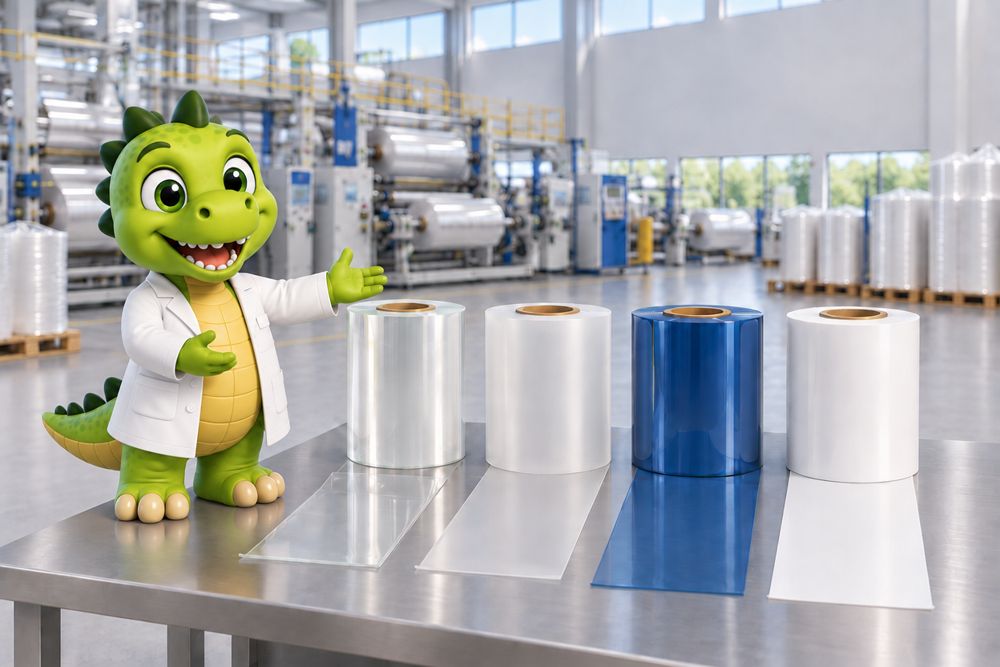
On this basis, we propose suitable film solutions to you.
4 Proposed solution
-
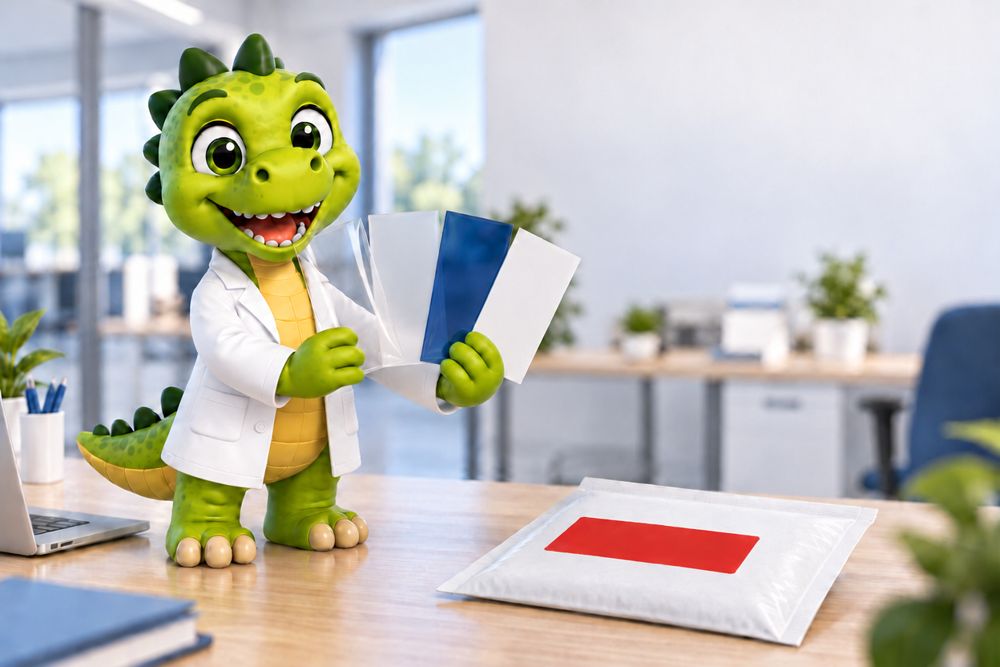
If needed, you receive samples, sample rolls or cut-to-size sheets to test for your application.
Samples
5 Samples
-
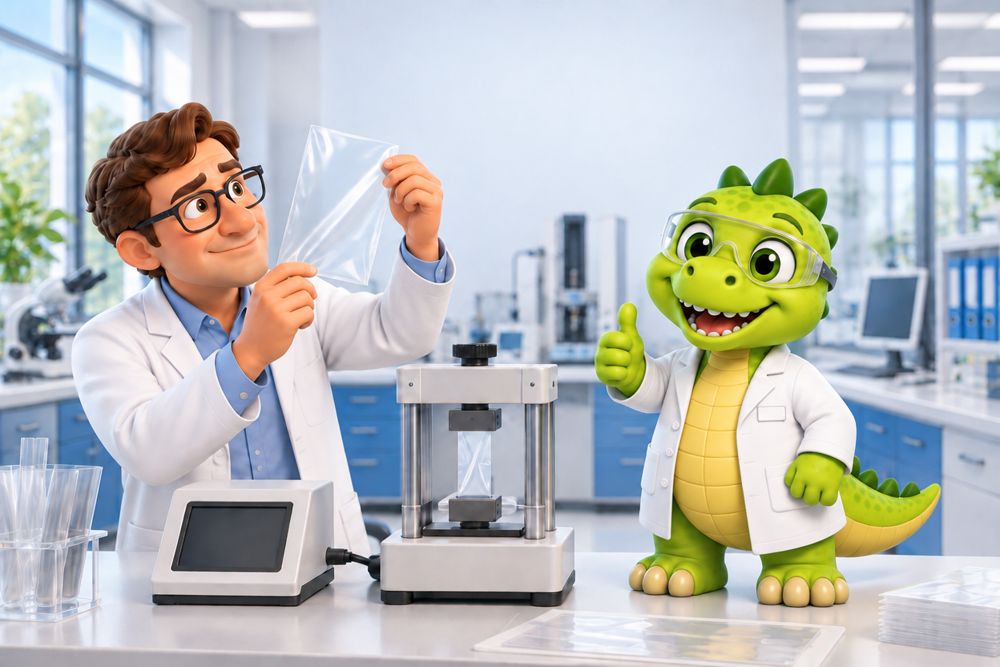
You test the film samples. We discuss the results together.
6 Testing and evaluation
-
After the successful test phase, you receive a suitable quotation. Together, we find the best solution for you.
Quotation
- Material
- Dimensions
- Quantity
- Delivery time
- Price
7 Quotation
-
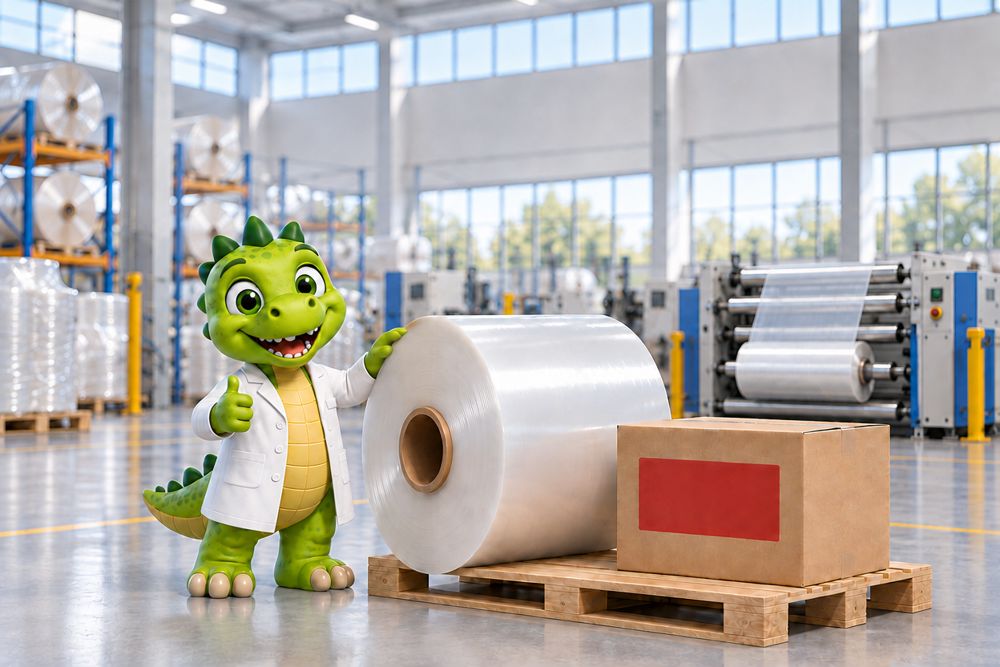
On request, we deliver a pilot quantity or pre-series for final testing under real production conditions.
Pilot quantity
8 Pilot quantity
-
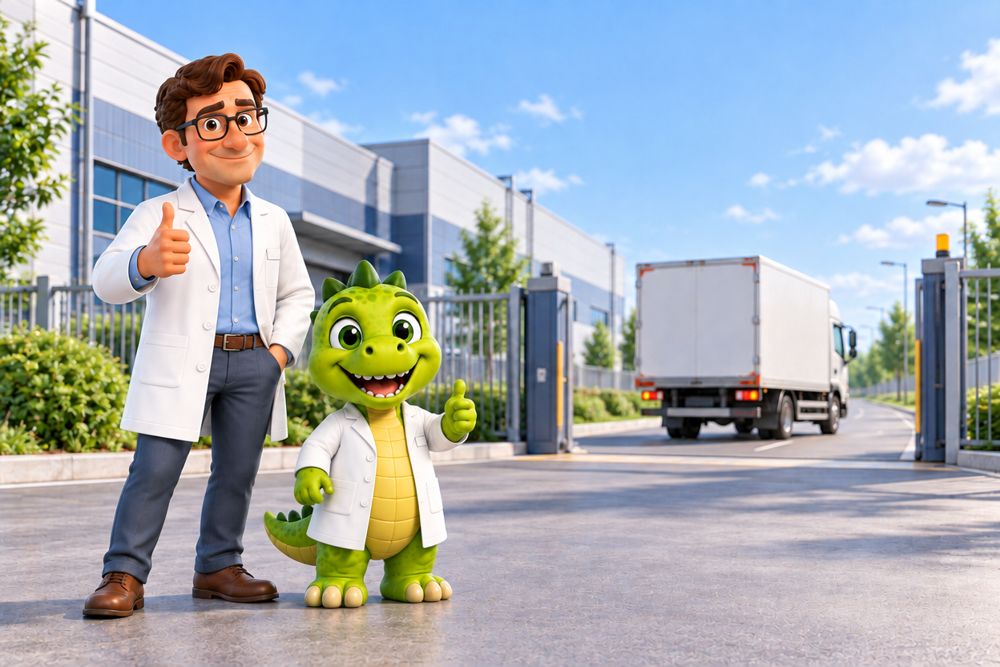
After approval, we reliably deliver your series goods. And even after that, we remain your partner for further optimization.
9 Series and partnership
Your contacts
Your application. Our next step.
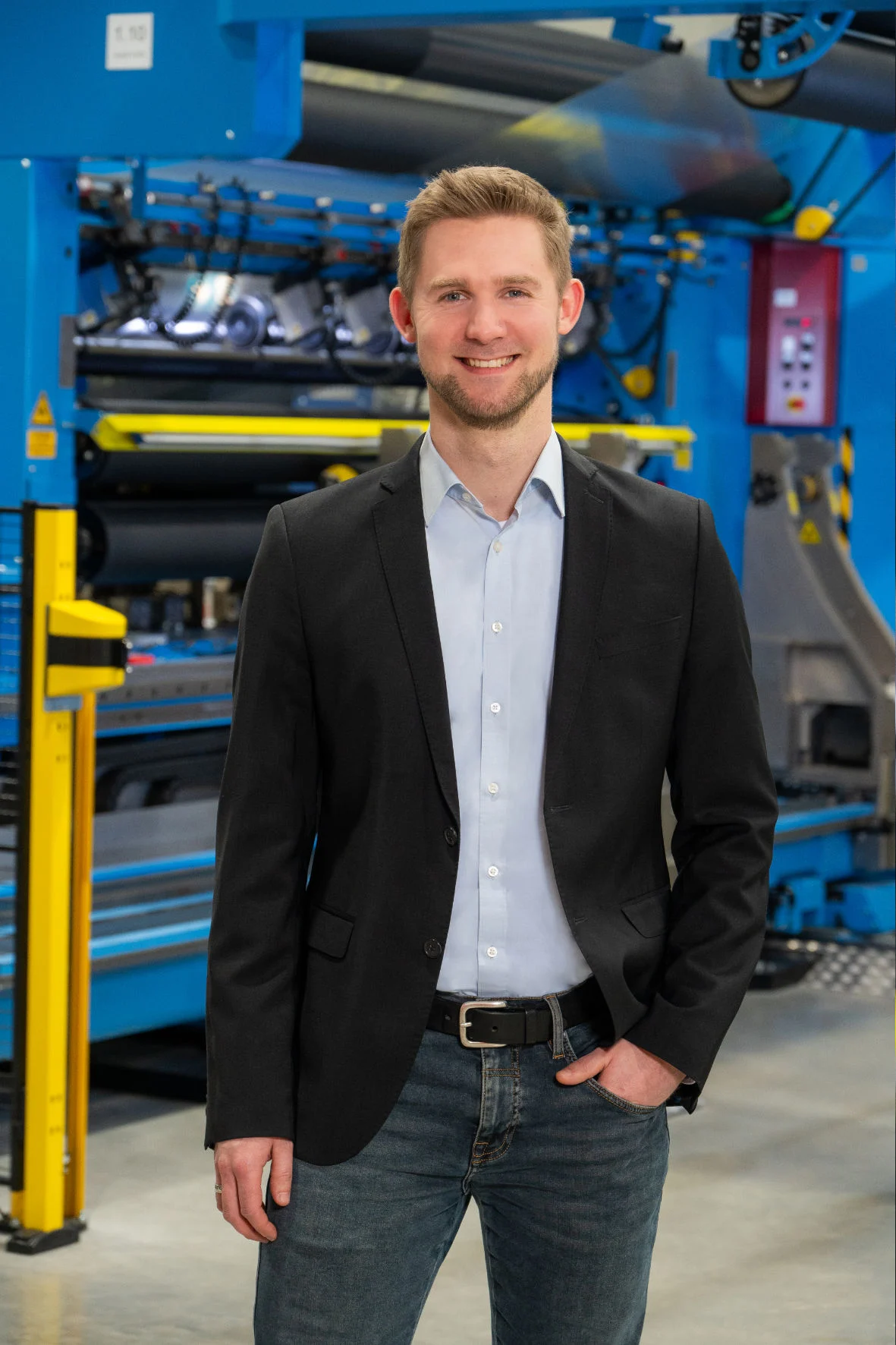
For Financial Services & Insurance, this colleague is your dedicated contact, from the first question to series delivery.
Inquire directly
A card or security application? Let’s talk about it.
Describe the substrate, application and format. We will get back to you promptly.
Disclaimer: The technical data, properties and areas of application stated on this page are based on information from our suppliers and on typical empirical values. They do not constitute guaranteed specifications. Production-related deviations, further developments or changes to product properties are possible at any time. Whether a film type is actually suitable for a specific purpose must be verified on a case-by-case basis. That is exactly what the Pütz Method is for: together we clarify the requirements and provide samples for your own tests. Before placing an order, please explicitly ask us about availability and current specifications. All information is provided without guarantee.
Frequently asked questions
Good to know.
Which films are used for payment cards?
Mainly rigid PVC films for core and overlay, and increasingly polyester-based structures. Which combination fits depends on the laminating process, the personalization method and the applicable standards for format and thickness.
How precisely can you maintain the thickness?
The thickness tolerance is a property of the type supplied and is stated in the manufacturer documentation. What we influence during converting is the width tolerance: ± 1 mm as standard, down to ± 0.05 mm for specialties. For laminate structures, please tell us the overall tolerance you need to achieve.
Do you supply sheet goods in card format?
Yes. We produce cut-to-size sheets with edge lengths from 19 to 1,800 mm, also as die-cut contours. We can handle the multi-up formats common in card production.
Which materials are suitable for tamper protection?
Materials with defined destruction or residue behavior when someone tries to remove them. Reproducibility is decisive. That is why the starting point is a test on your substrate, not a material selection from the catalog.