Industry · Entwurf · Vertriebsfreigabe offen
Films for the chemical and plastics industry. Above all as a release layer.
Wherever something is cured, vulcanized or coated, you need a surface that nothing sticks to. In chemical and plastics processing, release films are process materials. Their properties determine the surface quality and the scrap rate of the end product.
The release layer goes. The surface quality stays.
Release films have a demanding role: they are removed at the end and are supposed to leave nothing behind. For this to work, three things have to come together: a finish that does not transfer silicone to the part; heat resistance that covers the entire process window; and a uniform surface that does not imprint itself on the part. What is purchased as a consumable ultimately determines surface quality.
Then there are the applications in which the film itself is the product: carrier material for coatings, membranes for separation processes, test films for paint and surface inspection. Pütz Folien supplies for both cases, converted to the working width of your equipment.
Fields of application
Applications in the Chemical and Plastics Industry. With hands-on support.
The Pütz classification lists six fields of application for the chemical and plastics industry.
Release for fiber composite processes
Release films for curing fiber composite parts. They must withstand the process temperature, conform over the full surface and release without residue, without altering the part surface.
Release for rubber and elastomer processes
Release layers in vulcanization and elastomer processing. Here, heat resistance and release performance determine whether the part comes out of the mold cleanly. Process films also play an important role in material testing on the rheometer: as a release layer, they make testing rubber and elastomer samples easier and contribute to a clean, reproducible process.
Coating
Carrier films for coating processes. The surface of the film shapes the surface of the coating. Roughness, pretreatment and flatness are therefore not secondary factors.
Membranes and separation
Substrates for membrane and separation applications. What is required is uniform thickness, defined porosity or tightness depending on the process, and chemical resistance to the media used.
Plastics processing and molded parts
Films as semi-finished products for thermoforming, die-cutting and forming processes. Processing behavior, thermoformability and recovery behavior depend on material and thickness.
Paint and surface testing
Test films for assessing paints and coatings. They need a reproducible, defined surface so that test results remain comparable.
Suitable films from the Pütz portfolio
Suitable substrates for this industry. We make the selection with you.
For release and process applications, polyester, polyolefins and, for high temperatures, polyethylene naphthalate and polyimide are options. Which combination of material, finish and thickness fits depends on the application.
| Substrate | Typical use in this industry | |
|---|---|---|
| Hostaphan®BOPET polyester film, biaxially oriented polyethylene terephthalate | Carrier films and siliconized release types | Substrate page → |
| Kapton®polyimide | Release and insulation above 200 °C | Substrate page → |
| BOPPbiaxially oriented polypropylene | Release and protective layers in the medium temperature range | Substrate page → |
| Teonex®PEN film | Process applications above the PET range | Substrate page → |
| Polyamidecast nylon film (Dartek®) | Tough release film for demanding curing processes | Substrate page → |
You will find an overview of all materials under Film Types & Substrates.
Complete assignment: substrates and film types
The assignment shows which substrates are used in this industry. It does not say which one is right for your application. For almost every task, several films are options; which one fits depends on the specific requirement. The Pütz Method describes how we clarify this.
Typical challenges
What matters in this industry.
In chemical and plastics processing, the same questions about process films come up again and again.
No residue
No transfer that interferes with further processing or painting.
Process temperature
Resistance even at peak temperatures.
Surface replication
The film surface imprints itself on the part. Chosen deliberately, this becomes an advantage.
Chemical resistance
To resins, solvents and processing aids.
Working widths
Webs that fit the equipment instead of standard rolls that need rewinding.
Consumable costs
Process film runs in volume: trim waste has a direct impact.
Disposal and recycling
Process films become waste streams. We help develop suitable recycling concepts and recovery routes.
Why Pütz Folien
Development partner. From the first sample to series production.
Process films are often treated as consumables and yet determine surface quality. We select with you according to the process window – and thus according to what your equipment demands.
More than 65 years of experience in film converting.
For more than six decades, we have been converting and finishing films. All customers benefit, directly or indirectly, from this experience with tight tolerances and documented processes.
One portfolio for almost every requirement.
From technical specialty films to material composites and individual converting solutions: as a converter for several manufacturers, we offer a wide range of options and give neutral advice on which film suits your application.
Individual development for your application.
Every application is different. We adapt material, converting, quality requirements and services to your requirements, including small quantities and special formats. Because successful projects also depend on collaboration, we value clear contacts, fast response times and pragmatic solutions.
The Pütz Method
Together to the right film. In nine steps.
Which film is right for your application depends on your specific requirements. That is exactly what the Pütz Method is for: from the first question through samples and testing to series delivery. Folio shows how it works.
The Pütz Method in detail
-

I know what the film has to do. But which film is the right one?
1 Starting point
-
Don’t worry, Dr. Meier! That is exactly what the Pütz Method is for.
2 Getting started
-
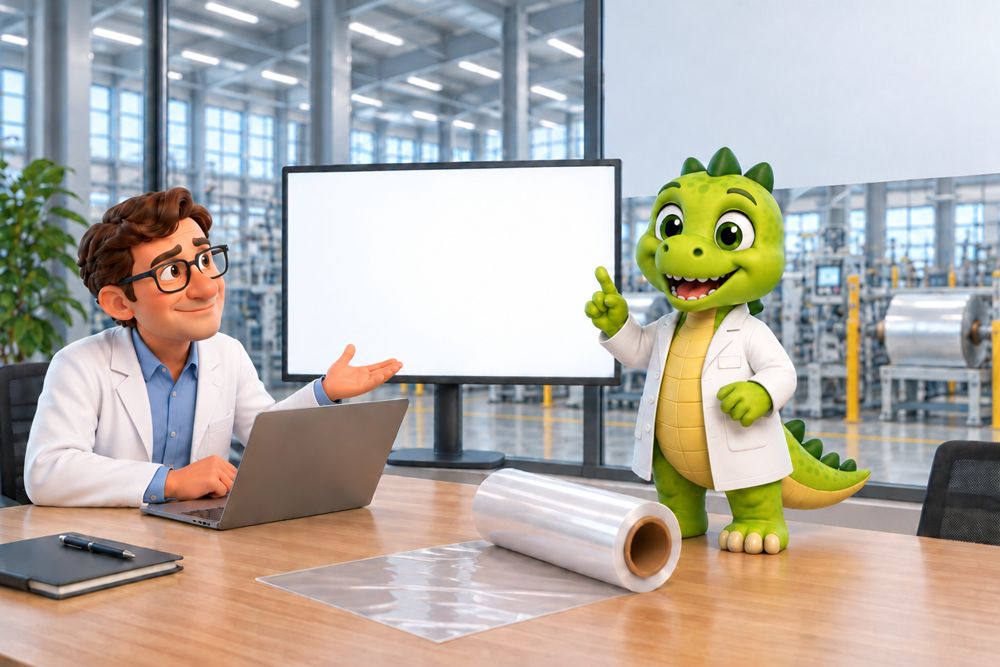
First, we clarify all the important requirements together.
- Application
- Properties
- Material
- Dimensions
- Processes
- Quantity
- Quality
3 Clarifying requirements
-
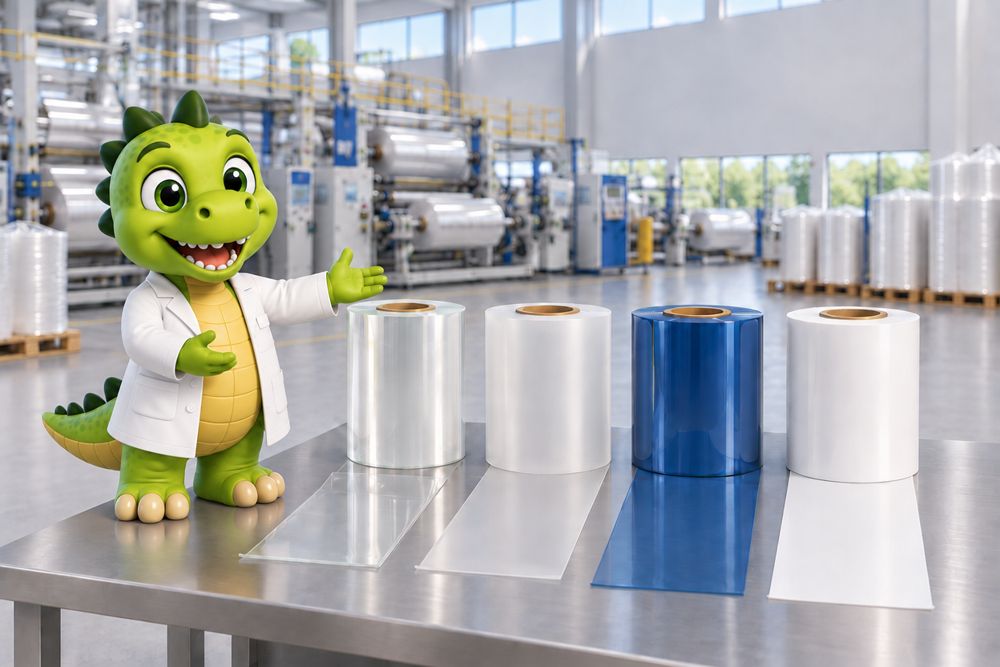
On this basis, we propose suitable film solutions to you.
4 Proposed solution
-
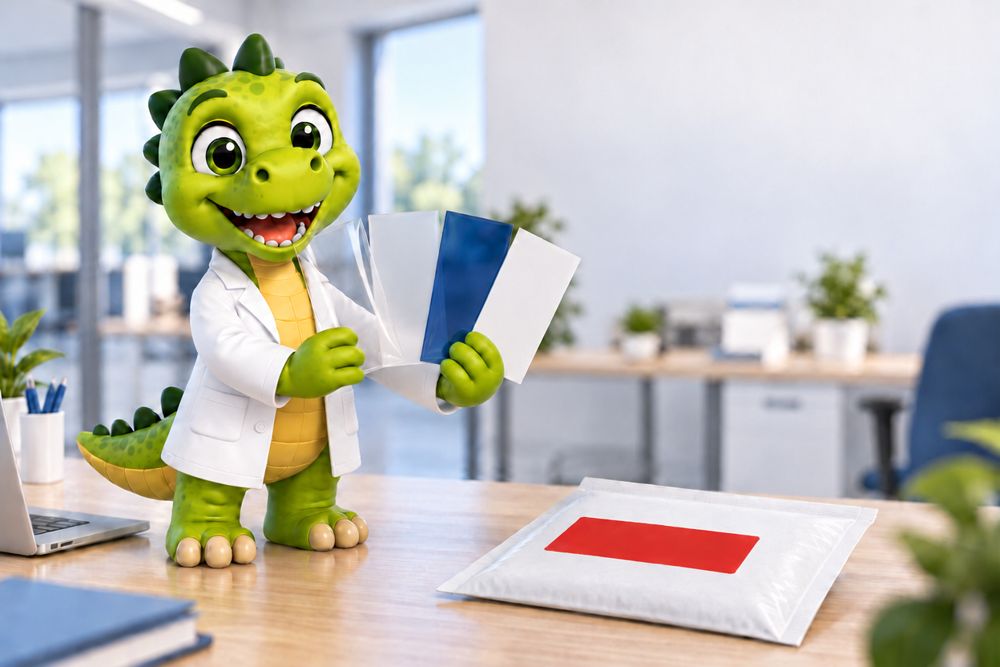
If needed, you receive samples, sample rolls or cut-to-size sheets to test for your application.
Samples
5 Samples
-
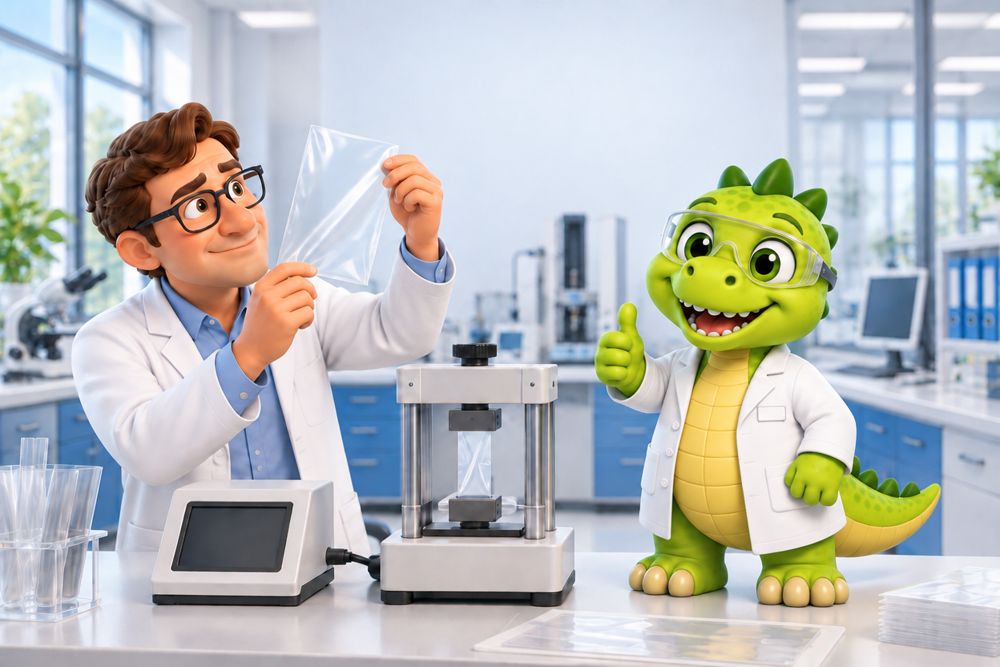
You test the film samples. We discuss the results together.
6 Testing and evaluation
-

After the successful test phase, you receive a suitable quotation. Together, we find the best solution for you.
Quotation
- Material
- Dimensions
- Quantity
- Delivery time
- Price
7 Quotation
-
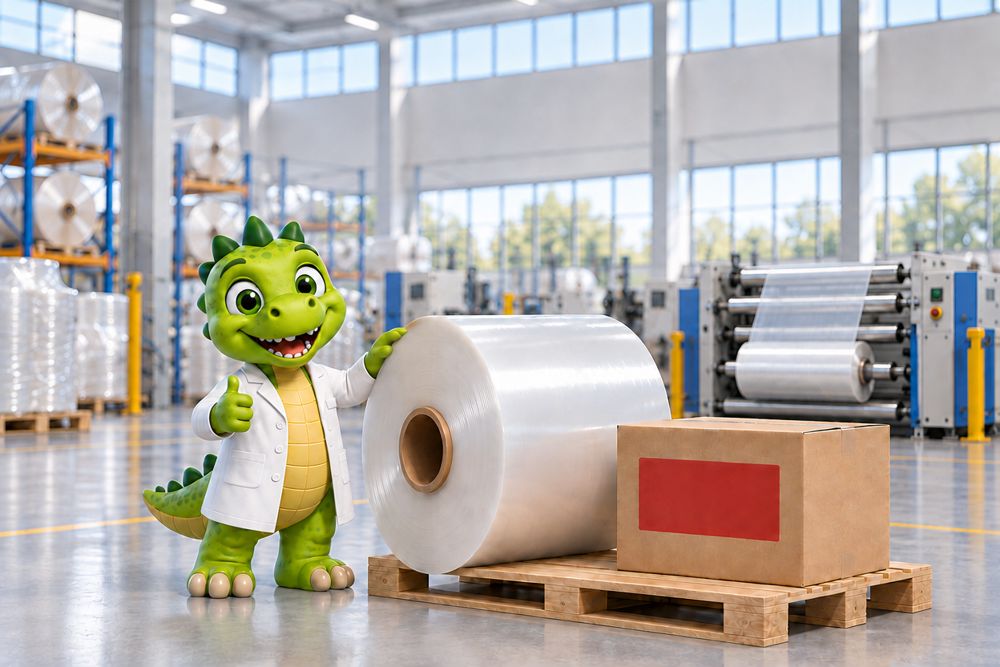
On request, we deliver a pilot quantity or pre-series for final testing under real production conditions.
Pilot quantity
8 Pilot quantity
-
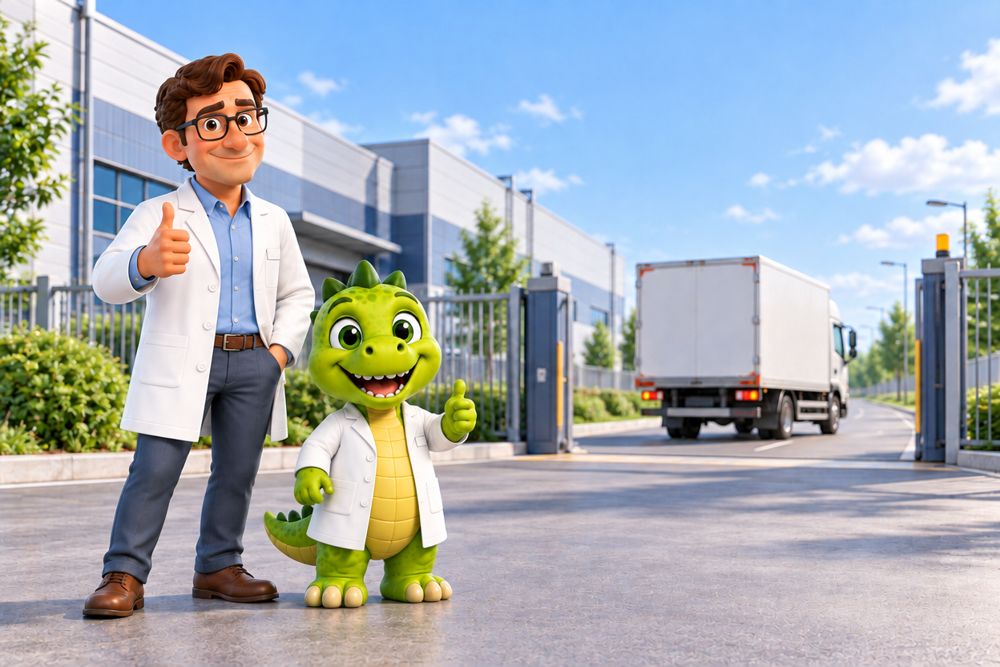
After approval, we reliably deliver your series goods. And even after that, we remain your partner for further optimization.
9 Series and partnership
Your contacts
Your application. Our next step.
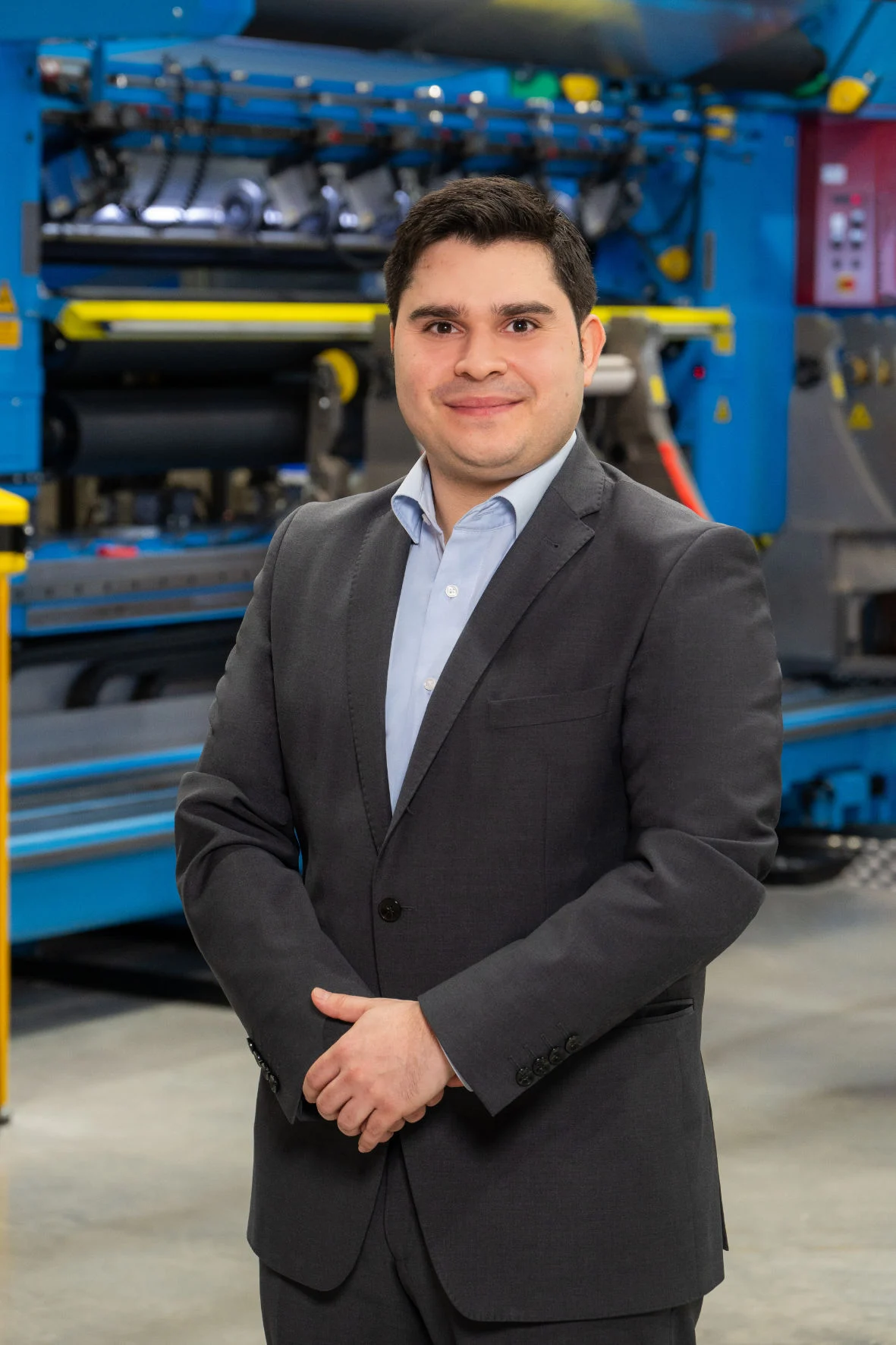
For Chemicals & Plastics, this colleague is your dedicated contact, from the first question to series delivery.
Inquire directly
A release or process task? Let’s talk about it.
Describe the substrate, application and format. We will get back to you promptly.
Disclaimer: The technical data, properties and areas of application stated on this page are based on information from our suppliers and on typical empirical values. They do not constitute guaranteed specifications. Production-related deviations, further developments or changes to product properties are possible at any time. Whether a film type is actually suitable for a specific purpose must be verified on a case-by-case basis. That is exactly what the Pütz Method is for: together we clarify the requirements and provide samples for your own tests. Before placing an order, please explicitly ask us about availability and current specifications. All information is provided without guarantee.
Frequently asked questions
Good to know.
Which film is suitable as a release film?
That depends on the process window: temperature, pressure, media and required release performance. Siliconized polyester films cover a large part; for high temperatures, polyimide films are an option, and for tough curing processes, cast polyamide films. There are several candidates for almost every task. A test in your process shows which one fits.
How do I avoid silicone transfer?
Silicone transfer is caused by the release film’s finish and affects painting and bonding. If your further processing is sensitive to it, please tell us right at the start. The material selection will then be different.
Up to what temperature can release films be used?
This varies considerably by material. Polyester films cover the medium range; polyimide films have no melting point and retain their strength far beyond it. The reliable values for each type are on the substrate pages.
In which working widths do you deliver?
From 4 to 2,500 mm in web width, with film thicknesses from 6 to 500 µm. You receive the webs converted to the width of your equipment, so no rewinding is necessary.
Do you also process our own material?
Yes, through toll converting. You supply the mother rolls, and we slit them to your specification. Before the first order, we clarify the delivery form, cores and how trim waste is handled.