Industry · Entwurf · Vertriebsfreigabe offen
Films for the automotive industry. From the battery module to the type plate.
Insulation in the battery module, release layers in the composite process, labeling that stays legible for many years: in modern vehicles, films take on tasks that hardly anyone sees and without which nothing works. Pütz Folien converts them for suppliers and OEMs in the format your line processes.
Inconspicuous in the vehicle. Critical in the component.
In vehicle manufacturing, films have become important components: they protect vehicles, make them lighter, more energy-efficient and more functional, and shield numerous parts from external influences.
Key applications include corrosion protection, paint protection and protective films, insulation and acoustic films, heat and sun protection films, decorative films, release materials, sealing films and barrier films in the batteries of electric vehicles.
Fields of application
Applications in the Automotive Industry. With hands-on support.
The automotive industry offers numerous fields of application for films. The Pütz classification provides suitable solutions for all of them.
Batteries and energy storage
Cell insulation, module separation and protective layers in the battery pack. What counts is dielectric strength at low thickness, heat resistance and dimensional stability. The film must be equally thick across the entire module surface; otherwise, the insulation distance shifts.
Cable systems, wiring harnesses and strands
Wrapping and insulation films for wiring harnesses, strands and single conductors. In addition to the electrical function, processability on high-speed wrapping equipment and stable physical properties of the films used are what matter here.
Vehicle labeling and type plates
Type plates, VIN markings and component labels that have to withstand oil, cleaning agents, UV radiation and temperature changes – over the entire life of the vehicle, not just until delivery.
Fiber composites
Release and vacuum bagging films for composite manufacturing. After curing, the film must release without residue and must not alter the component surface. This prevents visual defects.
Weld protection and masking
Covers that keep surfaces clear during welding, painting or coating. Clean contours, defined adhesion and residue-free removal are decisive, as cut-to-size sheets or die-cut parts in the required geometry. So-called process films are used in many areas of the automotive industry.
Printed circuits and flexible conductors
Carrier films for flexible conductors and printed circuits in the vehicle. Shrinkage behavior is decisive here: specially stabilized films help keep tolerances low and thus give electronic components a long service life.
Seat occupancy detection and sensors
Carrier material for interior sensors, such as seat occupancy detection. What is required is consistent thickness, a defined surface for the printing process and resistance to the temperature changes inside the vehicle.
11 more fields of application in this industry
Expand for details on each field.
Fuel cells and hydrogen cells
Carrier and release films in cell production for hydrogen-based drives. In addition to chemical resistance to the process media, dimensional stability in the stack matters. Thickness deviations add up across the cells.
Electronic components
Insulating, carrier and cover films in control units and sensors. The requirements match those of electronics manufacturing but are combined with the temperature and media conditions of the vehicle.
Color pigments and paints
Carrier films and test materials for paint and pigment applications. Comparable test results require a reproducible, defined surface.
Labeling and labels
Component and process labels in production. They must survive painting, cleaning and drying steps and still be machine-readable afterward.
Paint and surface lamination
Laminating films for painted and decorated interior surfaces. The film complements the appearance and protects the surface against abrasion.
Paint and surface testing
Test films for assessing paint systems. They need a consistent surface so that results remain comparable across batches.
Surface finishing
Finished film surfaces for visible components: gloss, matte, texture. Carried out by specialized partner companies; selection and converting stay with us.
Profiles and molded parts
Protective and functional films for plastic and metal profiles in the vehicle. With coated surfaces, matched adhesion is decisive: firm in transport, residue-free at assembly.
Tires and elastomers
Release and interleaving layers in tire and elastomer production. They prevent raw parts from sticking together and must peel off cleanly before further processing.
Rheometry and materials testing
Films for rheometric tests and material testing. Uniform thickness and a defined surface are prerequisites for reliable measurements here.
Vulcanization and elastomer processes
Release layers in vulcanization. Heat resistance and release performance determine whether the part comes out of the mold cleanly.
Suitable films from the Pütz portfolio
Suitable substrates for this industry. We make the selection with you.
Depending on the application, very different materials are possible for the automotive industry. The range extends from thin polyester film in the wiring harness to polyimide film, which has to withstand the high temperatures of an exhaust system without impairing its function. Our type program covers all areas of use.
| Substrate | Typical use in this industry | |
|---|---|---|
| Hostaphan®BOPET polyester film, biaxially oriented polyethylene terephthalate | Insulation, carrier film and labeling: widely usable variants in the vehicle | Substrate page → |
| Kapton®polyimide | Applications above 200 °C: labeling close to the engine, high-temperature insulation | Substrate page → |
| Tenolan®BOPET film | Technical polyester applications in series production | Substrate page → |
| Teonex®PEN film, polyethylene naphthalate | Where PET reaches its thermal or electrical limits | Substrate page → |
You will find an overview of all materials under Film Types & Substrates.
Complete assignment: substrates and film types
The assignment shows which substrates are used in this industry. It does not say which one is right for your application. For almost every task, several films are options; which one fits depends on the specific requirement. The Pütz Method describes how we clarify this.
Typical challenges
What matters in this industry.
Many questions and details arise that concern suppliers, processing and the use of films in the automotive industry. We have the right solution for much of it.
Consistent quality
For smooth processes during processing and in the application.
Tight tolerances
Highest precision with the tightest tolerances, enabling the best possible performance in the process.
Documentation
Traceable batches and material data for complete traceability: full transparency within the supply chain.
Temperature and media
Resistance to oil, cleaning agents, UV and temperature changes.
Development speed
Whether fast development cycles in electrification or reliable supply for model refreshes: our service supports rapid implementation.
Security of supply
Reliable quantities and delivery dates: efficiency through reliability.
Why Pütz Folien
Development partner. From the first sample to series production.
Film components and parts usually work out of sight and often account for only a tiny fraction of the cost. Yet their effect and performance are sometimes groundbreaking. We support our customers from the first sample roll to stable series production.
More than 65 years of experience in film converting.
For more than six decades, we have been converting and finishing films. All customers benefit, directly or indirectly, from this experience with tight tolerances and documented processes.
One portfolio for almost every requirement.
From technical specialty films to material composites and individual converting solutions: as a converter for several manufacturers, we offer a wide range of options and give neutral advice on which film suits your application.
Individual development for your application.
Every application is different. We adapt material, converting, quality requirements and services to your requirements, including small quantities and special formats. Because successful projects also depend on collaboration, we value clear contacts, fast response times and pragmatic solutions.
The Pütz Method
Together to the right film. In nine steps.
Which film is right for your application depends on your specific requirements. That is exactly what the Pütz Method is for: from the first question through samples and testing to series delivery. Folio shows how it works.
The Pütz Method in detail
-
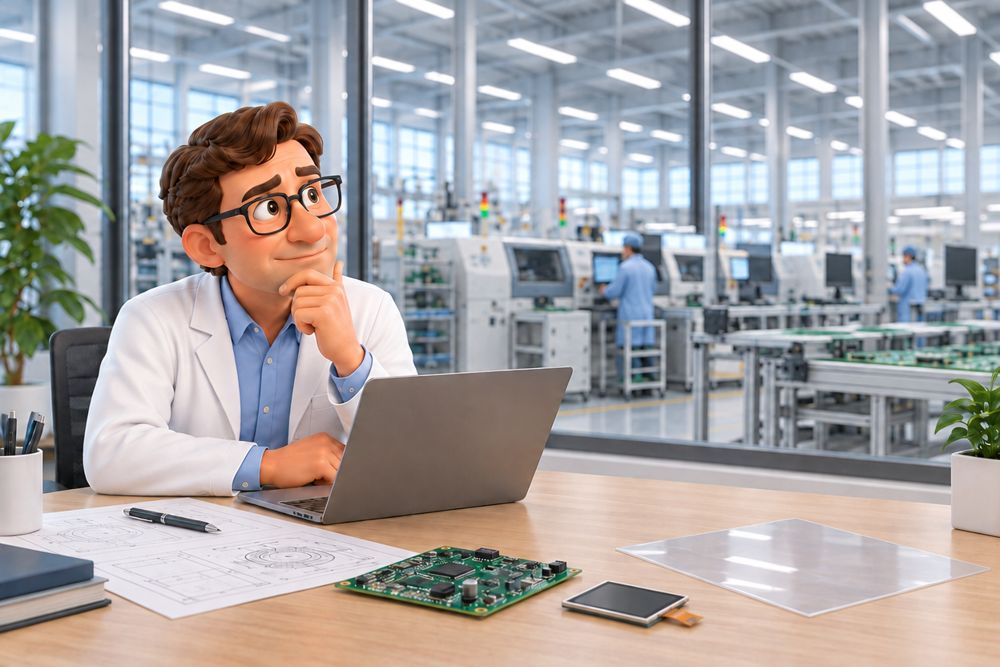
I know what the film has to do. But which film is the right one?
1 Starting point
-
Don’t worry, Dr. Meier! That is exactly what the Pütz Method is for.
2 Getting started
-
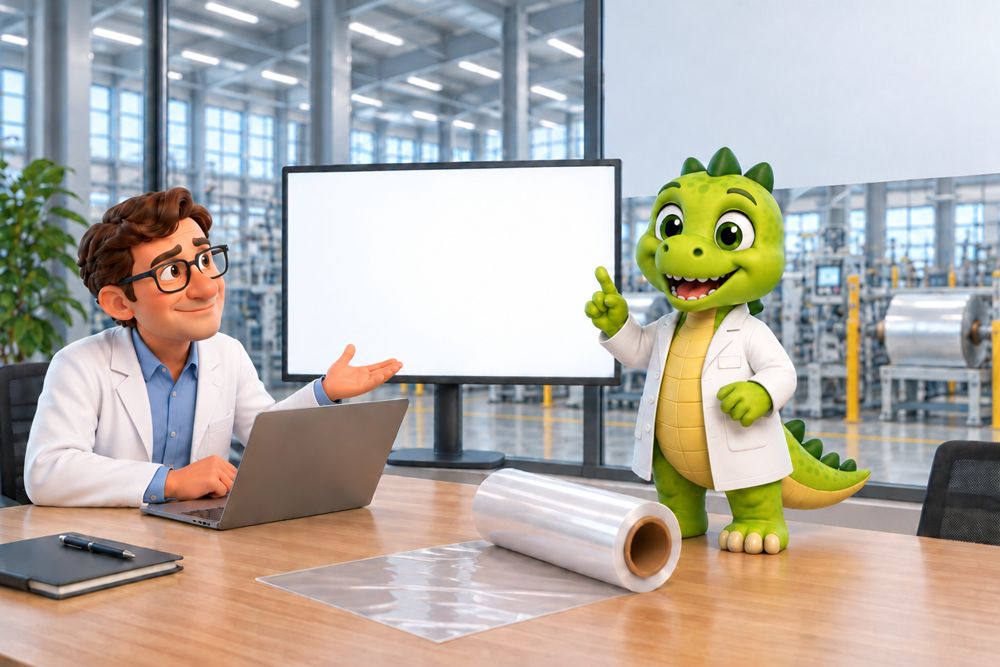
First, we clarify all the important requirements together.
- Application
- Properties
- Material
- Dimensions
- Processes
- Quantity
- Quality
3 Clarifying requirements
-
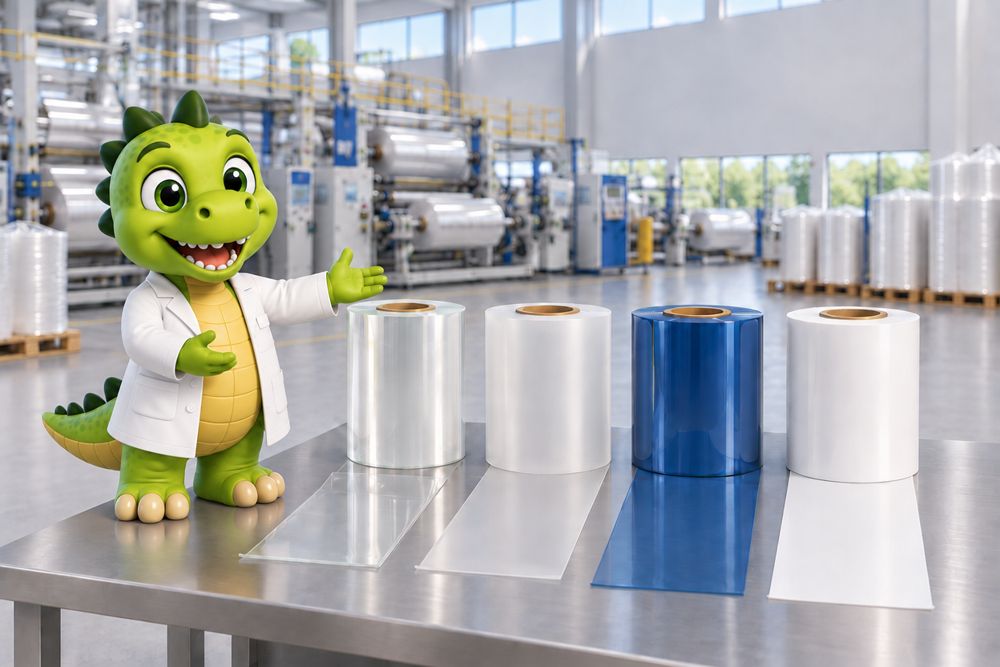
On this basis, we propose suitable film solutions to you.
4 Proposed solution
-
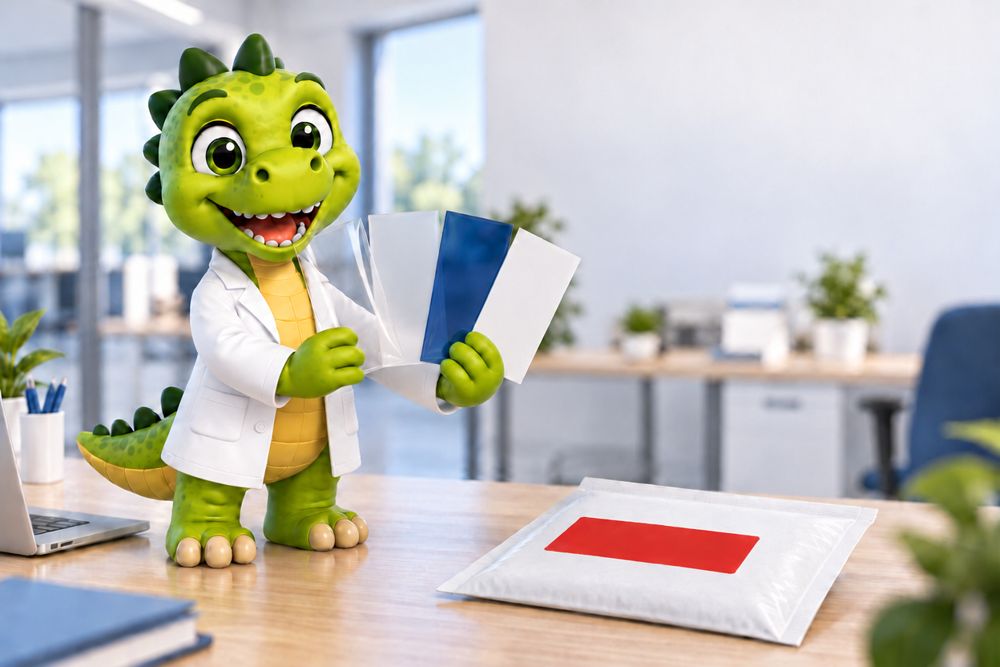
If needed, you receive samples, sample rolls or cut-to-size sheets to test for your application.
Samples
5 Samples
-
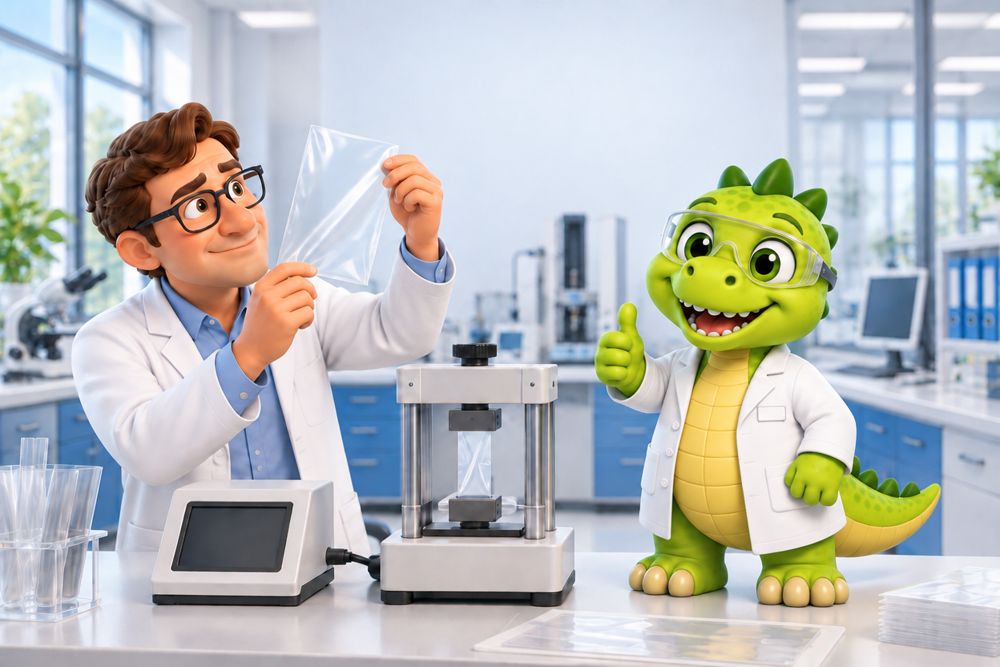
You test the film samples. We discuss the results together.
6 Testing and evaluation
-

After the successful test phase, you receive a suitable quotation. Together, we find the best solution for you.
Quotation
- Material
- Dimensions
- Quantity
- Delivery time
- Price
7 Quotation
-
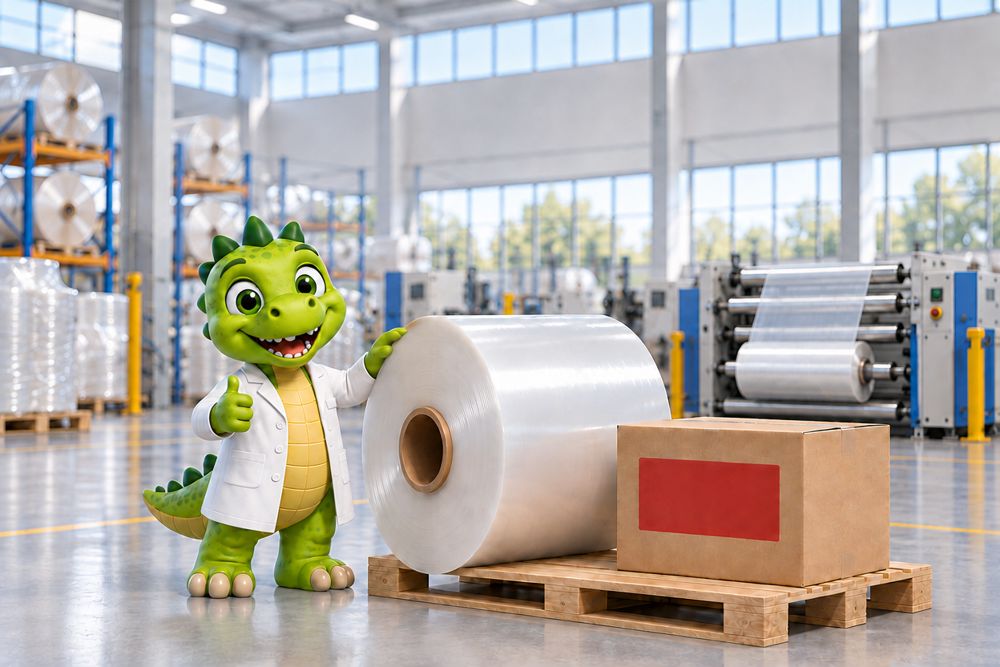
On request, we deliver a pilot quantity or pre-series for final testing under real production conditions.
Pilot quantity
8 Pilot quantity
-
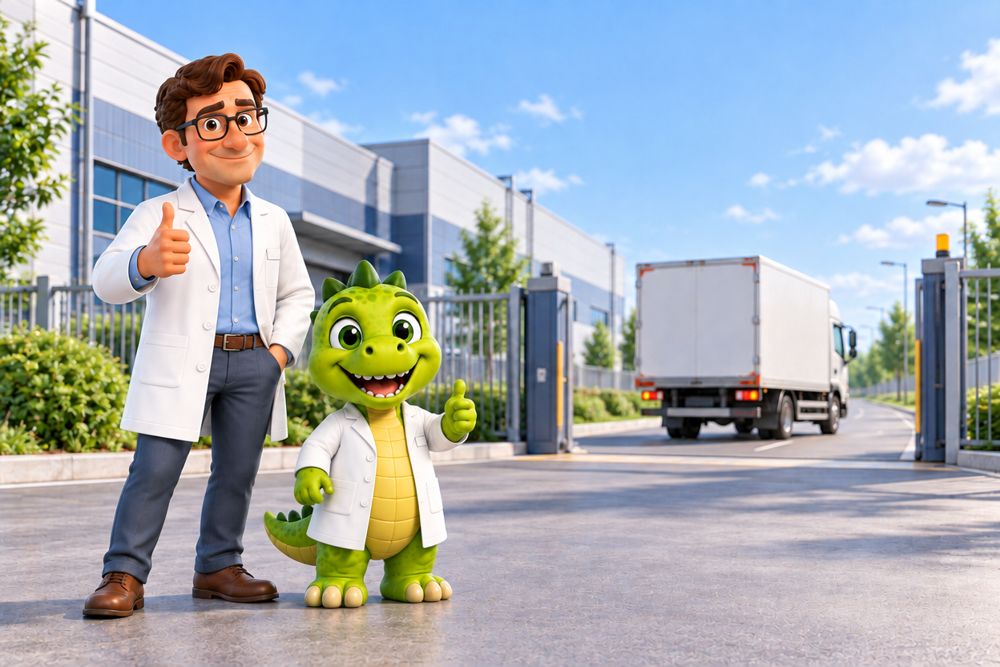
After approval, we reliably deliver your series goods. And even after that, we remain your partner for further optimization.
9 Series and partnership
Your contacts
Your application. Our next step.
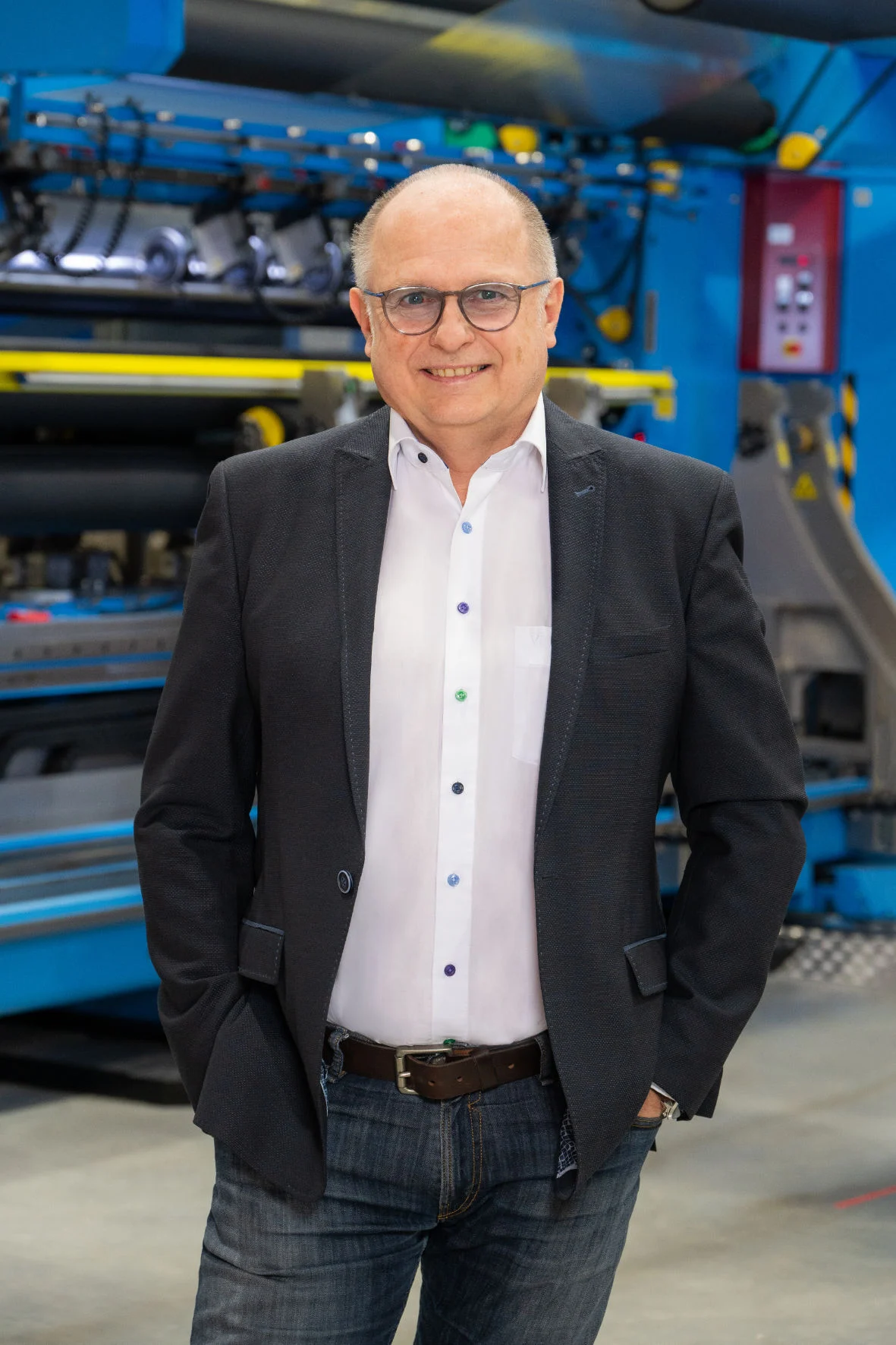
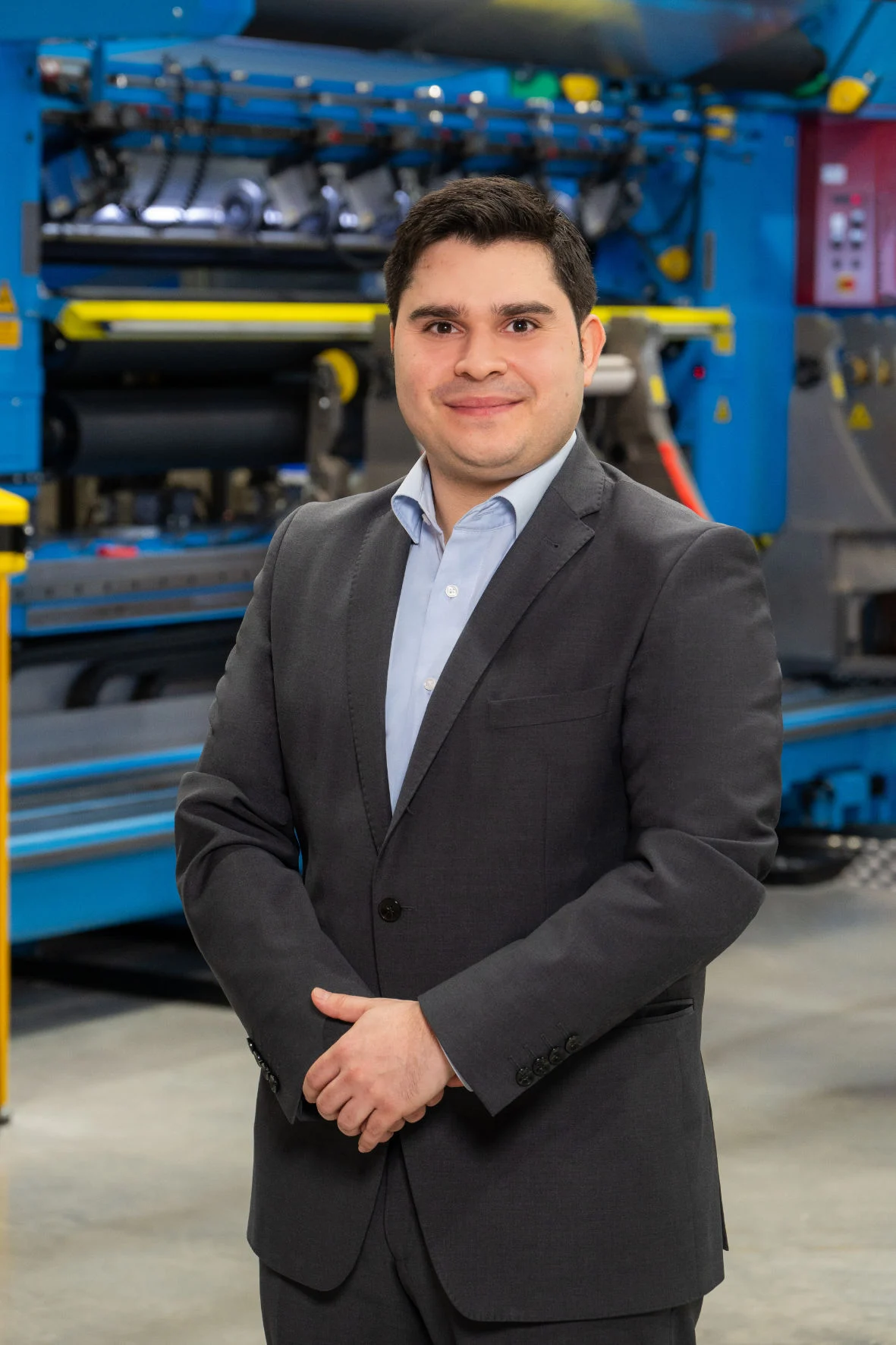
For Automotive, these colleagues are your dedicated contacts, from the first question to series delivery.
Inquire directly
A task in the vehicle? Let’s talk about it.
Describe the substrate, application and format. We will get back to you promptly.
Disclaimer: The technical data, properties and areas of application stated on this page are based on information from our suppliers and on typical empirical values. They do not constitute guaranteed specifications. Production-related deviations, further developments or changes to product properties are possible at any time. Whether a film type is actually suitable for a specific purpose must be verified on a case-by-case basis. That is exactly what the Pütz Method is for: together we clarify the requirements and provide samples for your own tests. Before placing an order, please explicitly ask us about availability and current specifications. All information is provided without guarantee.
Frequently asked questions
Good to know.
Which films are used in the automotive industry?
Very different ones, depending on the application: polyester films for insulation, carrier applications and labeling, polyimide films for applications above 200 °C, polyolefins and PVC (polyvinyl chloride) for protection and masking tasks. Several materials are possible for almost every task. The specific requirement decides which one fits.
Which film is suitable for insulation in battery modules?
What is required is dielectric strength at low thickness, thermal stability and uniform thickness across the surface. Polyester and polyimide films cover different temperature ranges. We clarify which combination of material and thickness meets your insulation distance on the basis of your design and provide samples for testing.
Can you supply die-cut parts in automotive series quantities?
Yes. You receive cut-to-size sheets and die-cut parts with edge lengths from 19 to 1,800 mm in small and large series. Before the first delivery, we clarify which tool is required and which batch size makes sense.
How do you document quality for supplier assessment?
We document the relevant values for each batch and provide the manufacturer documentation for the type supplied. We clarify in advance which evidence your supplier assessment requires. In our experience, documents that have to be provided after the fact are the most common point of friction.
How quickly can I get samples?
That depends on the material and availability. As a converter with our own warehouse and contacts to several manufacturers, we can often provide samples and small quantities at short notice. Tell us your requirement, and we will give you a concrete time frame.
Do you also process material supplied by us?
Yes, through toll converting. You supply the mother rolls, and we slit and wind them to your specification, with the same tolerance as for material from our portfolio: ± 1 mm as standard, down to ± 0.05 mm for specialty applications.