Industry · Entwurf · Vertriebsfreigabe offen
Films for machinery and plant engineering. Process material and component.
In machinery and plant engineering, films play two roles, among others: as consumables in the process (release layer in mold making, welding backing, abrasive carrier) and as components in the machine itself. Pütz Folien supplies both, converted to the working width of your equipment.
A consumable that determines process reliability.
Release films, welding backings and abrasive carriers rarely appear in the specification and yet determine yield. A release layer that releases cleanly brings the part out of the mold undamaged. A dimensionally stable welding backing maintains the seam geometry. Process material that suits the process therefore pays for itself across the number of parts.
The other half is films as components: filter media, doctor blade films in printing units, industrial labels that withstand oil and cleaning agents. What counts here is that the properties remain the same over the product life. A machine is built for years, and a change of material in the middle means requalification.
Fields of application
Applications in the Machinery and Plant Engineering. With hands-on support.
The Pütz classification lists fifteen fields of application for machinery and plant engineering. Seven are described in detail here; you will find the complete list below.
Tool and mold making
Release and process films in mold making. The film has to conform to the contour, withstand the process temperature and release without residue.
Welding backings and protective layers
Backings and covers for welding processes. What is required is heat resistance and dimensional stability at high temperatures. A film that contracts changes the seam geometry.
Die-cut parts and components
Die-cut film parts as gaskets, spacers, insulating parts or covers. You receive contours in small and large series; we clarify which tool is needed before the first delivery.
Filter construction and filter media
Carrier and support materials in filter construction. In addition to mechanical strength, chemical resistance to the filtrate and uniform material properties across the surface count.
Industrial labels and technical labeling
Type plates and machine labels that withstand oil, cleaning agents and temperature changes – over the life of the machine, not until delivery.
Printing press and printing unit components
Doctor blade films and functional parts in printing and coating units. Edge quality and dimensional stability directly determine the print result here.
Abrasives and surface processing
Carrier films for abrasives. They have to carry the coating, absorb tensile forces and remain flexible enough for the contour of the workpiece.
7 more fields of application in this industry
Expand for details on each field.
Laser and precision technology
Protective, masking and carrier films for laser and precision processing. Edge quality and dimensional stability directly determine the processing result.
Metalworking and surface protection
Protective films for sheet metal, profiles and machined metal surfaces. Matched adhesion is critical: firm during transport and processing, residue-free afterward.
Embossing and finishing machines
Process films in embossing and finishing equipment, for example as a carrier or release layer. Heat resistance and dimensional stability under pressure are the criteria here.
Pumps and fluid technology
Membranes, sealing and separating elements in pumps and fluid systems. Chemical resistance to the pumped medium comes first.
Rheometry and materials testing
Films for materials testing and rheometry. Uniform thickness and a defined surface are prerequisites for comparable measurements.
Shipbuilding and marine technology
Technical films for insulation, sealing and protecting components and surfaces. In marine use, lasting resistance to moisture, salt water, UV radiation and changing temperatures is decisive.
Materials testing and measurement technology
Test and reference films for materials testing and metrology. Reproducibility across batches is the real requirement here.
Suitable films from the Pütz portfolio
Suitable substrates for this industry. We make the selection with you.
In mechanical engineering, polyester is used for dimensionally stable applications, polyimide for high temperatures and tough specialty films for mechanically stressed release tasks.
| Substrate | Typical use in this industry | |
|---|---|---|
| Hostaphan®BOPET polyester film, biaxially oriented polyethylene terephthalate | Dimensionally stable carrier, release and labeling applications | Substrate page → |
| Kapton®polyimide | Process and labeling applications above 200 °C | Substrate page → |
| Polyamidecast nylon film (Dartek®) | Tough release film for mechanically stressed processes | Substrate page → |
| Valéron®HDPE cross-laminate | Tear-resistant protection and cover applications | Substrate page → |
You will find an overview of all materials under Film Types & Substrates.
Complete assignment: substrates and film types
The assignment shows which substrates are used in this industry. It does not say which one is right for your application. For almost every task, several films are options; which one fits depends on the specific requirement. The Pütz Method describes how we clarify this.
Typical challenges
What matters in this industry.
In machinery and plant engineering, the same questions about films come up again and again.
Process reliability
Consumables that help determine yield.
Long-term availability
The same type across the entire series: a change means requalification.
Small quantities
Special machine building often means batch sizes below one hundred.
Working widths
Webs that fit the equipment instead of standard rolls that need reworking.
Mechanical stress
Tensile forces, edge loading and abrasion in the running process.
Chemical resistance
Oils, coolants and cleaning agents over years.
Why Pütz Folien
Development partner. From the first sample to series production.
Whether process material or component: we convert to the working width of your equipment and also supply the small batch sizes that special machine building needs.
More than 65 years of experience in film converting.
For more than six decades, we have been converting and finishing films. All customers benefit, directly or indirectly, from this experience with tight tolerances and documented processes.
One portfolio for almost every requirement.
From technical specialty films to material composites and individual converting solutions: as a converter for several manufacturers, we offer a wide range of options and give neutral advice on which film suits your application.
Individual development for your application.
Every application is different. We adapt material, converting, quality requirements and services to your requirements, including small quantities and special formats. Because successful projects also depend on collaboration, we value clear contacts, fast response times and pragmatic solutions.
The Pütz Method
Together to the right film. In nine steps.
Which film is right for your application depends on your specific requirements. That is exactly what the Pütz Method is for: from the first question through samples and testing to series delivery. Folio shows how it works.
The Pütz Method in detail
-

I know what the film has to do. But which film is the right one?
1 Starting point
-
Don’t worry, Dr. Meier! That is exactly what the Pütz Method is for.
2 Getting started
-
First, we clarify all the important requirements together.
- Application
- Properties
- Material
- Dimensions
- Processes
- Quantity
- Quality
3 Clarifying requirements
-
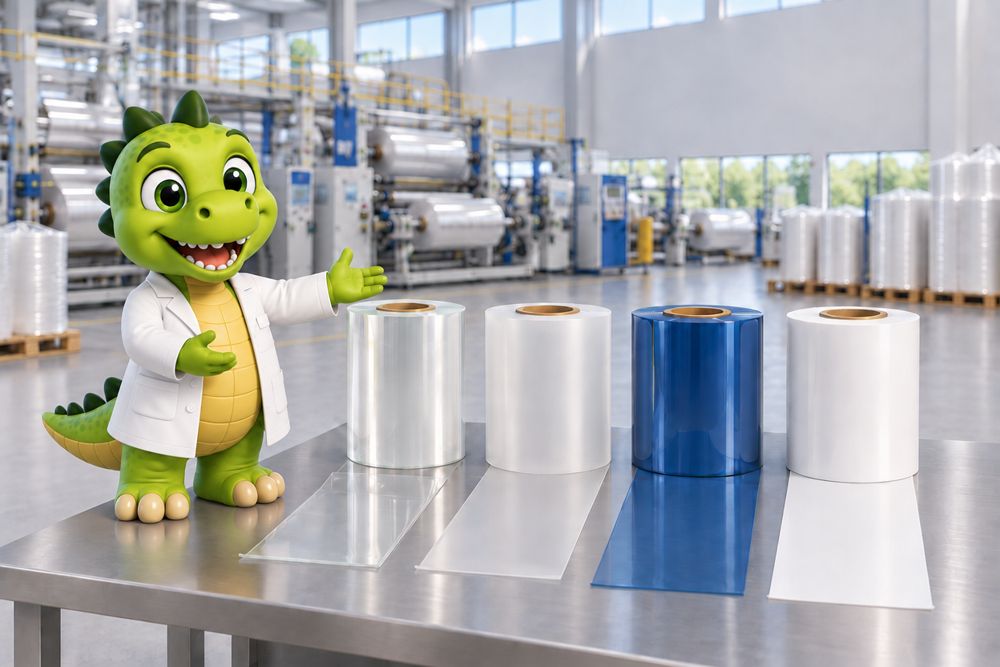
On this basis, we propose suitable film solutions to you.
4 Proposed solution
-
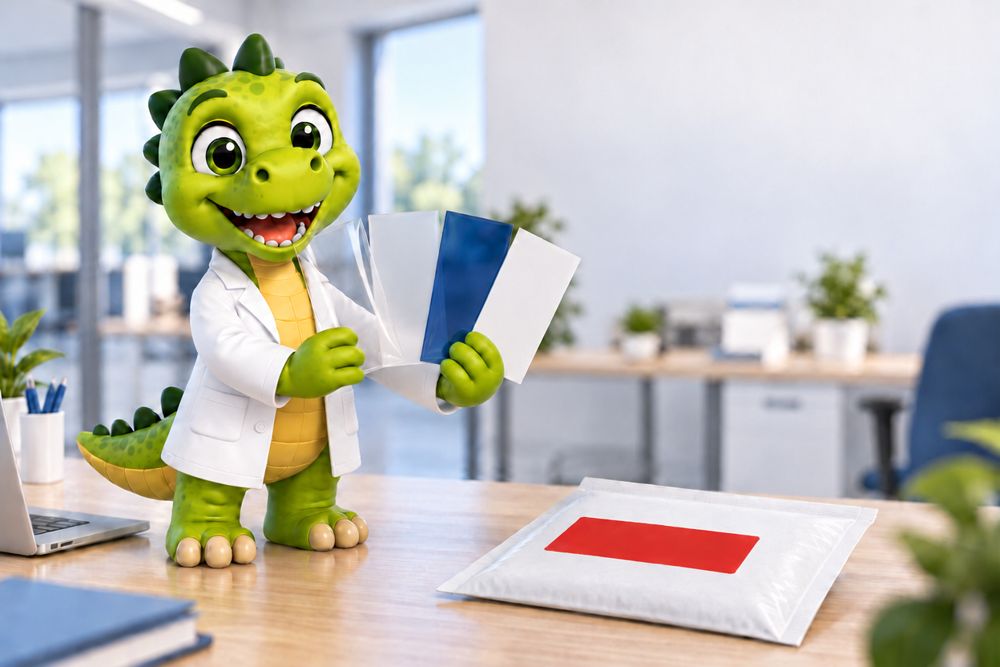
If needed, you receive samples, sample rolls or cut-to-size sheets to test for your application.
Samples
5 Samples
-
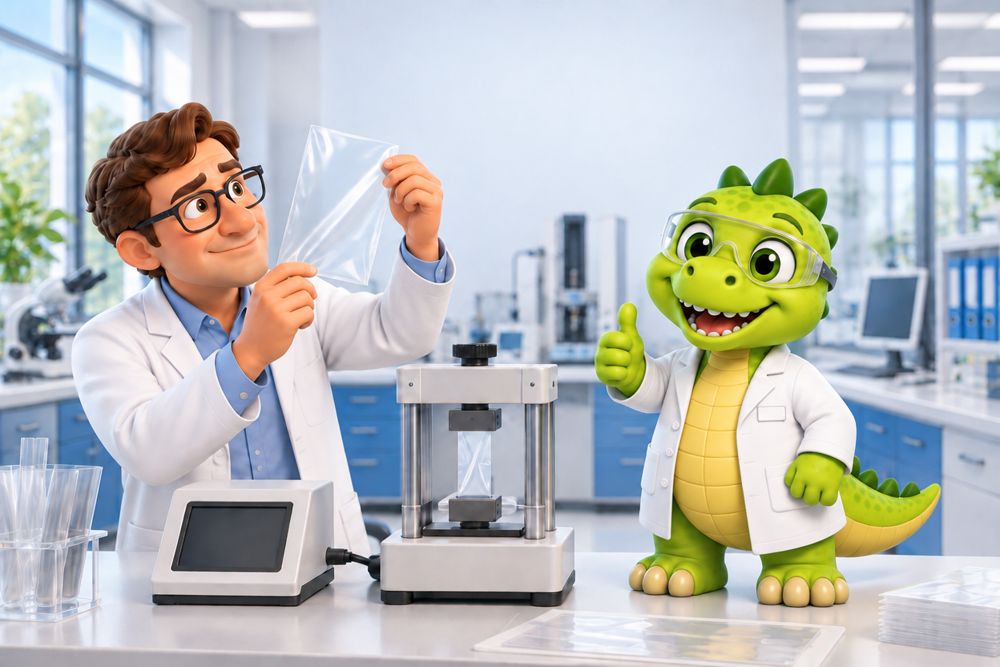
You test the film samples. We discuss the results together.
6 Testing and evaluation
-

After the successful test phase, you receive a suitable quotation. Together, we find the best solution for you.
Quotation
- Material
- Dimensions
- Quantity
- Delivery time
- Price
7 Quotation
-
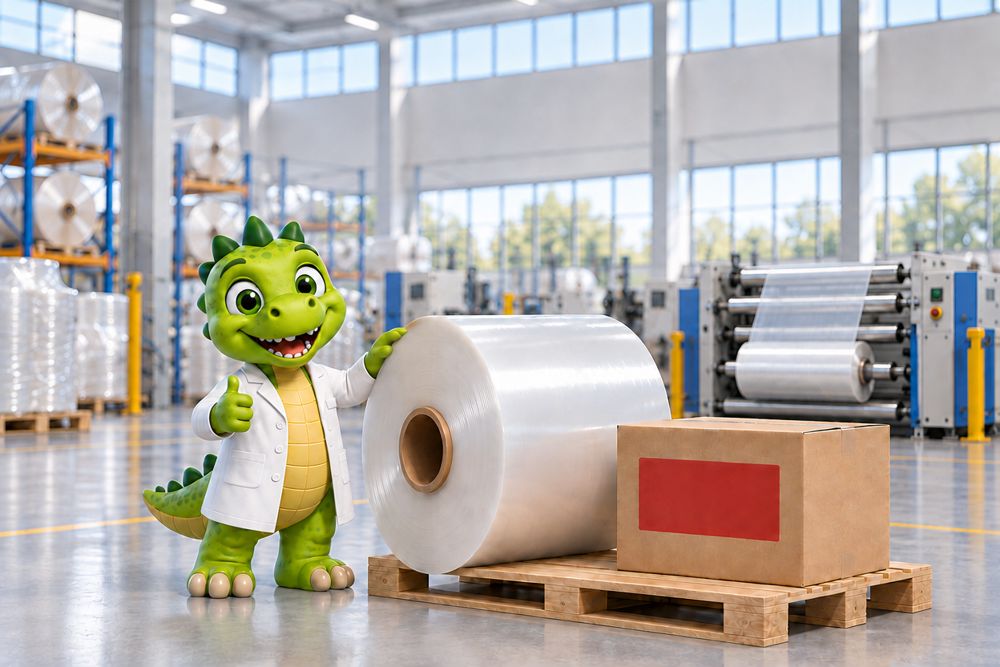
On request, we deliver a pilot quantity or pre-series for final testing under real production conditions.
Pilot quantity
8 Pilot quantity
-
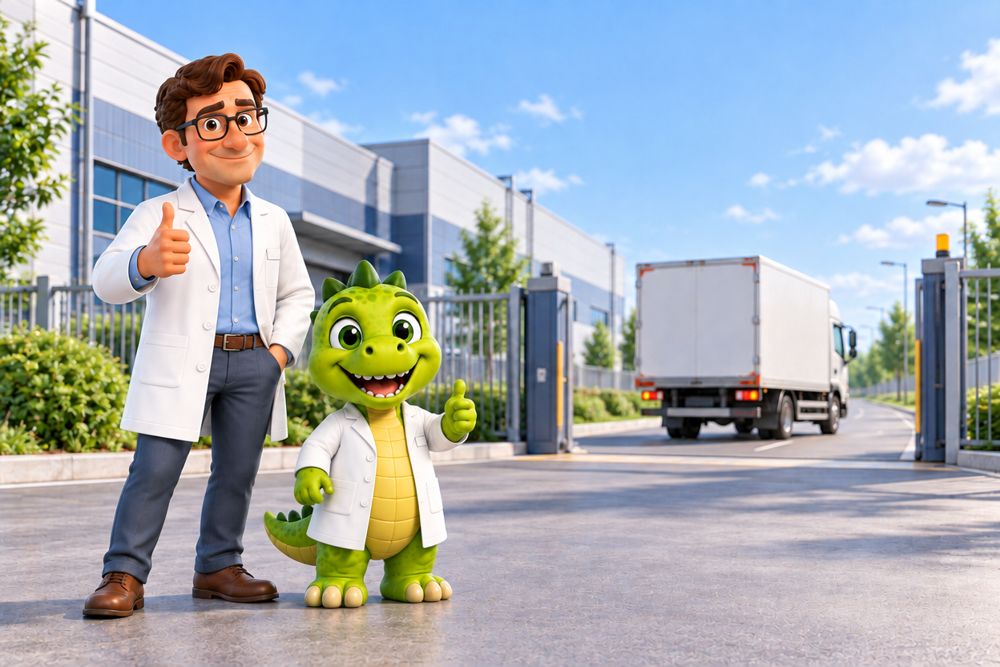
After approval, we reliably deliver your series goods. And even after that, we remain your partner for further optimization.
9 Series and partnership
Your contacts
Your application. Our next step.
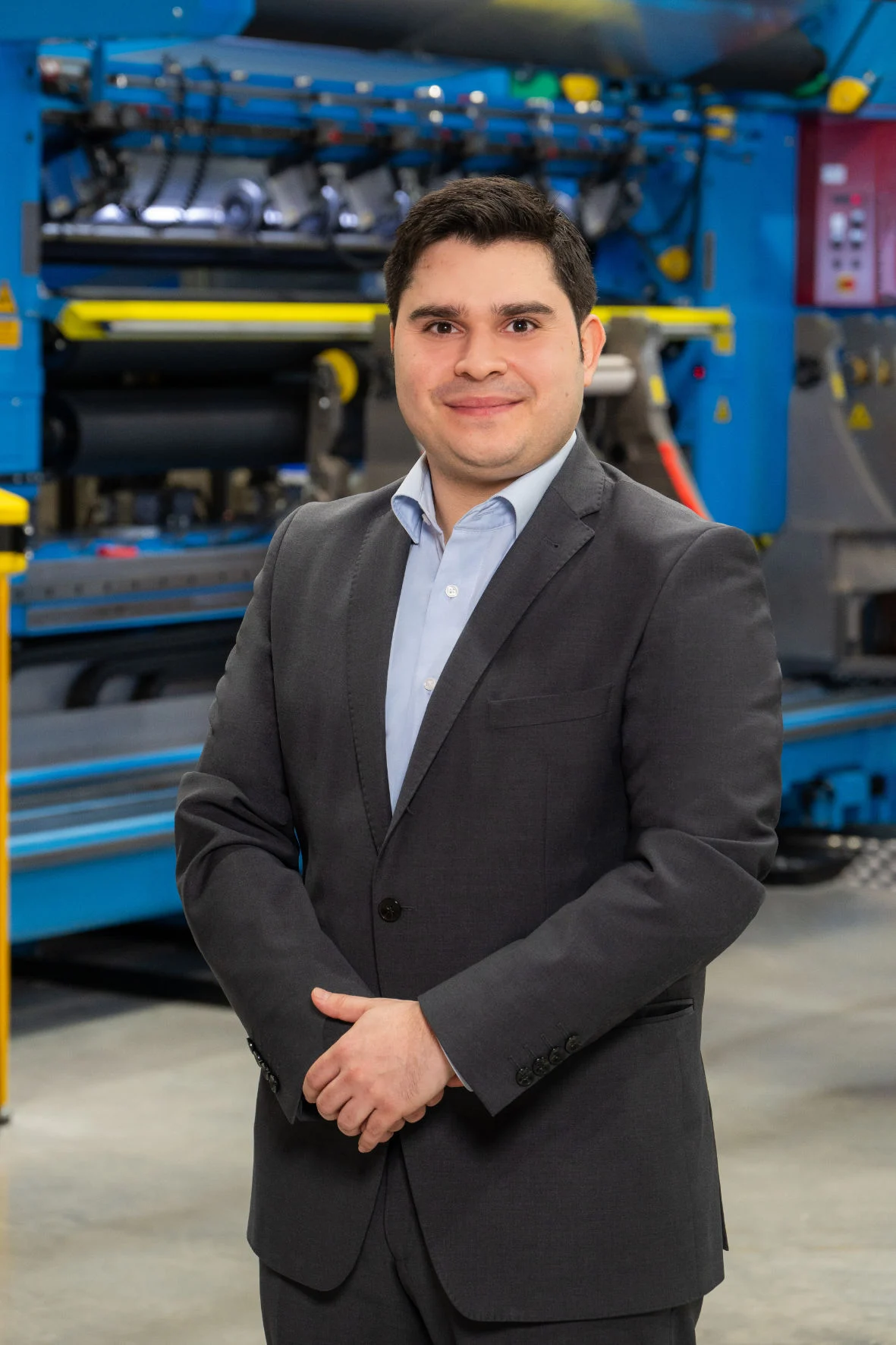
For Machinery & Plant Engineering, this colleague is your dedicated contact, from the first question to series delivery.
Inquire directly
A task in mechanical engineering? Let’s talk about it.
Describe the substrate, application and format. We will get back to you promptly.
Disclaimer: The technical data, properties and areas of application stated on this page are based on information from our suppliers and on typical empirical values. They do not constitute guaranteed specifications. Production-related deviations, further developments or changes to product properties are possible at any time. Whether a film type is actually suitable for a specific purpose must be verified on a case-by-case basis. That is exactly what the Pütz Method is for: together we clarify the requirements and provide samples for your own tests. Before placing an order, please explicitly ask us about availability and current specifications. All information is provided without guarantee.
Frequently asked questions
Good to know.
Do you produce die-cut parts to drawing?
Yes, as die-cut contours in small and large series. Send us the geometry and the desired material. We clarify which tool is needed and which batch size makes sense before the first delivery.
Do you also supply small quantities?
Yes. Small quantities and special formats are expressly part of our offering, especially in special machine building, where batch sizes below one hundred are the norm.
Which film is suitable as a welding backing?
Heat resistance under local heat and dimensional stability are decisive. Polyimide films have no melting point and remain dimensionally stable where polyester fails. A test shows which thickness and type your process needs. We provide samples.
How do you ensure availability across the series?
By talking about it early. If you tell us the planned production life, we can clarify the availability of the type with the manufacturer and, where it makes sense, earmark alternatives with a comparable profile before a discontinuation forces requalification.
In which working widths do you deliver?
From 4 to 2,500 mm in web width with film thicknesses from 6 to 500 µm, and a width tolerance of ± 1 mm as standard and down to ± 0.05 mm for specialty applications.