Industry · Entwurf · Vertriebsfreigabe offen
Films for the paper and board industry. What board can also do.
Laminating films give paperboard abrasion resistance, windows make packaging see-through, winding cores hold the roll. Wherever film extends the properties of paper, it complements the structure. Pütz Folien supplies it converted.
The thinnest layer in the structure. Often the decisive one.
In paper finishing, the film is usually the thinnest layer and often the one on which the print run depends. A laminating film that suits the paper and adhesive holds even at the fold. A flat window bonds straight. A dimensionally stable winding core keeps the roll running true.
What these applications have in common: the film has to suit the paper quality, the adhesive and the machine. These are three factors that influence each other. We narrow down the suitable materials with you and provide samples so that the test takes place on your machine.
Fields of application
Applications in the Paper, Paperboard and Board Industry Including Finishing. With hands-on support.
The Pütz classification lists seven fields of application for the paper, paperboard and board industry.
Lamination and laminates
Laminating films for board and paper: gloss, matte or texture. In addition to appearance, behavior during folding and creasing counts: a lamination that suits film thickness, adhesive and fold geometry stays clean at the edge.
Window envelopes
Window films for envelopes and mailing bags. What is needed is flatness, transparency and processing behavior that suits the window patching machine, at very high volumes and tight margins.
Paper tubes and winding cores
Materials for tubes and winding cores. Wall thickness and dimensional stability determine how true the finished roll runs and thus how well the customer can process it.
Paper converting and finishing
Process and finishing films in paper converting, from the release layer to the surface layer. On request, we handle finishing through specialized partner companies.
Corrugated and carton packaging
Films for corrugated and carton packaging, for example as lamination, windows or a protective layer. The structure helps determine whether the packaging stays in the paper recycling stream.
Book covers and book protection
Cover and protective films for books and brochures. Clarity, scratch resistance and clean behavior when folding over are the criteria here.
Mailing bags and shipping packaging
Film components for shipping packaging: windows, reinforcements, protective layers. Increasingly linked to the question of how the laminate can later be separated.
Suitable films from the Pütz portfolio
Suitable substrates for this industry. We make the selection with you.
Polyolefins and polyesters dominate paper finishing: the former for laminations, the latter for dimensionally stable and thermally stressed applications.
| Substrate | Typical use in this industry | |
|---|---|---|
| BOPPbiaxially oriented polypropylene | Gloss and matte lamination, windows, wrapping | Substrate page → |
| Hostaphan®BOPET polyester film, biaxially oriented polyethylene terephthalate | Thermal lamination and dimensionally stable carrier applications | Substrate page → |
| Cellophaneregenerated cellulose | Classic wrapping with a characteristic look | Substrate page → |
| Acetatecellulose acetate | Highly transparent window and cover layers | Substrate page → |
You will find an overview of all materials under Film Types & Substrates.
Complete assignment: substrates and film types
The assignment shows which substrates are used in this industry. It does not say which one is right for your application. For almost every task, several films are options; which one fits depends on the specific requirement. The Pütz Method describes how we clarify this.
Typical challenges
What matters in this industry.
In paper and board finishing, the same questions about films come up again and again.
Folding and creasing behavior
The lamination must neither crack nor delaminate at the edge.
Adhesive compatibility
Film, paper quality and adhesive have to match.
High volumes
Long runs with tight margins: every sheet counts.
Flatness
Flat goods bond straight and run through cleanly.
Recyclability
The laminate decides whether the packaging stays in the paper recycling stream.
Machinability
What works in the sample has to run at production speed.
Why Pütz Folien
Development partner. From the first sample to series production.
Film, paper, adhesive and machine influence each other. We narrow down the materials with you and provide samples so that the test takes place where it counts: on your machine.
More than 65 years of experience in film converting.
For more than six decades, we have been converting and finishing films. All customers benefit, directly or indirectly, from this experience with tight tolerances and documented processes.
One portfolio for almost every requirement.
From technical specialty films to material composites and individual converting solutions: as a converter for several manufacturers, we offer a wide range of options and give neutral advice on which film suits your application.
Individual development for your application.
Every application is different. We adapt material, converting, quality requirements and services to your requirements, including small quantities and special formats. Because successful projects also depend on collaboration, we value clear contacts, fast response times and pragmatic solutions.
The Pütz Method
Together to the right film. In nine steps.
Which film is right for your application depends on your specific requirements. That is exactly what the Pütz Method is for: from the first question through samples and testing to series delivery. Folio shows how it works.
The Pütz Method in detail
-

I know what the film has to do. But which film is the right one?
1 Starting point
-
Don’t worry, Dr. Meier! That is exactly what the Pütz Method is for.
2 Getting started
-
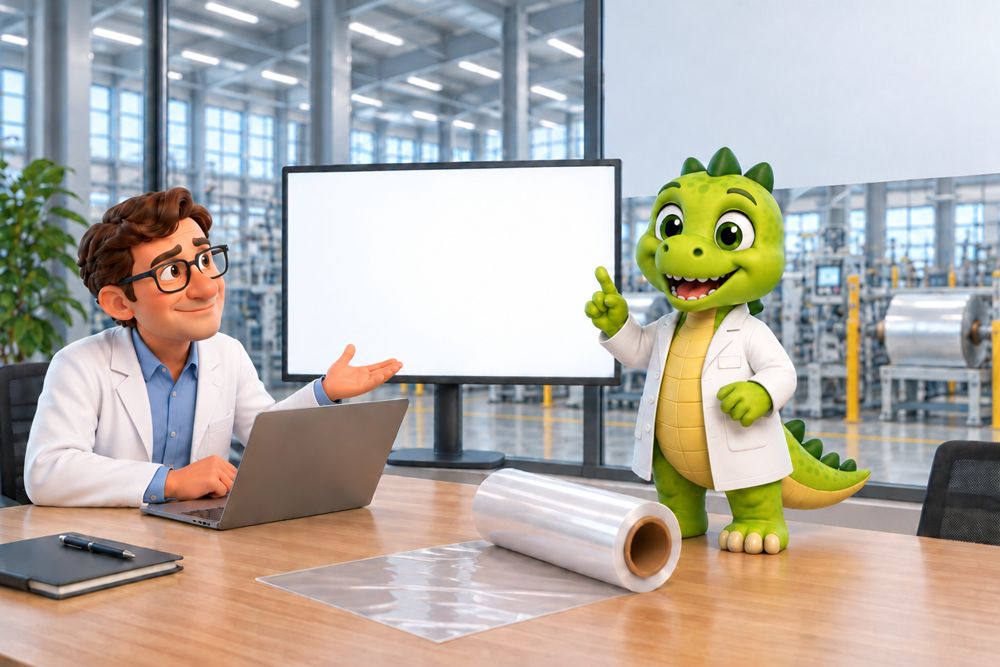
First, we clarify all the important requirements together.
- Application
- Properties
- Material
- Dimensions
- Processes
- Quantity
- Quality
3 Clarifying requirements
-
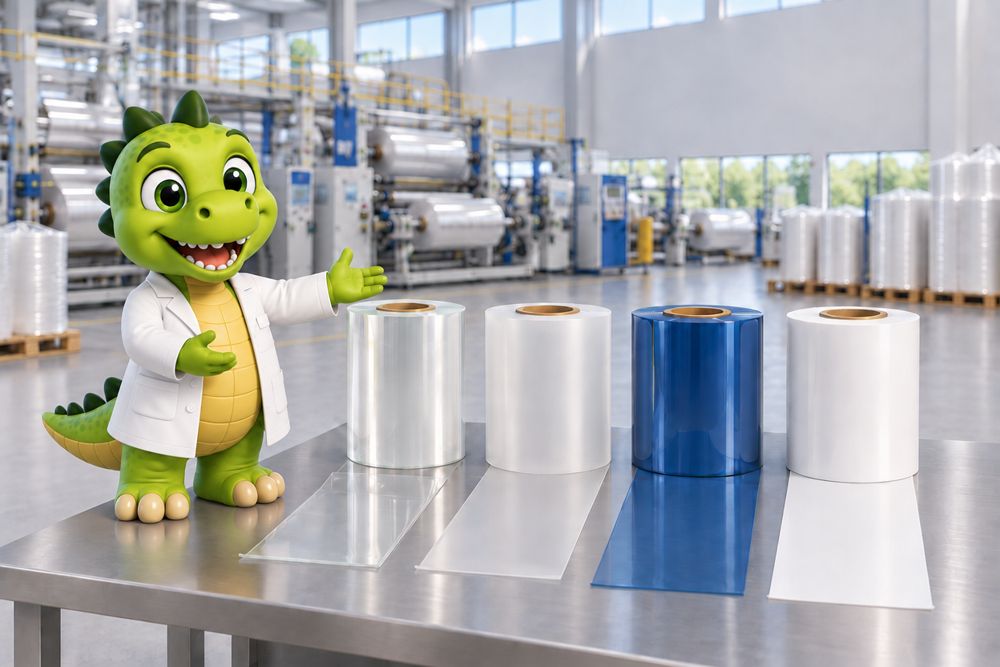
On this basis, we propose suitable film solutions to you.
4 Proposed solution
-
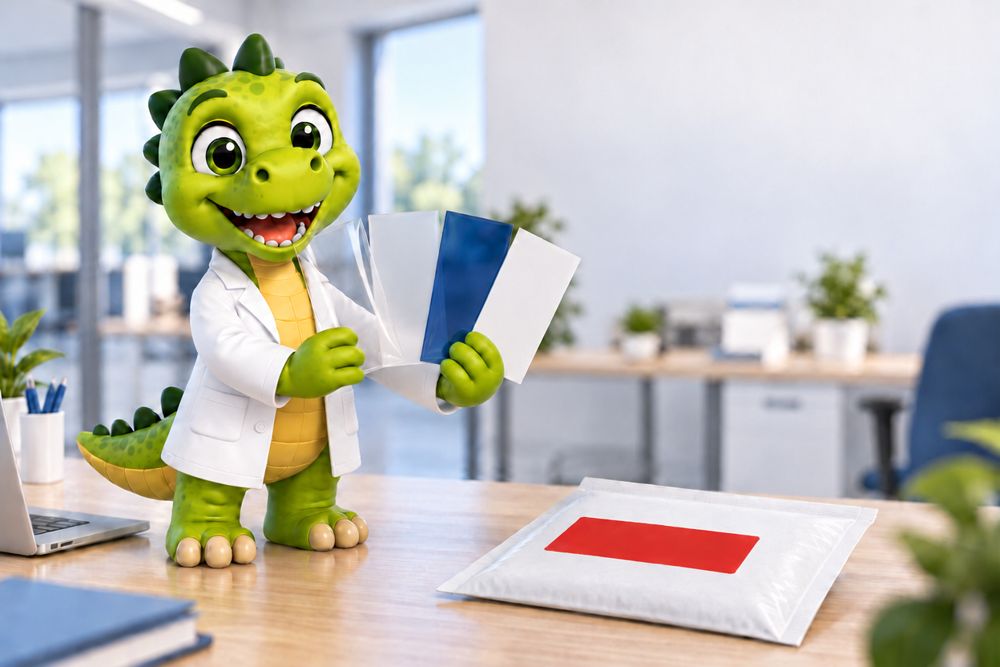
If needed, you receive samples, sample rolls or cut-to-size sheets to test for your application.
Samples
5 Samples
-
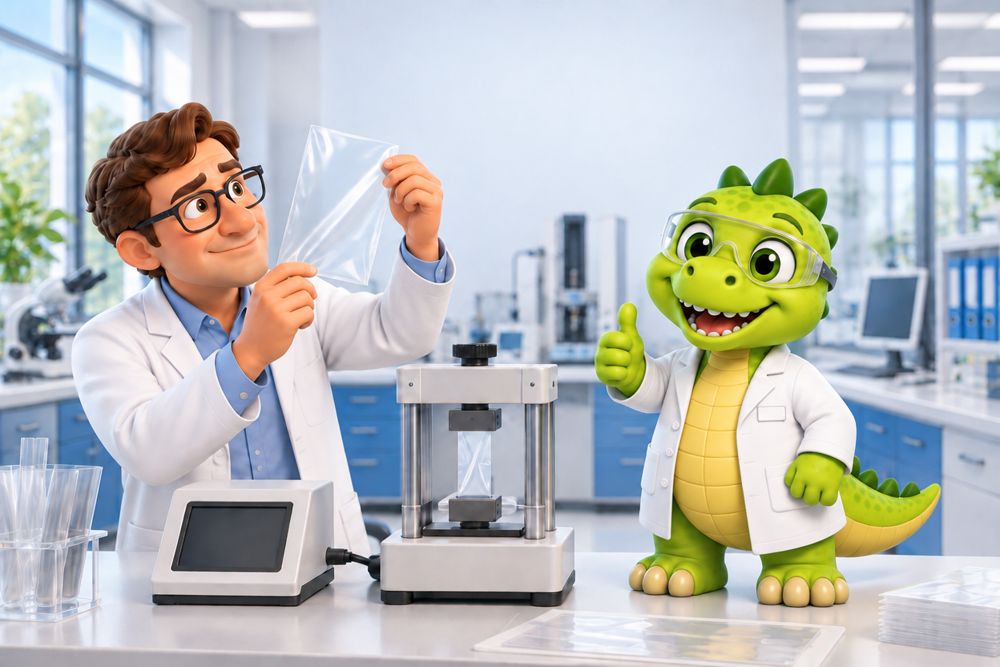
You test the film samples. We discuss the results together.
6 Testing and evaluation
-
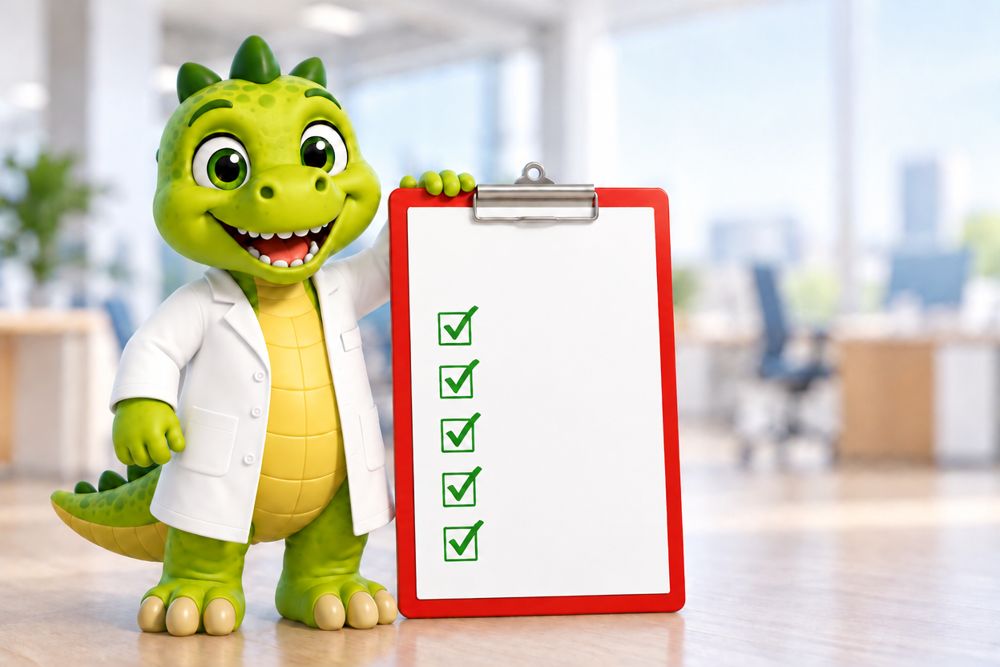
After the successful test phase, you receive a suitable quotation. Together, we find the best solution for you.
Quotation
- Material
- Dimensions
- Quantity
- Delivery time
- Price
7 Quotation
-
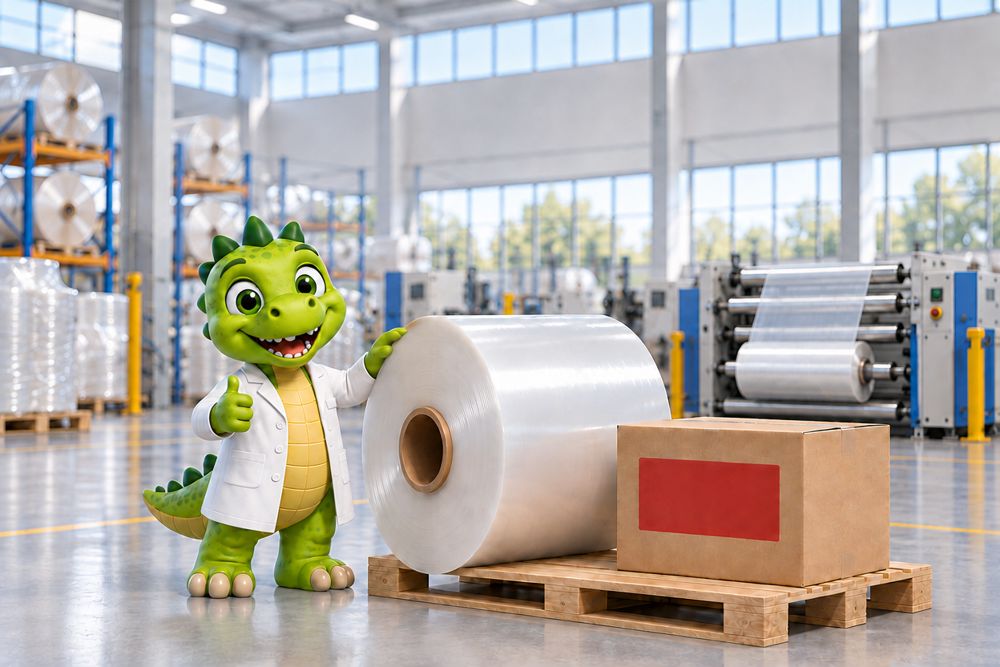
On request, we deliver a pilot quantity or pre-series for final testing under real production conditions.
Pilot quantity
8 Pilot quantity
-
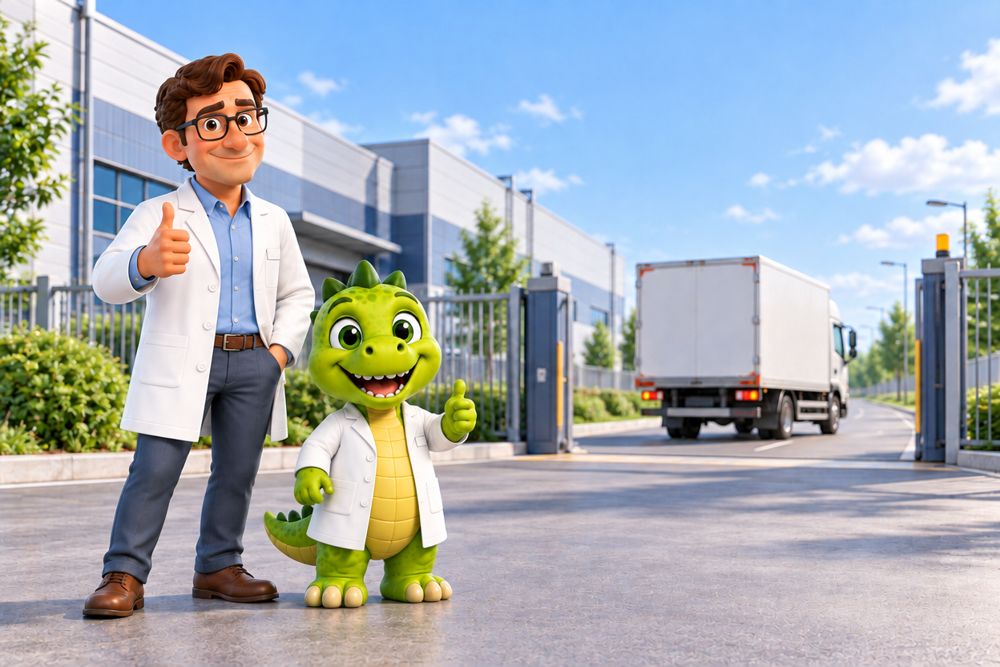
After approval, we reliably deliver your series goods. And even after that, we remain your partner for further optimization.
9 Series and partnership
Your contacts
Your application. Our next step.
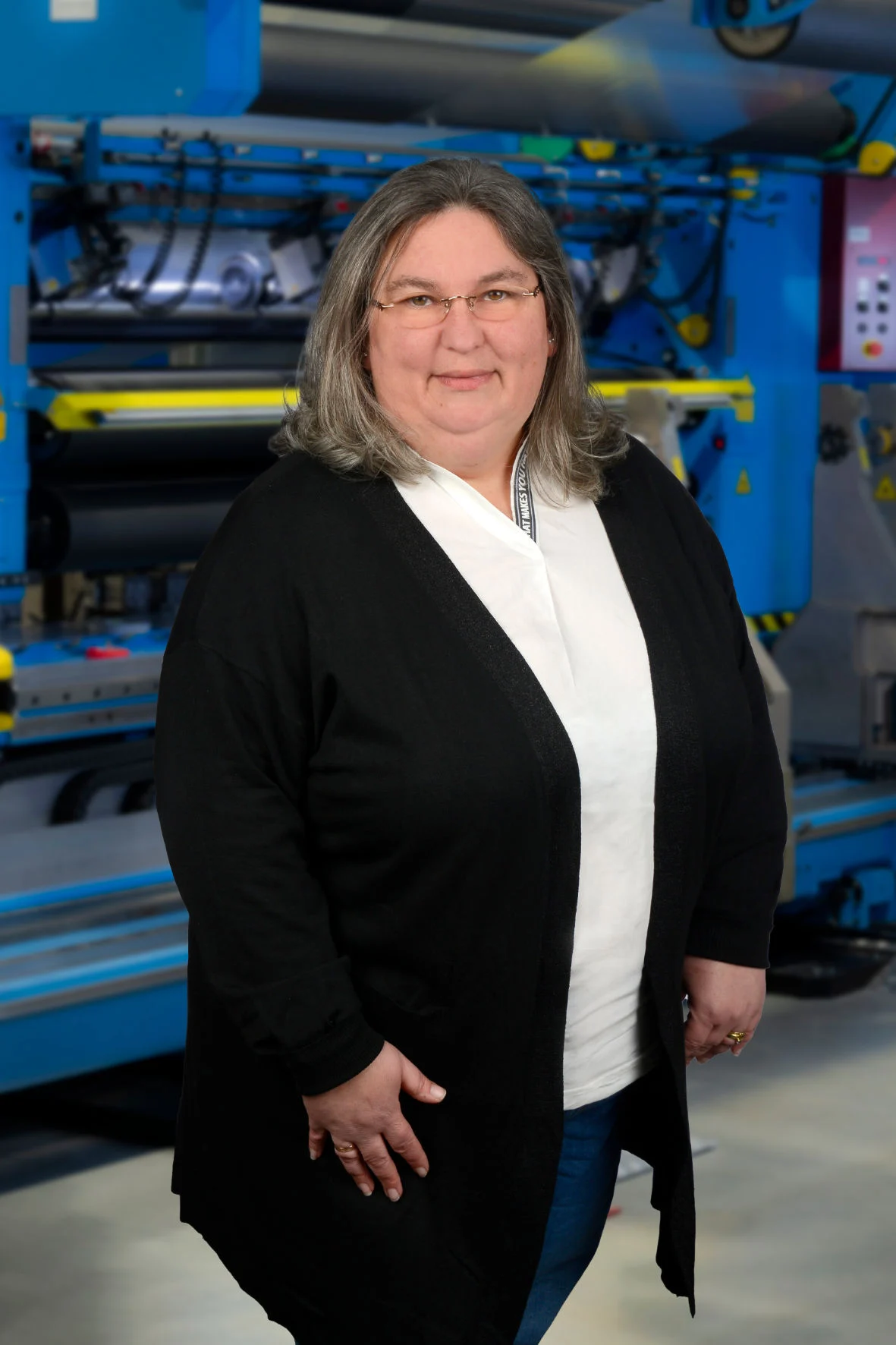
For Paper & Board, this colleague is your dedicated contact, from the first question to series delivery.
Inquire directly
A task in paper finishing? Let’s talk about it.
Describe the substrate, application and format. We will get back to you promptly.
Disclaimer: The technical data, properties and areas of application stated on this page are based on information from our suppliers and on typical empirical values. They do not constitute guaranteed specifications. Production-related deviations, further developments or changes to product properties are possible at any time. Whether a film type is actually suitable for a specific purpose must be verified on a case-by-case basis. That is exactly what the Pütz Method is for: together we clarify the requirements and provide samples for your own tests. Before placing an order, please explicitly ask us about availability and current specifications. All information is provided without guarantee.
Frequently asked questions
Good to know.
Which film is suitable for laminating board?
For gloss and matte lamination, BOPP types are the main option; for thermal lamination and dimensionally stable applications, polyester. What matters is the interaction with paper quality and adhesive. That is why the starting point is a test with samples on your machine.
Why does the lamination crack at the fold?
Usually, film thickness, adhesive and fold geometry do not match. Thicker films tend to crack at tight folds; the time between laminating and folding also plays a role. Describe the structure and fold geometry to us, and we will narrow down the causes.
Which film is suitable for windows in envelopes?
What is needed is flatness, transparency and processing behavior that suits the window patching machine. Options include BOPP, polyester and cellulose films. A test shows which one runs on your line.
Do laminated packages stay in the paper recycling stream?
The overall structure decides this, not the film alone: film thickness, adhesive and surface coverage all play a role. We say openly where a structure makes separation more difficult, even if the thinner alternative is technically more demanding.
Do you do the lamination yourselves?
Lamination is carried out by specialized partner companies; selection, order clarification and converting stay with us. This gives you one point of contact instead of a chain.