Film type · Substrat-Spoke
Valéron® HDPE cross-laminate.
White HDPE-based cross-laminate, resistant to tearing, tear propagation and puncture, corona-treated and printable on both sides.
Overview
What is Valéron®?
Valéron® is a white cross-laminate based on polyethylene (HDPE), corona-treated on both sides, with high tear and puncture resistance. Cross-laminate means that two oriented HDPE layers are laminated crosswise, i.e. at right angles to each other.
As a result, the preferred directions of the two layers cancel each other out, and the structure is strong in both directions. A tear that would run along the orientation in one layer meets a crosswise structure in the second layer and is stopped.
The multilayer structure makes it possible to use much thinner materials with much higher strength, so that in principle a reduction in thickness compared with conventional laminates is possible.
Technical valuesProperties
Eigenschaften von Valéron®.
PlatzhalterInput Vertrieb
Worauf kommt es bei Valéron® in der Praxis an? Bitte im Review dieser Seite stichpunktartig notieren. Daraus entsteht der Text für diesen Abschnitt. Zahlenwerte stehen nur in der Tabelle darunter.
Technical data
Technical values, from–to.
| Property | Value | Unit |
|---|---|---|
| Tensile strength | 50–70 | N/mm² |
| Thickness range | 100 to > 250 | µm |
The values are ranges across all types. We select the right type for your application together with you.
We are happy to provide product-specific technical data for particular film types on request.
Variants
Valéron® variants: a selection from the portfolio.
The Valéron® portfolio offers solutions for many different fields of application:
- Films for the construction sector, sealing tapes
- High-impact explosive cartridges, processed on form-fill-seal machines
- Tags & labels
- Particularly robust special laminates
We are happy to help you find the right solution.
Industries in which Valéron® is typically used
Use by industry.
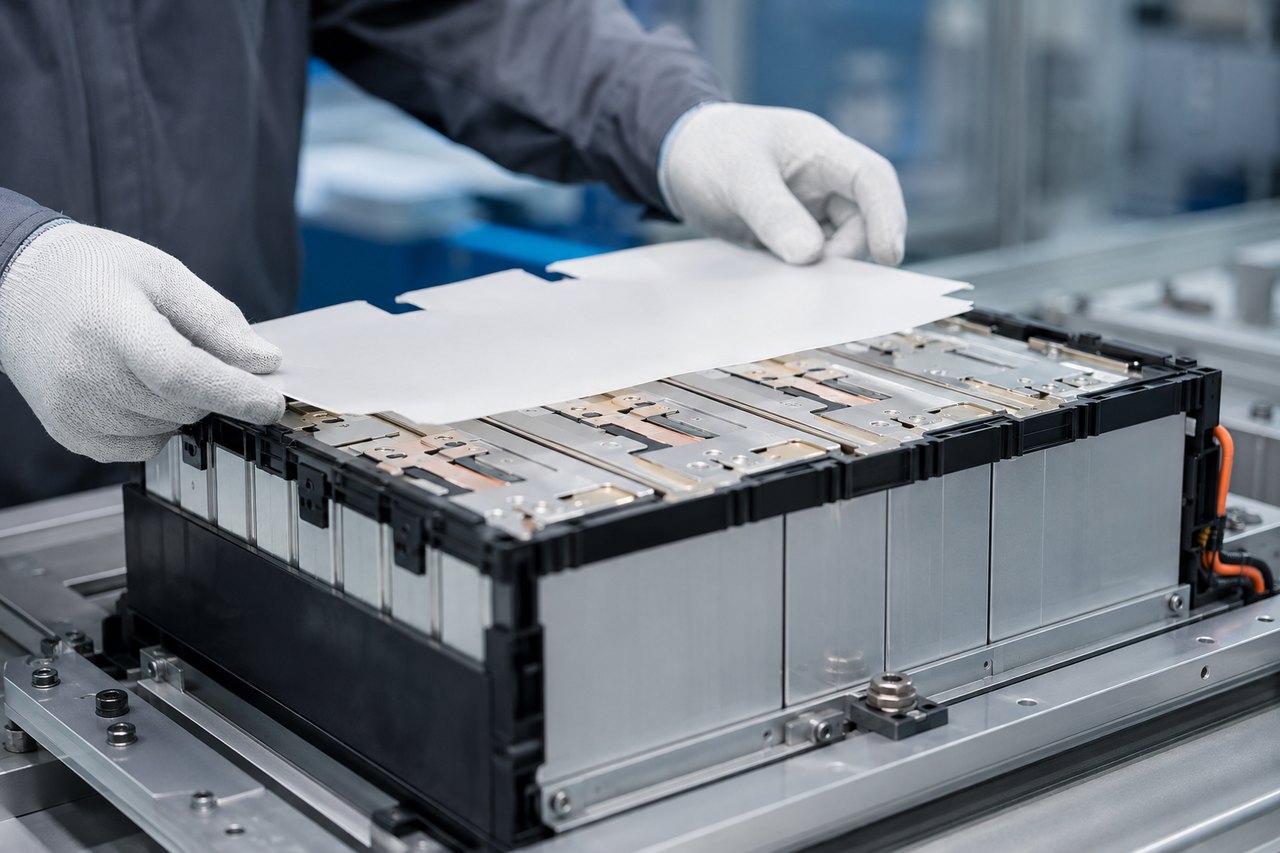
Automotive Industry
View industry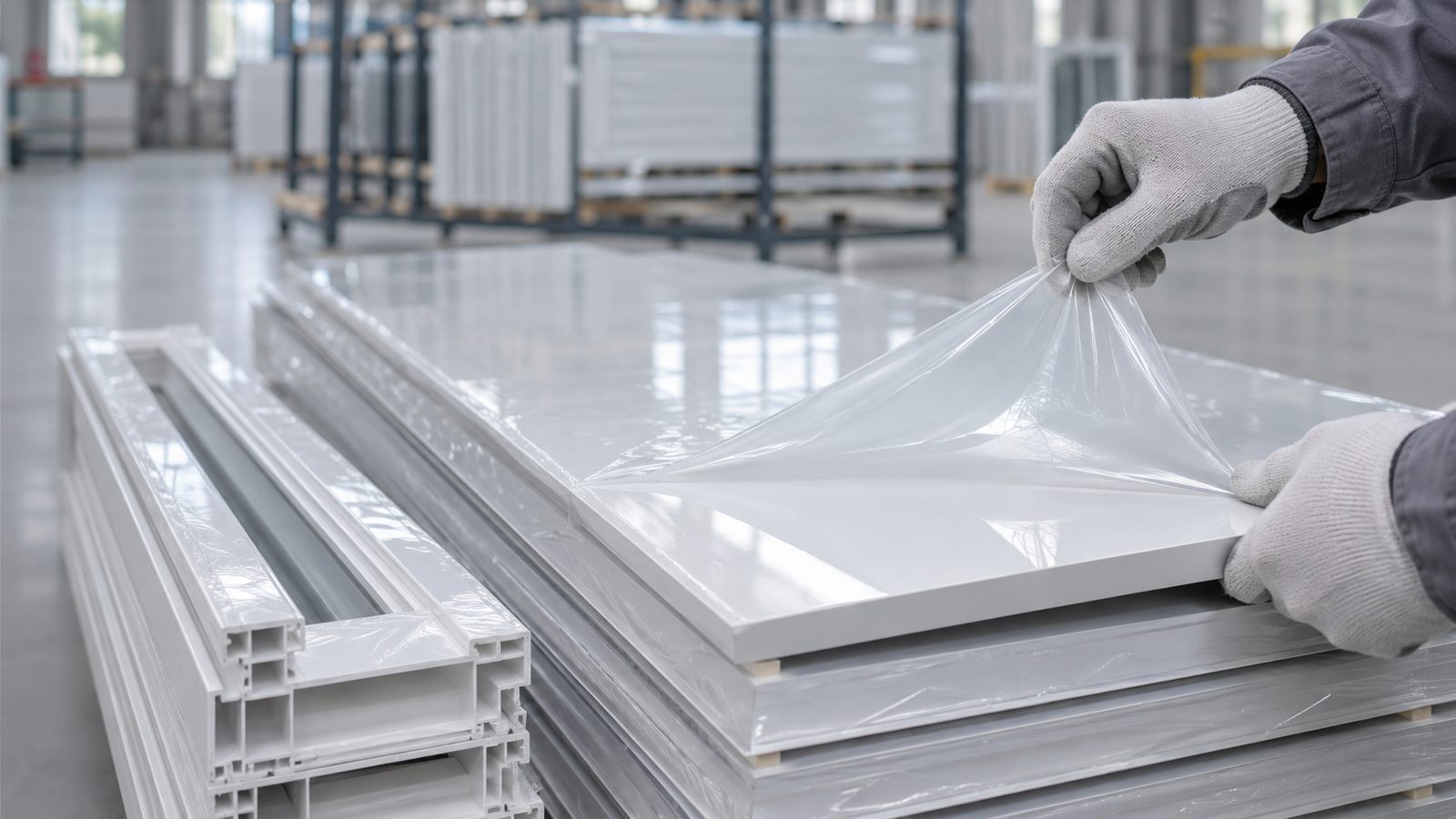
Construction and Building Materials
View industry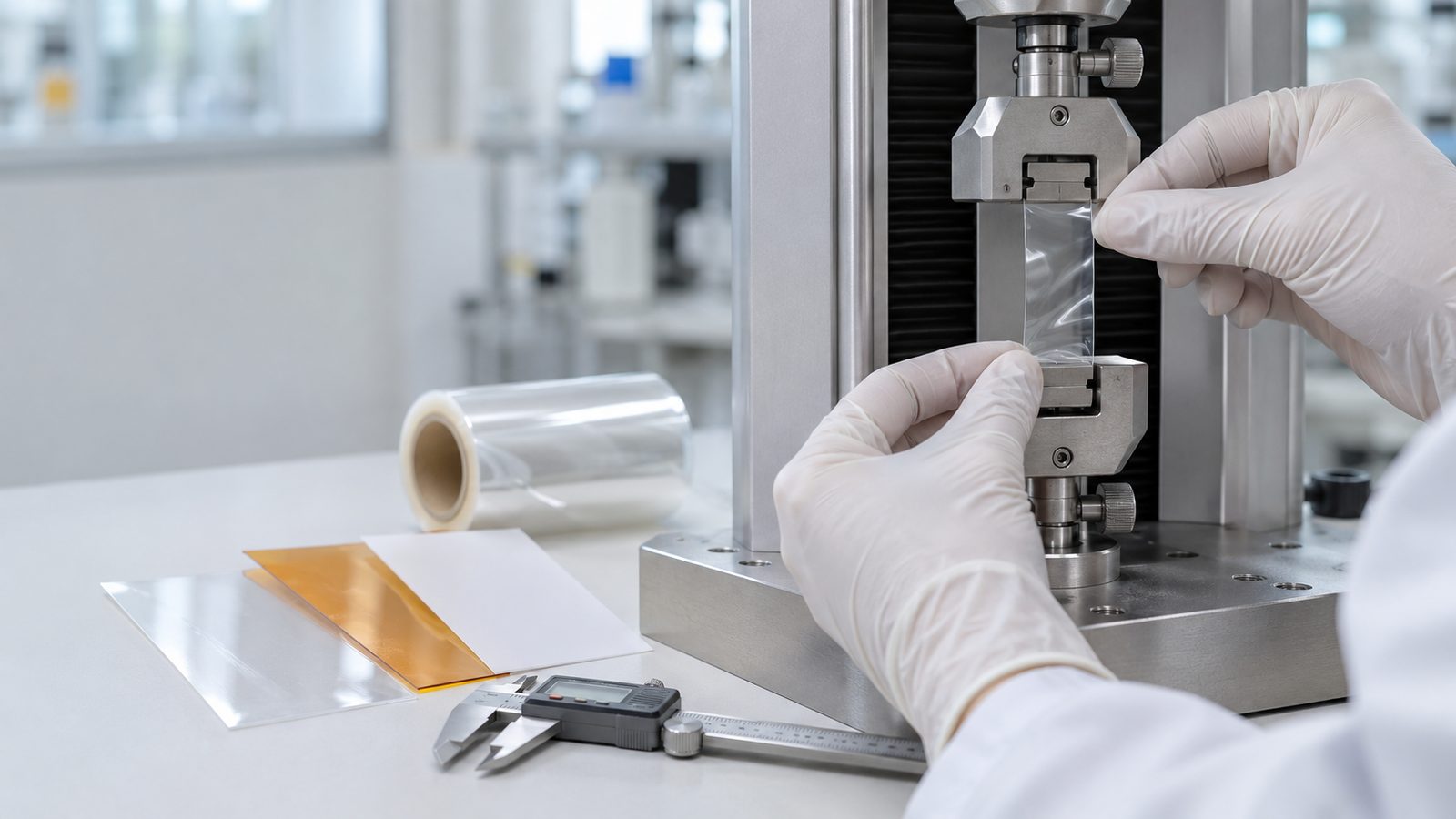
Public Sector, Education and Research
View industry
Machinery and Plant Engineering
View industry
Printing and Media Industry Including Print Finishing
View industry
Aerospace Industry
View industryDenkbar, im Einzelfall zu prüfen
Chemische Industrie und Kunststoffindustrie · Elektro- und Elektronikindustrie · Energieversorgung und Umweltwirtschaft · Lebensmittel- und Getränkeindustrie · Medizintechnik · Pharmaindustrie · Kosmetik- und Körperpflegeindustrie · Möbelindustrie und Innenausbau · Papier-, Karton- und Pappeindustrie einschließlich Veredelung · Verpackungsindustrie · Textil-, Bekleidungs- und Lederindustrie · Sportartikel- und Spielwarenindustrie · Verteidigungs- und Sicherheitsindustrie
Für diese Branchen ist Valéron® aus verwandten Anwendungen abgeleitet und nicht aus einer bestehenden Zuordnung übernommen. Ob das Substrat zu Ihrer konkreten Anwendung passt, klären wir vor einer Zusage. So beschreibt es die Pütz-Methode.
Converting at Pütz
Converting at Pütz.
You receive Valéron® as rolls or as sheets and cut-to-size sheets. For your own material, we take care of toll converting.
The high tear resistance that distinguishes the material makes slitting demanding: what is not supposed to tear in use is also harder to separate in the tool. Sharp tools and adjusted parameters are a prerequisite here.
For storage, the manufacturer states a shelf life under defined conditions according to the FINAT standard.
Sustainability
Material savings as an approach.
Valéron® makes it possible to replace conventional films and laminates at half the thickness. Less material for the same function is a direct route to conserving resources – and it can be quantified.
If the multilayer structure is based on the same substrate, these films can be recycled. However, many applications are intended for long-term use of Valéron®, and the focus is not on recyclability but on long durability, as with a special sealing tape in construction, for example.
Consulting
Consulting according to the Pütz Method.
We are happy to work out together with you which Valéron® type suits your application, following the Pütz Method.
It starts with clarifying your requirements, not with a product suggestion. The Pütz Method describes the process in nine steps.
Inquire directly
Your inquiry about Valéron®.
You receive Valéron® converted, finished and slit to your requirements: converting, finishing and toll converting.
Prefer to talk directly? Your contacts:
Juan Gomez
Sales & Project Management
T+49 6128 964-330 M+49 151 14964300 @juan.gomez@puetz-folien.com
Michael Büttner
Sales & Project Management
T+49 6128 964-315 M+49 160 8964315 @michael.buettner@puetz-folien.com
Kevin Winkelmann
Sales & Project Management
T+49 6128 964-305 M+49 176 11964305 @kevin.winkelmann@puetz-folien.comDisclaimer: The technical data, properties and areas of application stated on this page are based on information from our suppliers and on typical empirical values. They do not constitute guaranteed specifications. Production-related deviations, further developments or changes to product properties are possible at any time. Whether a film type is actually suitable for a specific purpose must be verified on a case-by-case basis. That is exactly what the Pütz Method is for: together we clarify the requirements and provide samples for your own tests. Before placing an order, please explicitly ask us about availability and current specifications. All information is provided without guarantee.
Frequently asked questions
Good to know.
What is a cross-laminate?
Two oriented HDPE layers are bonded crosswise, i.e. at right angles to each other. As a result, the preferred directions cancel each other out: a tear that would run along the orientation in one layer meets a crosswise structure in the second and is stopped.
How tear-resistant is Valéron®?
The manufacturer states high values for tear strength and tear propagation resistance at high elongation. They are significantly higher than those of common films of comparable thickness. We are happy to advise you on your needs and your application.
Can Valéron® be printed?
Yes, the material is corona-treated on both sides and suitable for thermal transfer, standard and UV flexographic printing, UV offset and screen printing. It can be further processed by die-cutting, stapling and perforating.
Is Valéron® a barrier film?
Not in the conventional sense, as we know it from packaging applications, for example. Due to its closed structure, however, the film has very good water barrier properties and is therefore also used in applications intended for this purpose. If special barrier parameters have to be met, an exchange with the producer is certainly helpful. We are happy to support you here.