Industry · Entwurf · Vertriebsfreigabe offen
Films for aerospace. Where polyester reaches its limit.
In aerospace, the field of application begins where polyester reaches its limits: at extreme temperatures above 200 °C, in a vacuum, under radiation. Here, polyimide is the key material for highly specialized technical applications.
In some cases, no melting point. That is the point.
Polyimide films have properties that set them apart from polyesters: in some cases they have no melting point, as stated for the Kapton® HN type. The material does not become liquid when heated but retains its strength far beyond the range in which polyester loses its resistance. That is exactly why it is used in aerospace wherever thermally extreme values are required.
It is also used as a protective and masking film for manufacturing, transport and assembly. We supply high-performance substrates and process materials converted, including in the small batch sizes that are common in this industry.
Fields of application
Applications in the Aerospace Industry. With hands-on support.
The Pütz classification lists three fields of application for aerospace. All of them place high demands on the material.
Protective and masking films
Protection of surfaces and assemblies during manufacturing, transport and assembly. In aviation, there is an additional requirement that is absent elsewhere: residues are not only a quality issue but also a safety issue. The film must be removable completely and easily.
Fuel cells and hydrogen cells
Carrier and release films in cell production for propulsion and energy systems. The chemical resistance to electrolytes and the dimensional stability of the polyimide are decisive in this application.
Motors and engines
Temperature resistance and electrical insulation: polyimide is mechanically stable and durable. It also offers very good electrical insulation properties and high temperature resistance in motor and engine construction.
Suitable films from the Pütz portfolio
Suitable substrates for this industry. We make the selection with you.
For aerospace, polyimide films are the core material for everything beyond the requirements met by PET (polyethylene terephthalate) and PEN (polyethylene naphthalate). Polyesters and polyolefins are added for protection and process tasks.
| Substrate | Typical use in this industry | |
|---|---|---|
| Kapton®polyimide (DuPont) | High-temperature insulation, labeling and process applications | Substrate page → |
| Upilex®polyimide (UBE) | Polyimide film with particularly high mechanical stiffness | Substrate page → |
| Hostaphan®BOPET polyester film, biaxially oriented polyethylene terephthalate | Carrier and protective applications below the polyimide threshold | Substrate page → |
| Valéron®HDPE cross-laminate | Tear-resistant covering for transport and assembly | Substrate page → |
You will find an overview of all materials under Film Types & Substrates.
Complete assignment: substrates and film types
The assignment shows which substrates are used in this industry. It does not say which one is right for your application. For almost every task, several films are options; which one fits depends on the specific requirement. The Pütz Method describes how we clarify this.
Typical challenges
What matters in this industry.
In aerospace, films face requirements that play no role elsewhere.
Extreme temperatures
Resistance beyond what polyester can deliver.
Freedom from residue
Here, residues are not only a quality issue but also a safety issue.
Traceability
Complete batch documentation across the entire supply chain.
Small batch sizes
Quantities below the manufacturer’s minimum order.
Long qualification
A material change means requalification. Consistent material availability counts.
Weight
Every gram counts, including in a film component.
Why Pütz Folien
Development partner. From the first sample to series production.
Polyimide sits in the upper technical and price segment and is highly specialized. That is exactly why the selection has to be right. We are happy to help you find the specific type based on its characteristic values. Small batch sizes and the corresponding batch documentation are also possible with us.
More than 65 years of experience in film converting.
For more than six decades, we have been converting and finishing films. All customers benefit, directly or indirectly, from this experience with tight tolerances and documented processes.
One portfolio for almost every requirement.
From technical specialty films to material composites and individual converting solutions: as a converter for several manufacturers, we offer a wide range of options and give neutral advice on which film suits your application.
Individual development for your application.
Every application is different. We adapt material, converting, quality requirements and services to your requirements, including small quantities and special formats. Because successful projects also depend on collaboration, we value clear contacts, fast response times and pragmatic solutions.
The Pütz Method
Together to the right film. In nine steps.
Which film is right for your application depends on your specific requirements. That is exactly what the Pütz Method is for: from the first question through samples and testing to series delivery. Folio shows how it works.
The Pütz Method in detail
-

I know what the film has to do. But which film is the right one?
1 Starting point
-
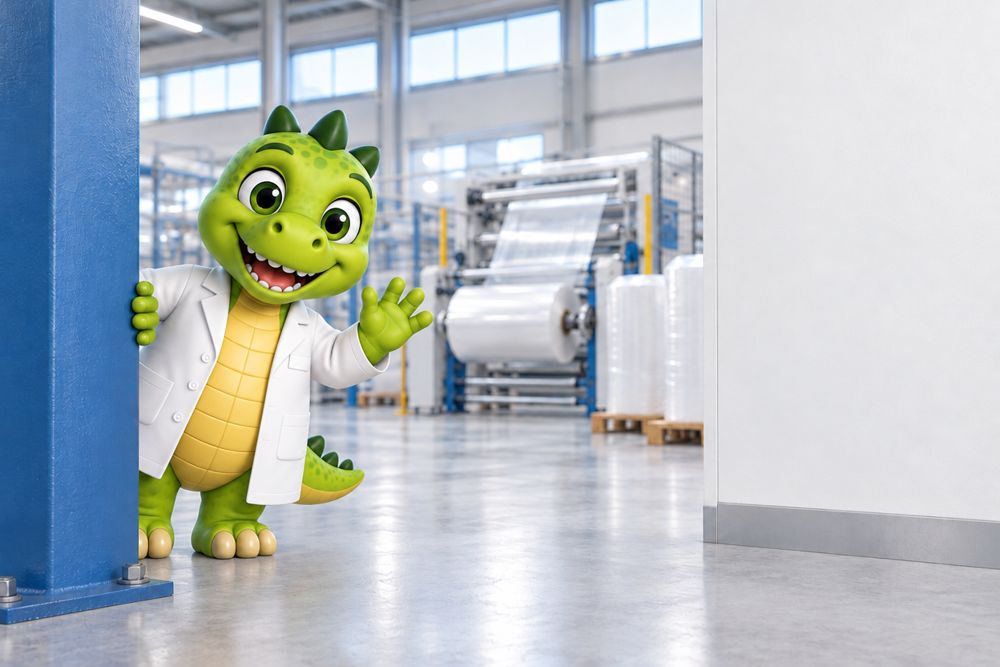
Don’t worry, Dr. Meier! That is exactly what the Pütz Method is for.
2 Getting started
-
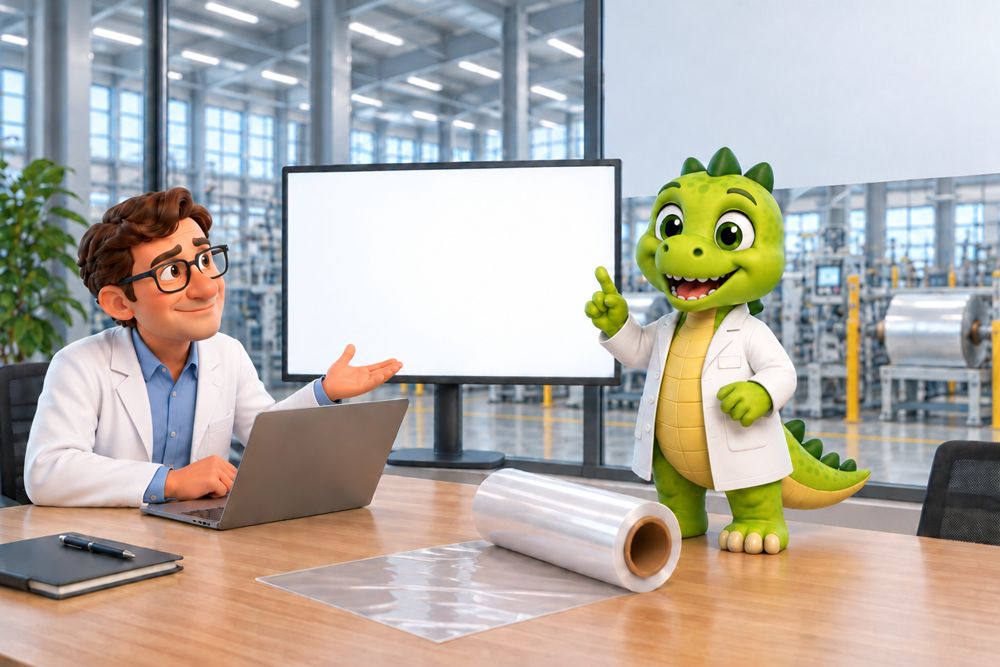
First, we clarify all the important requirements together.
- Application
- Properties
- Material
- Dimensions
- Processes
- Quantity
- Quality
3 Clarifying requirements
-
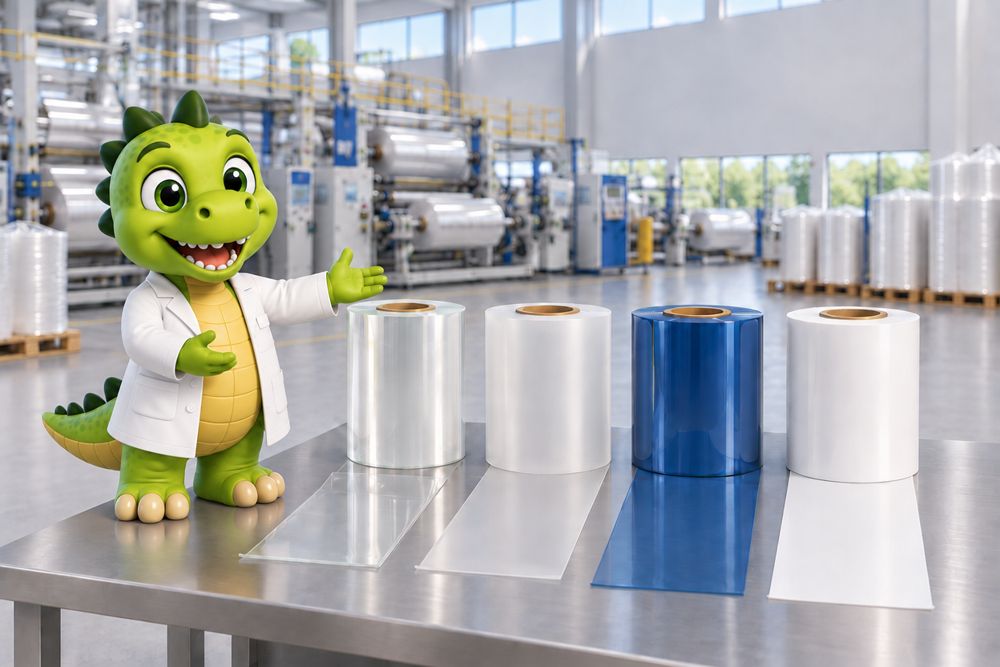
On this basis, we propose suitable film solutions to you.
4 Proposed solution
-
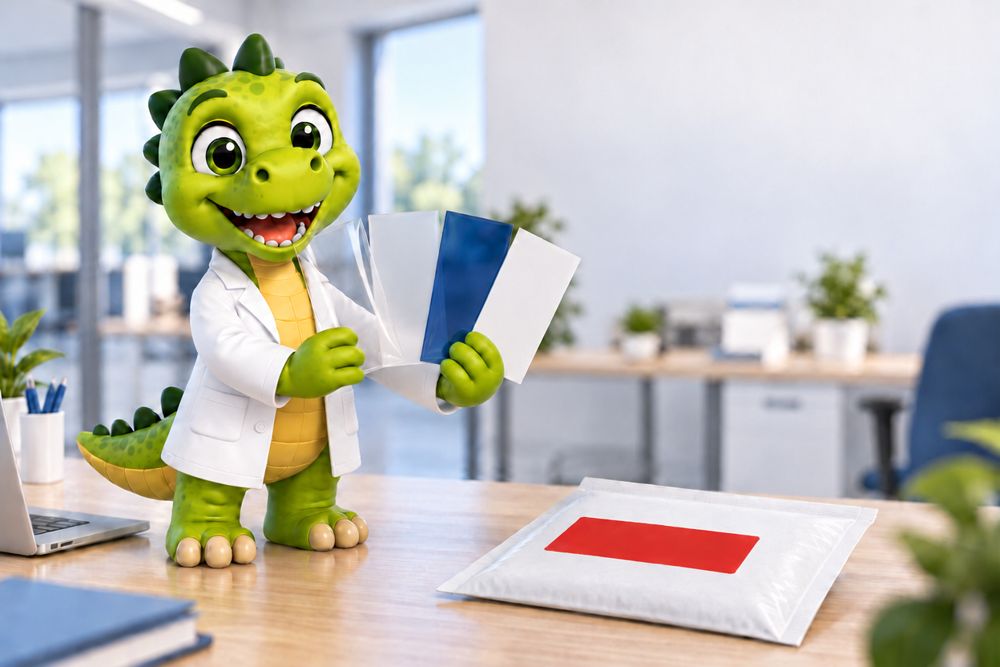
If needed, you receive samples, sample rolls or cut-to-size sheets to test for your application.
Samples
5 Samples
-
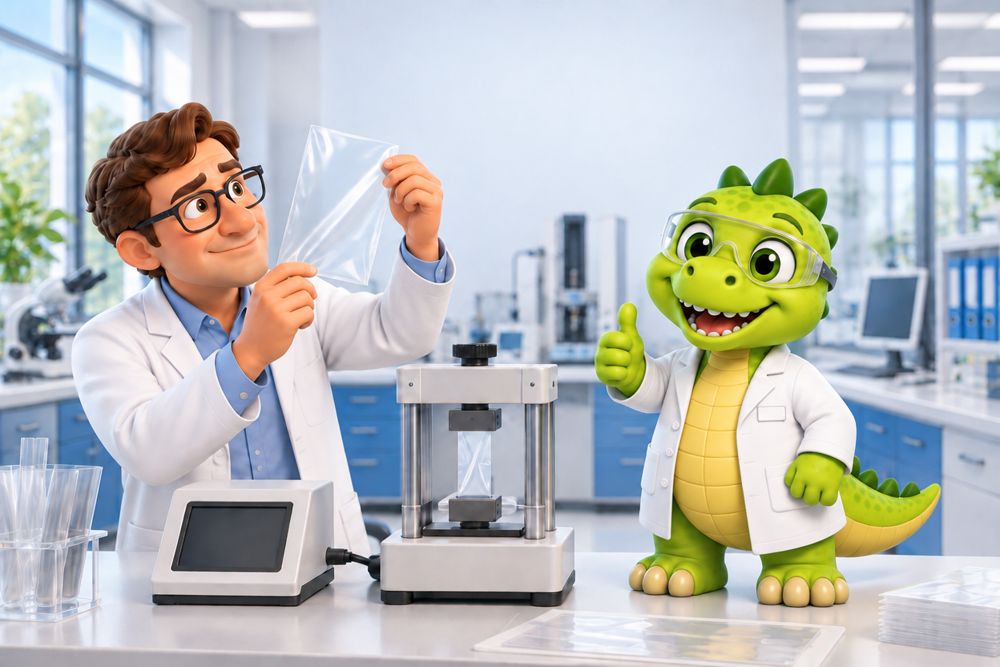
You test the film samples. We discuss the results together.
6 Testing and evaluation
-

After the successful test phase, you receive a suitable quotation. Together, we find the best solution for you.
Quotation
- Material
- Dimensions
- Quantity
- Delivery time
- Price
7 Quotation
-
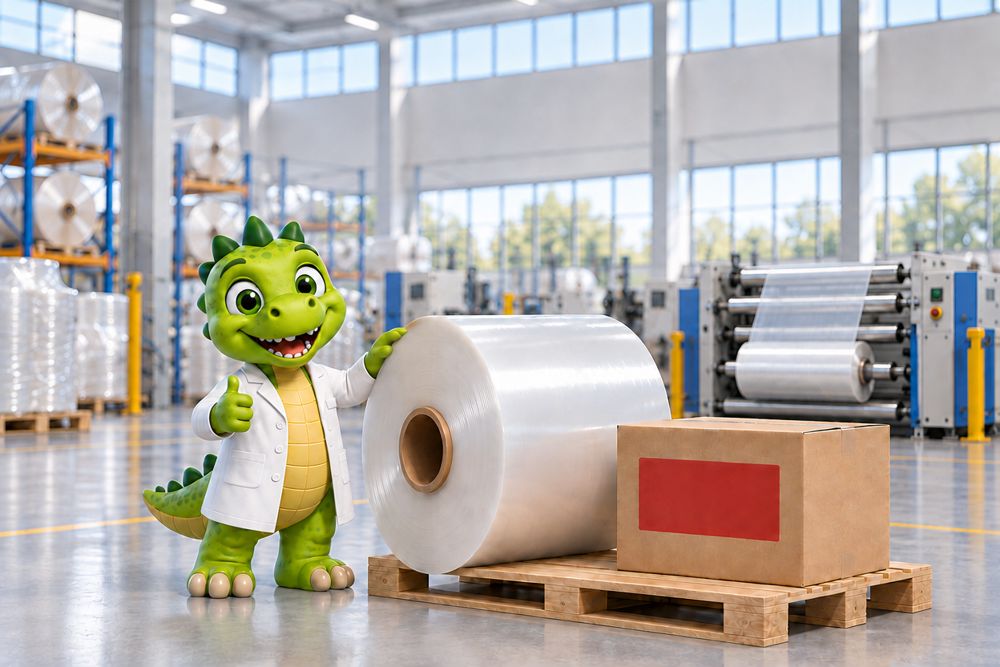
On request, we deliver a pilot quantity or pre-series for final testing under real production conditions.
Pilot quantity
8 Pilot quantity
-
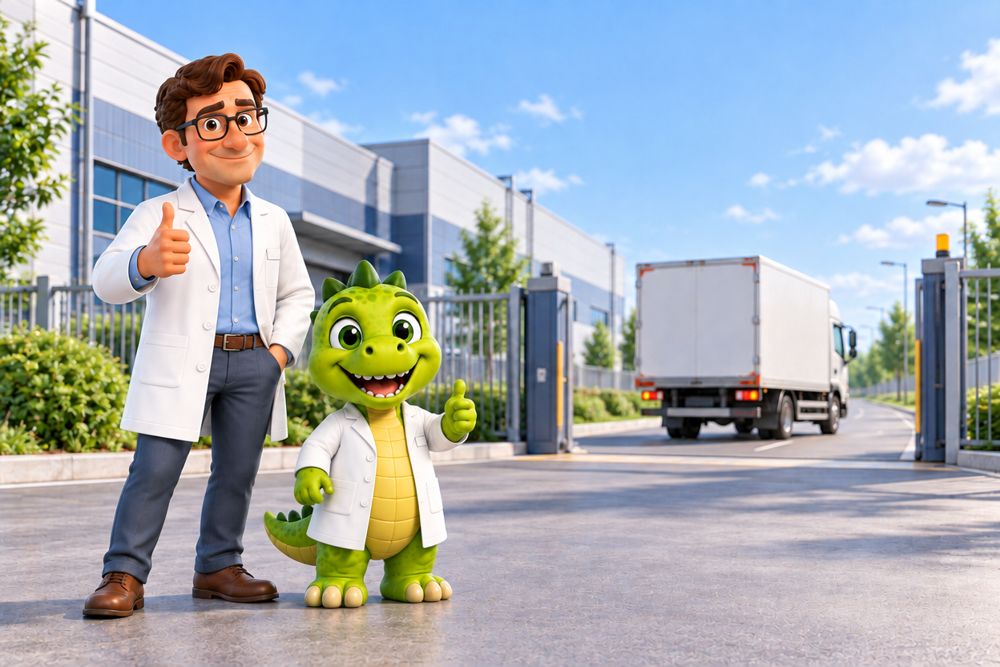
After approval, we reliably deliver your series goods. And even after that, we remain your partner for further optimization.
9 Series and partnership
Your contacts
Your application. Our next step.
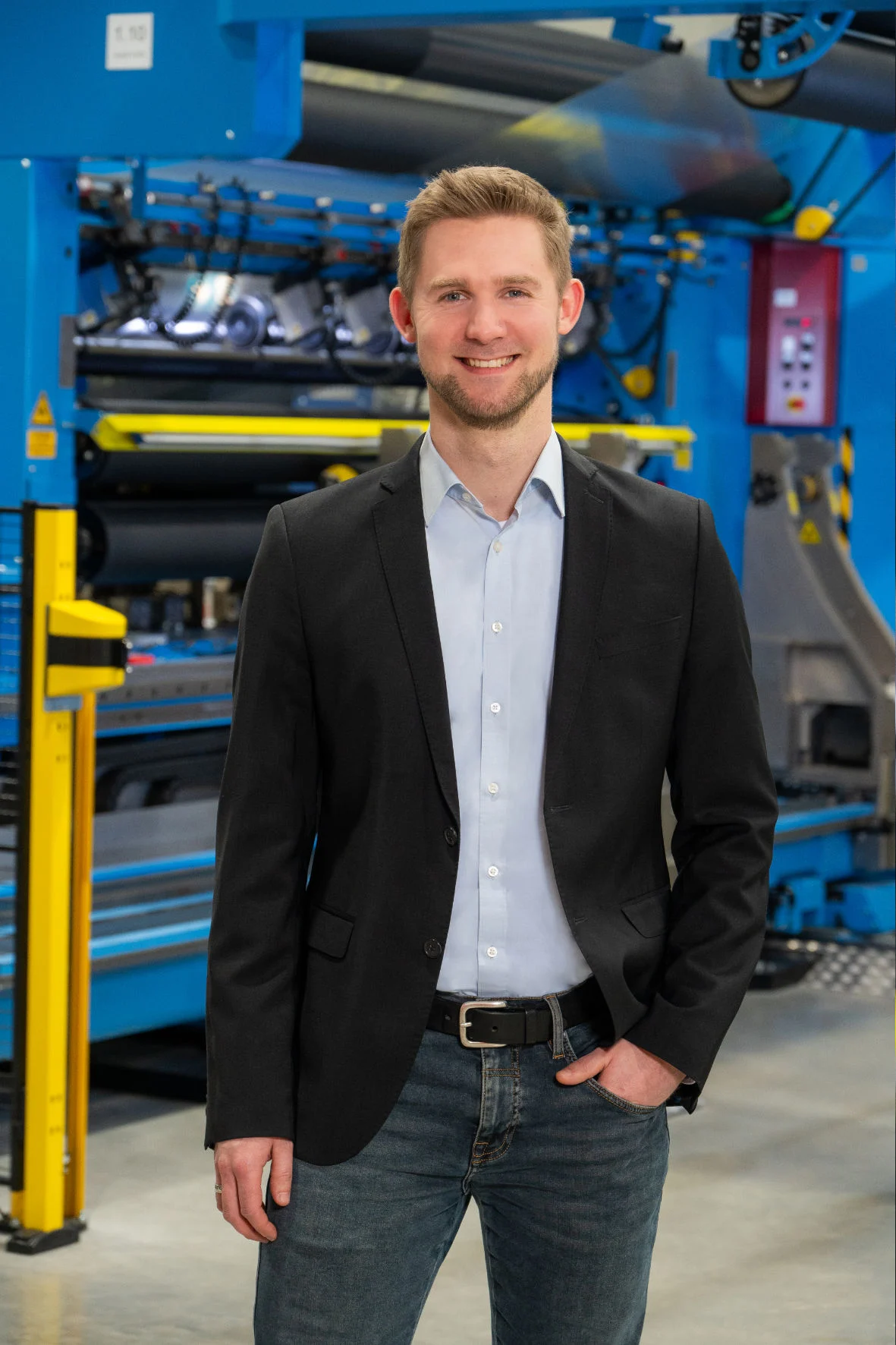
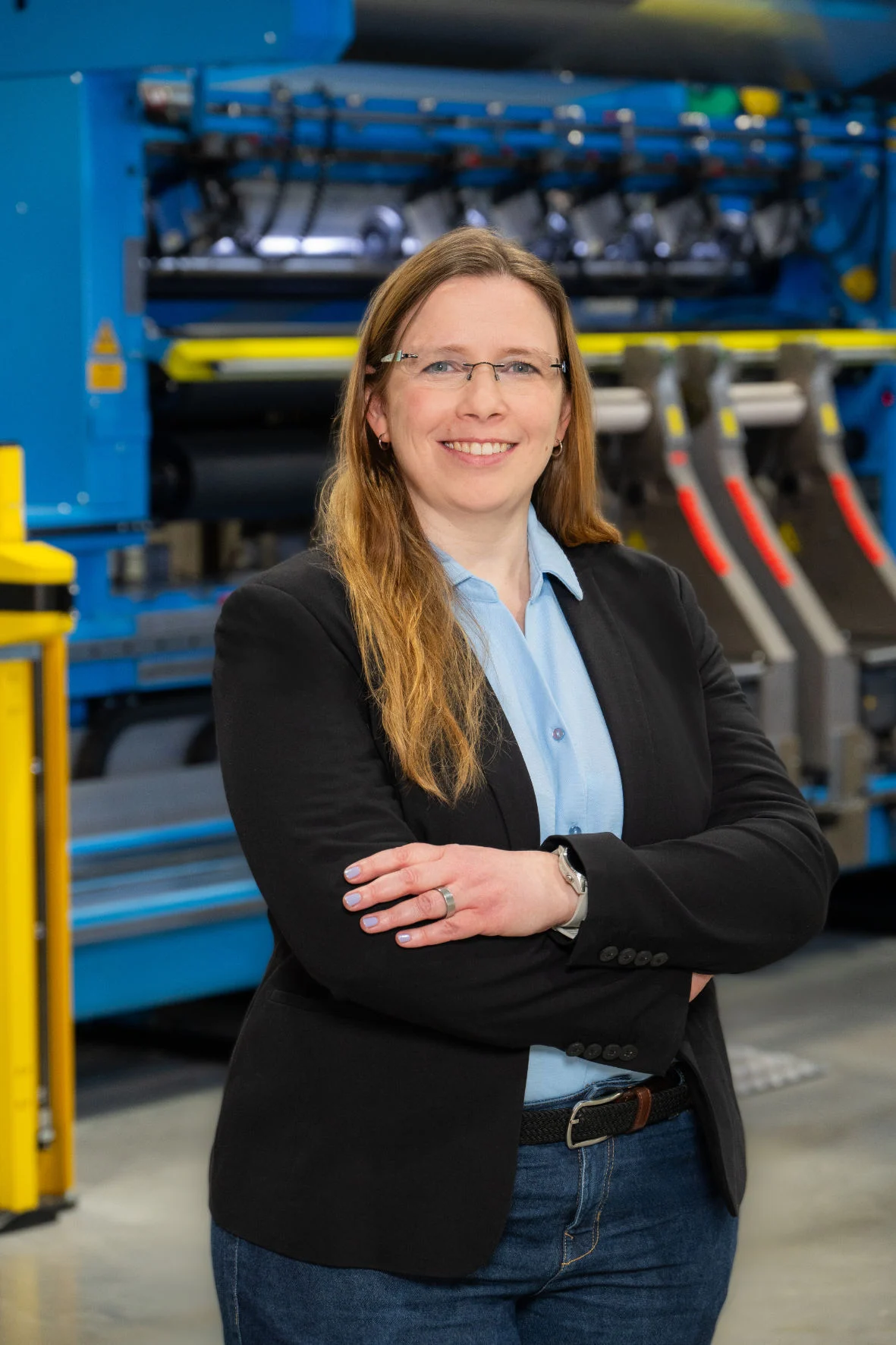
For Aerospace, these colleagues are your dedicated contacts, from the first question to series delivery.
Inquire directly
A task in aerospace? Let’s talk about it.
Describe the substrate, application and format. We will get back to you promptly.
Disclaimer: The technical data, properties and areas of application stated on this page are based on information from our suppliers and on typical empirical values. They do not constitute guaranteed specifications. Production-related deviations, further developments or changes to product properties are possible at any time. Whether a film type is actually suitable for a specific purpose must be verified on a case-by-case basis. That is exactly what the Pütz Method is for: together we clarify the requirements and provide samples for your own tests. Before placing an order, please explicitly ask us about availability and current specifications. All information is provided without guarantee.
Frequently asked questions
Good to know.
Why is polyimide used in aerospace?
Because it has no melting point: the manufacturer explicitly states "none", tested according to ASTM E-794-85. The material does not become liquid when heated and retains its strength far beyond the range in which polyester fails.
What is the difference between Kapton® and Upilex®?
Both are polyimide films, but they differ measurably in their mechanical values: Upilex® reaches a tensile strength of 508 N/mm² and a modulus of elasticity of 9,317 N/mm², while 231 N/mm² and 2.76 GPa are stated for the basic Kapton® type. Upilex® is therefore significantly stiffer; the thermal limits are documented in more detail for Kapton®.
Do you also supply small quantities?
Yes, explicitly. Small quantities and special formats are part of our offering, especially for high-priced substrates, where a minimum order would otherwise be uneconomical.
How do you document traceability?
We document the relevant characteristic values per batch and provide the manufacturer documentation for the type supplied. We clarify in advance which evidence your quality assurance requires. Documents that have to be supplied after the fact are the most common point of friction.
Are there films approved for aviation?
Approvals and fire classes are stated for each type and do not apply across a brand. We check the status of the specific type for your application; if no statement is available, we request it from the manufacturer before we deliver.