
Industry · Entwurf · Vertriebsfreigabe offen
Films for textiles, apparel and leather. Reinforcement, seam sealing and labeling.
The collar stay in a shirt, the sealed seam in a performance jacket, the hang tag on the merchandise: in apparel manufacturing, films take on many small tasks that together define product quality.
Small parts, large quantities.
The film components in apparel production are small and numerous: collar stays, reinforcing elements, label materials. Their share of the product price is small, their share of perceived quality large. A collar stay that still holds its shape after many washes and a label that stays legible pay directly into the brand.
Then there are the process applications: seam sealing tapes in performance apparel, transfer films for textile printing, release layers in the fusing process. Pütz Folien converts these materials in the formats that garment makers need, often very narrow rolls with long running lengths.
Fields of application
Applications in the Textile, Apparel and Leather Industry. With hands-on support.
The Pütz classification lists eleven fields of application for textiles, apparel and leather. Seven are described in detail here; you will find the complete list below.
Collar stays and garment reinforcements
Dimensionally stable plastic parts that keep collars and other areas in shape. What is needed is defined stiffness, clean edges without burrs and dimensional stability even after repeated washing and ironing.
Seam sealing
Tapes and films for sealing seams in performance apparel. They have to lie flat cleanly when bonded, survive wash cycles and remain flexible. A stiff seal breaks at the point of movement.
Textile marking and labeling
Label materials for care instructions and product labeling. They should stay legible after washing without being noticeable on the skin. These are two requirements that contradict each other.
Hang tags and ticketing
Materials for tags and price labeling. Tear resistance at the punched hole determines whether the tag survives the journey to the sales floor.
Sewing threads and spools
Protective films around sewing threads and spools for the sewing machine. The film wraps and protects the thread during storage, transport and handling.
Textile reinforcement and stabilizing elements
Interlinings and reinforcements that give the textile structure, from the shoulder area to the pocket edge. What is required is behavior that complements the textile properties rather than dominating them.
Shoelaces and footwear accessories
Film components in footwear, for example reinforcements and shoelace tips. Small parts, high quantities and tight tolerances in converting.
4 more fields of application in this industry
Expand for details on each field.
Apparel and garment making
Film components in apparel production: interlinings, reinforcements, process aids. Small parts in large quantities with consistent edge quality.
Apparel accessories and headwear
Dimensionally stable inserts and reinforcements for accessories and headwear. They provide shape without compromising wearing comfort.
Hosiery and textile goods
Packaging and insert materials for hosiery and textile goods. Appearance in the package and processability on the converting line.
Textile event and promotional materials
Printable materials for event and promotional items. Often small runs with fixed deadlines.
Suitable films from the Pütz portfolio
Suitable substrates for this industry. We make the selection with you.
In textile and apparel production, polyester is an option for dimensionally stable parts, polyolefins for process applications and synthetic papers for labels.
| Substrate | Typical use in this industry | |
|---|---|---|
| Hostaphan®BOPET polyester film, biaxially oriented polyethylene terephthalate | Dimensionally stable reinforcement parts and label materials | Substrate page → |
| Rigid PVCcalendered rigid PVC (polyvinyl chloride) film | Collar stays and stabilizing elements | Substrate page → |
| Yupo®PP-based synthetic paper | Tear-resistant hang tags and ticketing | Substrate page → |
| PolyethylenePE film | Release and process applications in garment making | Substrate page → |
You will find an overview of all materials under Film Types & Substrates.
Complete assignment: substrates and film types
The assignment shows which substrates are used in this industry. It does not say which one is right for your application. For almost every task, several films are options; which one fits depends on the specific requirement. The Pütz Method describes how we clarify this.
Typical challenges
What matters in this industry.
In apparel and leather production, the same questions about films come up again and again.
Wash resistance
Shape and legibility have to survive wash cycles.
Very narrow rolls and cut-to-size parts
Film tapes from a few millimeters wide with long running lengths.
High quantities
Small parts in large quantities with tight margins.
Skin contact
Parts close to the body must not irritate or chafe.
Edge quality
A burr on the cut edge is immediately noticeable in the textile.
International supply chains
Consistent quality across distributed production sites.
Why Pütz Folien
Development partner. From the first sample to series production.
Many small parts in large quantities require consistent edge quality and formats that suit garment making. You receive narrow film tapes with long running lengths, also on traverse-wound spools.
More than 65 years of experience in film converting.
For more than six decades, we have been converting and finishing films. All customers benefit, directly or indirectly, from this experience with tight tolerances and documented processes.
One portfolio for almost every requirement.
From technical specialty films to material composites and individual converting solutions: as a converter for several manufacturers, we offer a wide range of options and give neutral advice on which film suits your application.
Individual development for your application.
Every application is different. We adapt material, converting, quality requirements and services to your requirements, including small quantities and special formats. Because successful projects also depend on collaboration, we value clear contacts, fast response times and pragmatic solutions.
The Pütz Method
Together to the right film. In nine steps.
Which film is right for your application depends on your specific requirements. That is exactly what the Pütz Method is for: from the first question through samples and testing to series delivery. Folio shows how it works.
The Pütz Method in detail
-

I know what the film has to do. But which film is the right one?
1 Starting point
-
Don’t worry, Dr. Meier! That is exactly what the Pütz Method is for.
2 Getting started
-

First, we clarify all the important requirements together.
- Application
- Properties
- Material
- Dimensions
- Processes
- Quantity
- Quality
3 Clarifying requirements
-
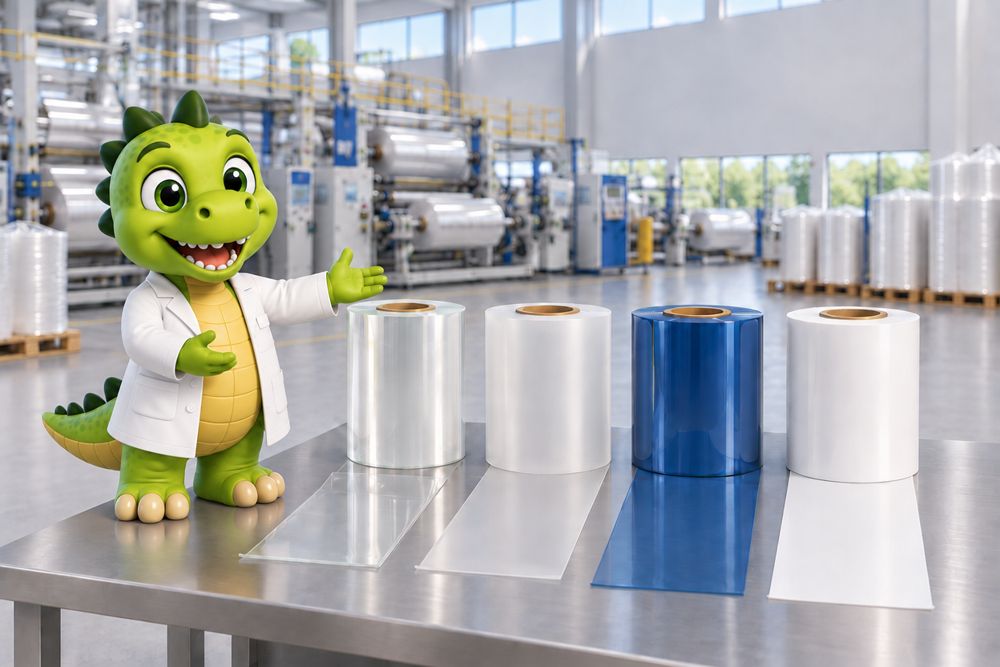
On this basis, we propose suitable film solutions to you.
4 Proposed solution
-

If needed, you receive samples, sample rolls or cut-to-size sheets to test for your application.
Samples
5 Samples
-
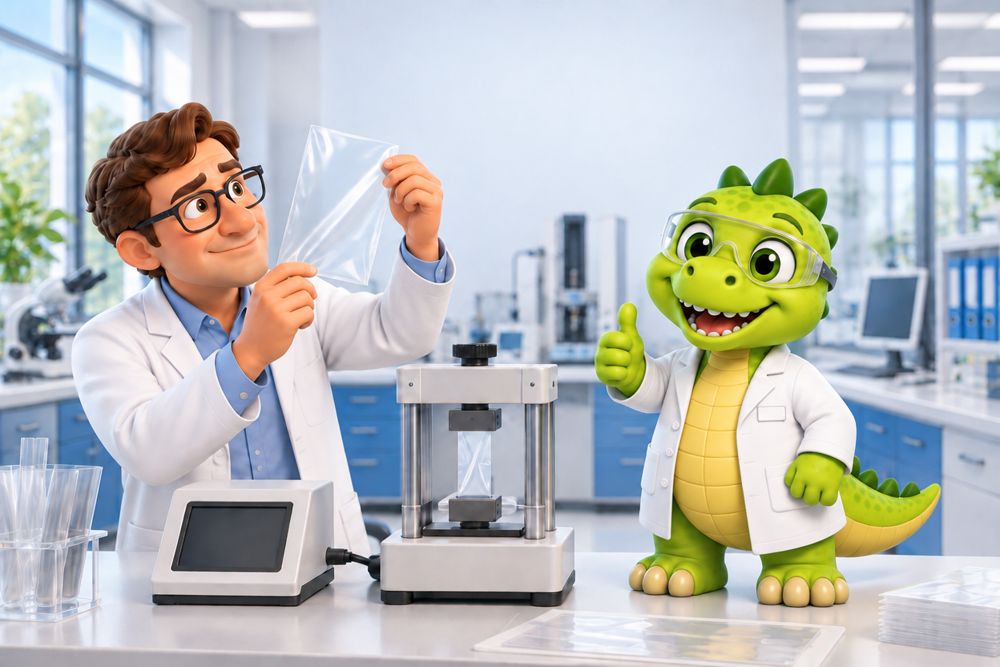
You test the film samples. We discuss the results together.
6 Testing and evaluation
-

After the successful test phase, you receive a suitable quotation. Together, we find the best solution for you.
Quotation
- Material
- Dimensions
- Quantity
- Delivery time
- Price
7 Quotation
-
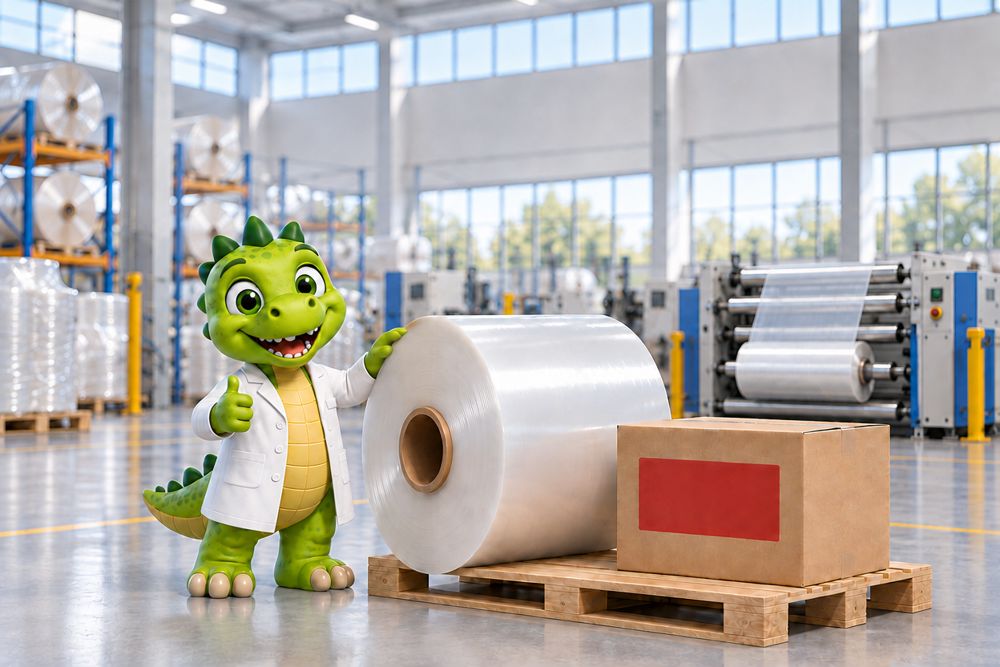
On request, we deliver a pilot quantity or pre-series for final testing under real production conditions.
Pilot quantity
8 Pilot quantity
-

After approval, we reliably deliver your series goods. And even after that, we remain your partner for further optimization.
9 Series and partnership
Your contacts
Your application. Our next step.
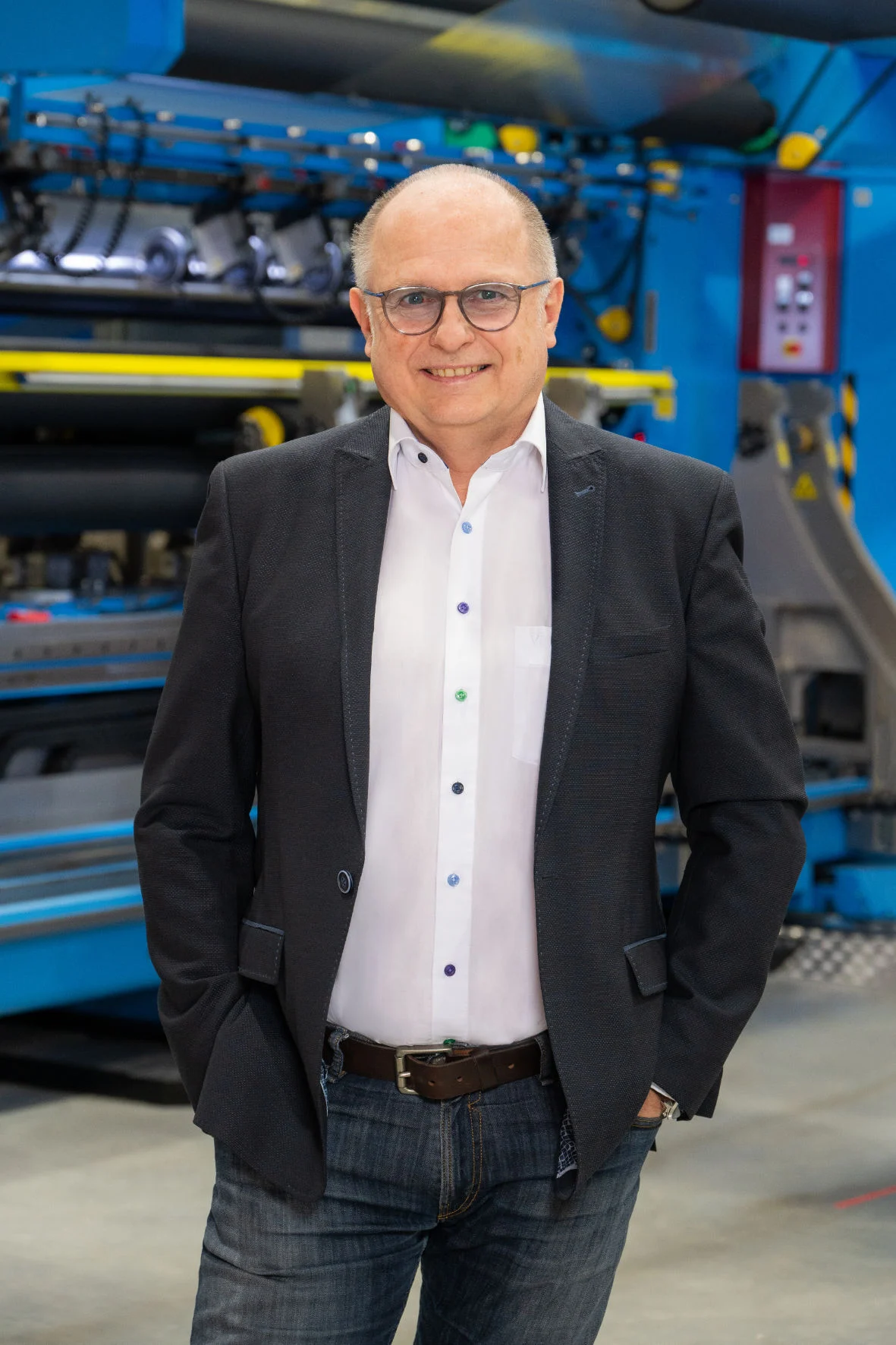
For Textiles & Apparel, this colleague is your dedicated contact, from the first question to series delivery.
Inquire directly
A task in garment making? Let’s talk about it.
Describe the substrate, application and format. We will get back to you promptly.
Disclaimer: The technical data, properties and areas of application stated on this page are based on information from our suppliers and on typical empirical values. They do not constitute guaranteed specifications. Production-related deviations, further developments or changes to product properties are possible at any time. Whether a film type is actually suitable for a specific purpose must be verified on a case-by-case basis. That is exactly what the Pütz Method is for: together we clarify the requirements and provide samples for your own tests. Before placing an order, please explicitly ask us about availability and current specifications. All information is provided without guarantee.
Frequently asked questions
Good to know.
Which films are used in apparel production?
Polyester and rigid PVC films for dimensionally stable parts such as collar stays and reinforcements, synthetic papers for labels and tags, polyolefins for process applications. Which material fits depends on dimensional stability, wash resistance and skin contact.
How narrow can you slit?
From a web width of 4 mm. For very narrow tapes with long run times, the traverse-wound spool is an option. It holds significantly more running length and reduces roll changes in garment making.
Do the materials withstand wash cycles?
That depends on the material, thickness and wash program. Dimensional stability after repeated washing and ironing is a type-specific property. Tell us the required wash program, and we will narrow down the suitable types and provide samples for your own test.
Do you supply die-cut parts?
Yes, as cut-to-size sheets or die-cut contours in small and large series. For small parts in high quantities, we clarify tooling and batch size before the first delivery.
How do you ensure consistent quality across several sites?
Through the same type from the same source and documented characteristic values per batch. When several production sites are supplied, this is the most important factor. Otherwise, a material change at one site creates differences in the end product.