Industry · Entwurf · Vertriebsfreigabe offen
Films for the construction industry. Protection and release.
In building materials production, films do two jobs: they protect surfaces until installation, and they act as release layers in the manufacturing process.
The surface arrives the way it left the plant.
A furniture panel, a window profile, an insulation element: between production and installation lie transport, interim storage and handling. That is exactly where it is decided whether the surface reaches the customer undamaged. Protective films are therefore part of product quality – provided they adhere reliably, can be removed without residue and last through the storage period.
Then there are the tasks in production itself: release layers when pressing laminates, laminating films in panel finishing, weather-resistant labeling on building elements. Pütz Folien supplies these materials in the format the equipment processes: from narrow rolls to webs in full panel width.
Fields of application
Applications in the Construction and Building Materials. With hands-on support.
The Pütz classification lists fourteen fields of application for the construction industry. Seven are described in detail here; you will find the complete list below.
Protective and cover films against soiling
Temporary surface protection for panels, profiles and building elements. The film must adhere throughout the entire storage and transport period and then release without residue, even after weeks and after exposure to heat.
Laminates and panels
Release and press plate films in panel production as well as laminating films for the surface. What is needed is uniform thickness over large areas and defined behavior under pressure and temperature.
Woodworking and surface protection
Films for wood-based panel production, from the release layer in the pressing process to the protective film on the finished surface. Decorative and transfer applications also fall into this area.
Insulation materials
Laminations and facings for insulation elements. Here, the film takes on functions the insulation material itself does not provide: moisture protection, mechanical stabilization, a printable surface for labeling.
Weather-resistant outdoor labeling
Labels and signs on building elements that withstand UV radiation, rain and temperature changes – from the plant to acceptance and beyond.
Profiles and molded parts
Protective and functional films for plastic and metal profiles. With coated or anodized surfaces, matched adhesion is what counts: firm enough for transport, removed without residue.
Protection against trickling and for building materials
Covers and release layers in building materials production, for example against trickle losses or as an interleaf for stacked goods.
6 more fields of application in this industry
Expand for details on each field.
Roofing membranes and bitumen
Release and protective layers in the production and installation of roofing membranes. The film must release from the bituminous material without leaving residue or sticking to it.
Glass and glazing
Protective films for glass and glazing elements on the way from the plant to installation. Release behavior after prolonged exposure to sunlight is critical.
Furniture and interior fit-out
Decorative, laminating and protective films in interior fit-out. The requirements correspond to those of furniture production; the dedicated industry page covers them in detail.
Sound and acoustic insulation
Facings and laminations for acoustic elements. The film must preserve the acoustic effect of the insulation material and must not cancel it out with a layer that is too dense.
Doors and wood-based materials
Surface protection and decorative films for doors and wood-based panels. With large formats, consistent quality across the full width is what counts.
Thermal and energy protection
Functional films in insulation and energy protection assemblies, for example as moisture protection or a reflective layer in the element structure.
Suitable films from the Pütz portfolio
Suitable substrates for this industry. We make the selection with you.
Polyolefins and polyesters dominate in the construction industry: the former for protection and cover tasks, the latter where dimensional stability or temperature play a role.
| Substrate | Typical use in this industry | |
|---|---|---|
| BOPPbiaxially oriented polypropylene | Protection, cover and lamination applications | Substrate page → |
| PolyethylenePE film | Covering, release layer and protection against trickling | Substrate page → |
| Hostaphan®BOPET polyester film, biaxially oriented polyethylene terephthalate | Release layers in the pressing process, dimensionally stable carrier films | Substrate page → |
| Rigid PVCrigid PVC film, polyvinyl chloride | Printable labeling and technical components | Substrate page → |
You will find an overview of all materials under Film Types & Substrates.
Complete assignment: substrates and film types
The assignment shows which substrates are used in this industry. It does not say which one is right for your application. For almost every task, several films are options; which one fits depends on the specific requirement. The Pütz Method describes how we clarify this.
Typical challenges
What matters in this industry.
Manufacturers of building materials and building elements regularly face the same questions when it comes to films.
Adhesion with an expiry date
Firm enough for weeks, then removable without residue, even after heat.
Large formats
Consistent quality across the full panel width, not just in the test strip.
Weathering
UV, moisture and temperature changes over the time until installation.
Quantities and costing
Large volumes with tight margins: trim waste has a direct impact.
Changing substrates
Coated, anodized, raw: every surface behaves differently.
Sustainability
Increasingly returning protective films to recycling streams.
Why Pütz Folien
Development partner. From the first sample to series production.
Protective and release films seem simple, but their effect is decided in the details. We match material, adhesion and format to your surface and your process and deliver in the quantities a building materials production needs.
More than 65 years of experience in film converting.
For more than six decades, we have been converting and finishing films. All customers benefit, directly or indirectly, from this experience with tight tolerances and documented processes.
One portfolio for almost every requirement.
From technical specialty films to material composites and individual converting solutions: as a converter for several manufacturers, we offer a wide range of options and give neutral advice on which film suits your application.
Individual development for your application.
Every application is different. We adapt material, converting, quality requirements and services to your requirements, including small quantities and special formats. Because successful projects also depend on collaboration, we value clear contacts, fast response times and pragmatic solutions.
The Pütz Method
Together to the right film. In nine steps.
Which film is right for your application depends on your specific requirements. That is exactly what the Pütz Method is for: from the first question through samples and testing to series delivery. Folio shows how it works.
The Pütz Method in detail
-

I know what the film has to do. But which film is the right one?
1 Starting point
-
Don’t worry, Dr. Meier! That is exactly what the Pütz Method is for.
2 Getting started
-
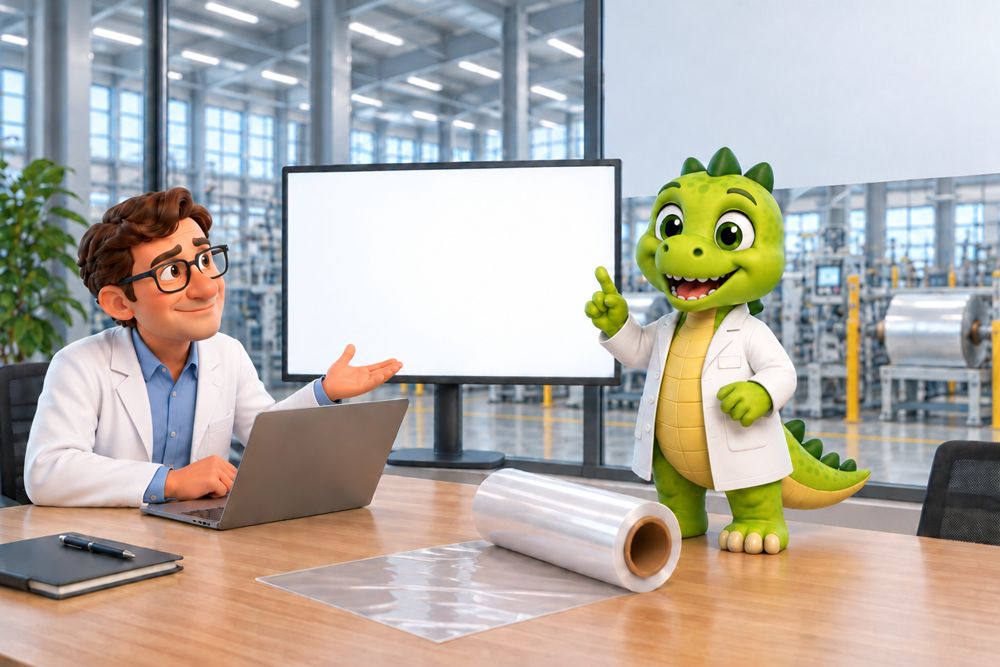
First, we clarify all the important requirements together.
- Application
- Properties
- Material
- Dimensions
- Processes
- Quantity
- Quality
3 Clarifying requirements
-
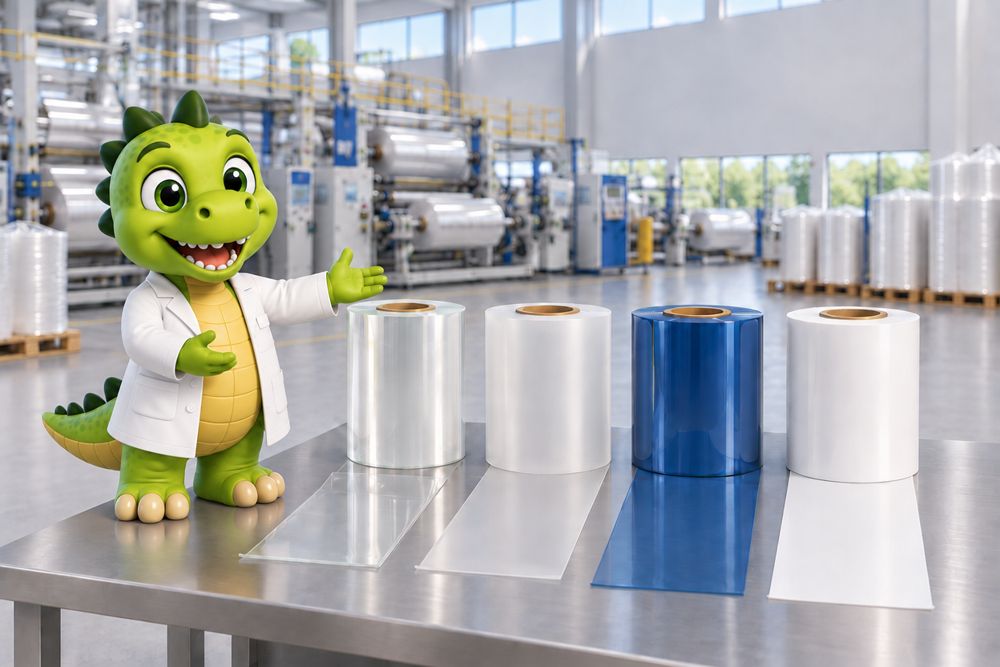
On this basis, we propose suitable film solutions to you.
4 Proposed solution
-
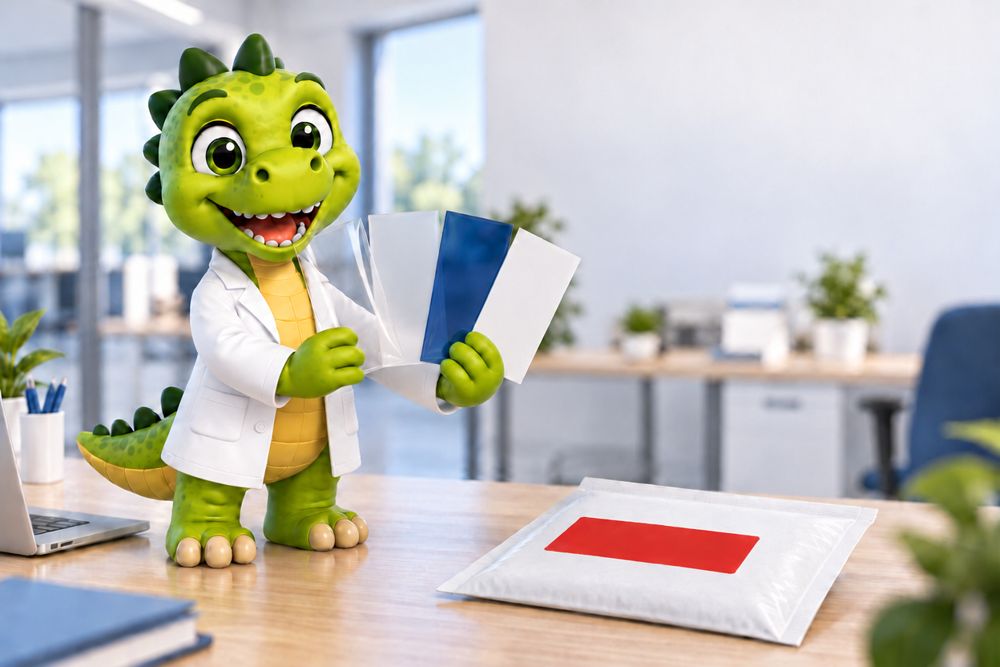
If needed, you receive samples, sample rolls or cut-to-size sheets to test for your application.
Samples
5 Samples
-
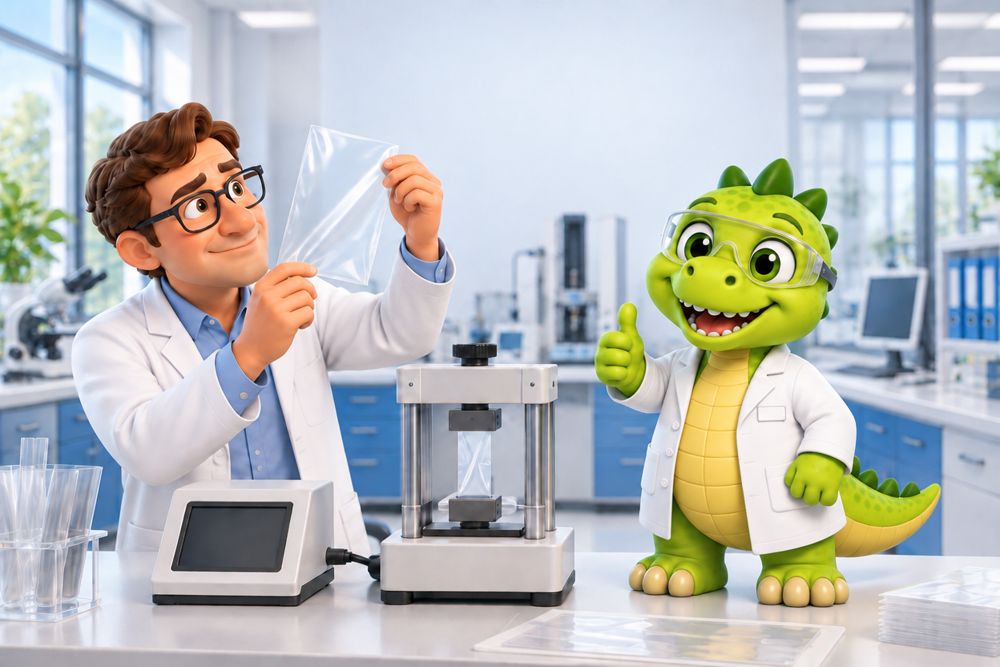
You test the film samples. We discuss the results together.
6 Testing and evaluation
-
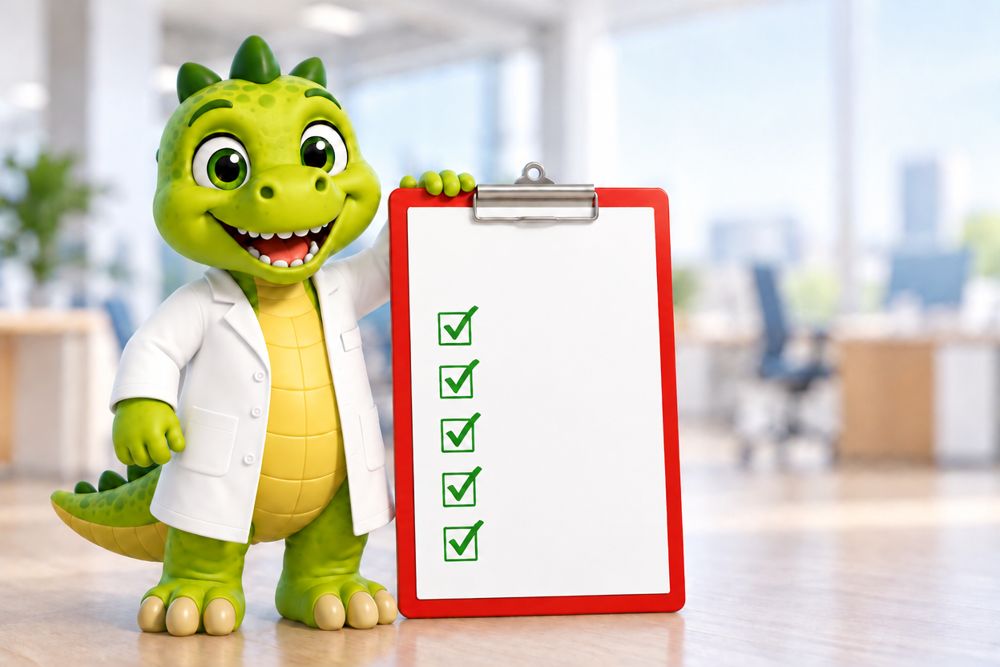
After the successful test phase, you receive a suitable quotation. Together, we find the best solution for you.
Quotation
- Material
- Dimensions
- Quantity
- Delivery time
- Price
7 Quotation
-
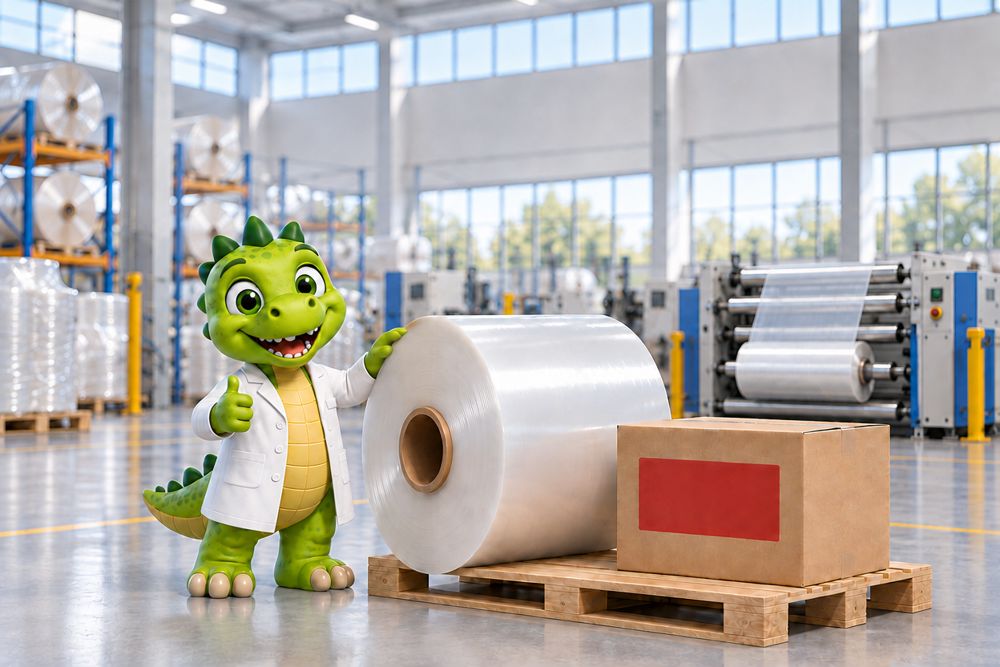
On request, we deliver a pilot quantity or pre-series for final testing under real production conditions.
Pilot quantity
8 Pilot quantity
-
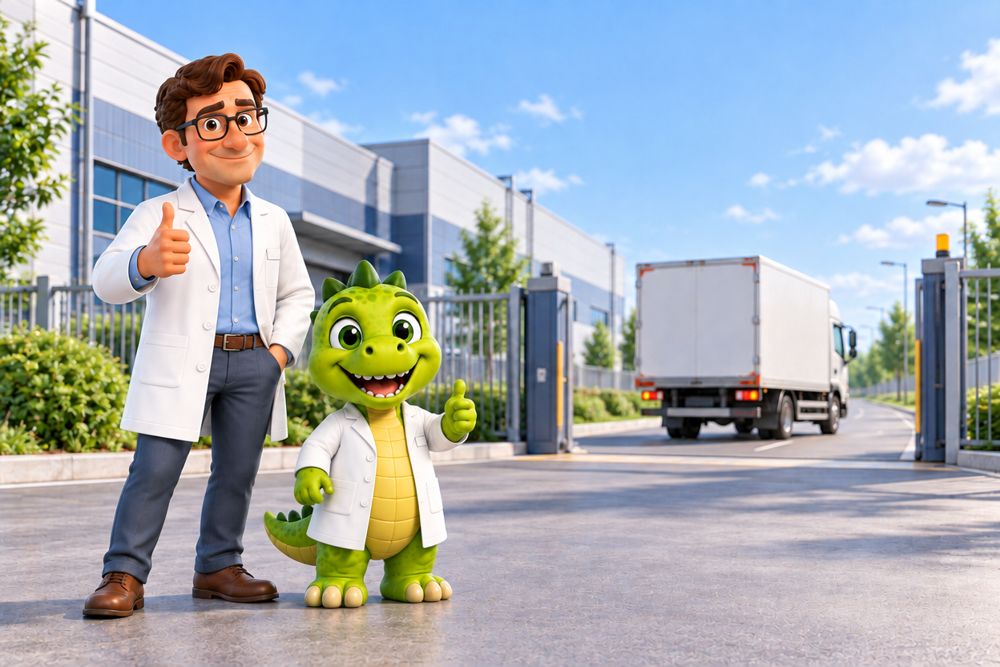
After approval, we reliably deliver your series goods. And even after that, we remain your partner for further optimization.
9 Series and partnership
Your contacts
Your application. Our next step.
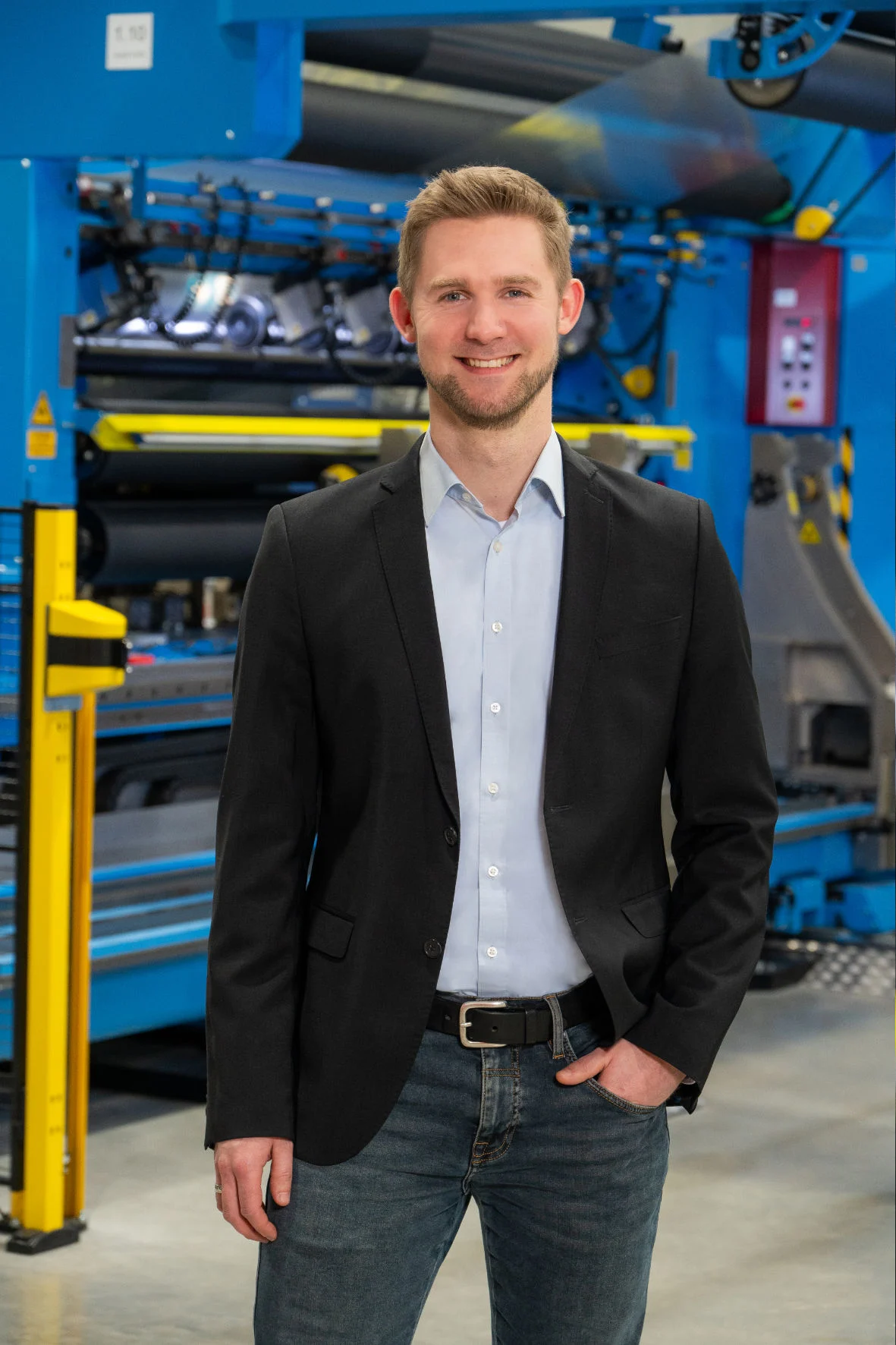
For Construction, this colleague is your dedicated contact, from the first question to series delivery.
Inquire directly
A task in building materials production? Let’s talk about it.
Describe the substrate, application and format. We will get back to you promptly.
Disclaimer: The technical data, properties and areas of application stated on this page are based on information from our suppliers and on typical empirical values. They do not constitute guaranteed specifications. Production-related deviations, further developments or changes to product properties are possible at any time. Whether a film type is actually suitable for a specific purpose must be verified on a case-by-case basis. That is exactly what the Pütz Method is for: together we clarify the requirements and provide samples for your own tests. Before placing an order, please explicitly ask us about availability and current specifications. All information is provided without guarantee.
Frequently asked questions
Good to know.
Which films are used in the construction industry?
Mainly polyolefins for protection, cover and lamination tasks, and polyester films where dimensional stability or heat resistance is required. For labeling, rigid PVC films and synthetic papers are also options.
How long does a surface protection film last?
That depends on the adhesive system, the substrate and the storage conditions. Heat and UV shorten the period significantly. Tell us the planned storage and transport time and the surface, and we will narrow down the suitable types and provide samples for a peel test.
Can the film be removed without residue?
That is the core requirement and at the same time the most common reason for complaints. What matters is the match between adhesive and substrate. Because coated, anodized and raw surfaces behave differently, we test this on your material before the first series delivery.
In which widths do you deliver?
Rolls are available in web widths from 4 to 2,500 mm, sheets with edge lengths from 19 to 1,800 mm. For special cases outside these ranges, please talk to us.
Are recyclable protective films available?
As a pure polyolefin film without foreign layers, BOPP is a 100% recyclable mono-material, and several manufacturers carry types expressly qualified for polyolefin recycling streams. Whether a specific application ends up there depends on the entire structure. Coated or printed, it behaves differently from the individual film.